
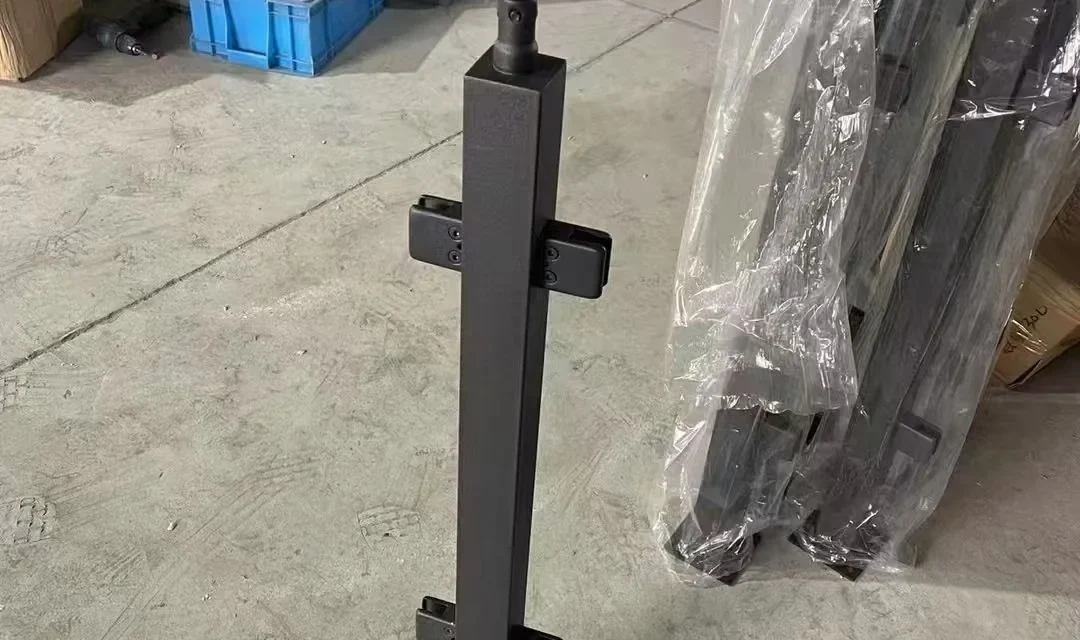
Do not add silicone sealant to a glass railing clamp simply to improve grip or compensate for an uncertain fit. Confirm whether the exact clamp system permits the proposed material, where it may contact the assembly, and which compatibility evidence is required. A glass-compatible label alone does not approve contact with every gasket, coating or glass edge, nor does it replace the specified mechanical retention detail.
Why does sealant belong in the clamp purchasing review?
A glass clamp order can be carefully matched to the glass thickness and post shape, then changed during installation by an unrecorded tube of sealant. The addition may be described as a small finishing measure even though its location brings it into contact with the gasket or another specified component. Buyers should resolve the intended use before the coordinated hardware package is approved.
This guide concerns material compatibility and purchasing responsibility. It is not a sealant application method and does not recommend a product for a particular railing. The actual clamp manufacturer’s instructions, glass supplier’s requirements and project design govern the assembly. If those documents do not address the proposed addition, obtain clarification instead of treating silence as permission.
BalusterPost manufactures stainless steel baluster posts and railing posts. Glass clamps are supplied through qualified specialist manufacturing resources. A coordinated enquiry should therefore identify the actual clamp model and relevant documentation, rather than assuming that BalusterPost manufactures the clamp or approves every possible installation material.
What is the difference between compatibility and retention?
Compatibility asks whether the proposed materials can be used together under the relevant conditions. Retention asks how the glass is secured by the approved assembly. Evidence addressing one question does not automatically answer the other. A compatible sealant does not establish that it may replace a gasket, securing pin or another required part.
Similarly, a successful visual sample does not establish the capacity of a changed railing system. Do not describe an added bead as structural reinforcement without the required design and product evidence. If the purpose is simply to close a visible gap, first establish why the gap exists and whether it is part of the intended detail.
What do primary technical sources say about contact materials?
The official scope of ASTM C1087 describes laboratory screening of structural glazing sealants in contact with accessories including gaskets, spacers and setting blocks. It evaluates changes in sealant colour and adhesion after exposure. ASTM explains that accessories producing discolouration or adhesion loss in the test may also produce those effects in use.
That method concerns structural sealant glazing, not an approval of mechanically clamped railings. The relevant purchasing lesson is that the identities of contacting materials matter. Do not transfer a structural-glazing test result to a glass clamp installation without the appropriate system-specific review, or assume that this method is a universal mandatory test for every railing.
For a railing enquiry, ask the relevant manufacturers which evidence applies to the actual contact combination. Do not claim that a curtain-wall test, a generic silicone description or an unrelated completed project certifies the proposed clamp-and-gasket arrangement.
Which materials should the contact schedule identify?
List the sealant by manufacturer and product designation, not only by colour or a broad description such as neutral silicone. Identify the clamp, gasket and any finish that the material will touch. Where the proposed location reaches a glass edge, include the glass supplier’s identification of that edge construction and any relevant restrictions.
A photograph helps explain the location, but a section is often clearer. Mark intended direct contact, nearby surfaces and the stated purpose of the material. Distinguish a seal at an adjacent architectural joint from material placed inside the clamp. Those are different proposals even if the installer intends to use the same cartridge.
| Item | Record before approval | Question to resolve |
|---|---|---|
| Clamp | Manufacturer, model and instructions | Is added sealant permitted here? |
| Gasket | Exact supplied part or approved material identity | Does the evidence cover this contact? |
| Sealant | Product designation and intended function | What does its supplier approve? |
| Glass | Construction and relevant edge details | Are there contact restrictions? |
| Finish | Actual clamp or post surface | Does the proposed use address that surface? |
| Location | Marked drawing and installation scope | Is this the arrangement being reviewed? |
Can sealant correct the wrong gasket or glass fit?
Do not use an unapproved material addition as a substitute for identifying a mismatch. Check the glass specification, gasket part and clamp model against the approved order. If the combination is incorrect or uncertain, pause that assembly and obtain the appropriate component or documented resolution.
The glass clamp gasket guide addresses the mechanical component match and replacement identity. Sealant review is a separate step: even after the correct gasket has been established, any proposed additional material still needs its own permitted-use basis.
For distributors, keep this distinction in product descriptions and customer replies. Avoid offering sealant as a universal remedy for loose fit. A support response should request the model, glass and gasket identification before suggesting any system-specific next step.
What should a supplier’s compatibility response contain?
A useful response identifies the materials and the proposed application it covers. Ask whether the conclusion depends on a particular surface, preparation requirement or limitation, and keep the relevant document with the approved detail. An isolated statement saying compatible can be difficult to interpret if the underlying sample identities are missing.
If testing is required, agree who submits representative materials, who reviews the result and what decision follows. This article does not promise a test service, turnaround time or acceptance outcome. A purchasing schedule should allow the actual responsible parties to confirm those details before the order depends on them.
If the response covers only sealant adhesion, do not expand it into approval of the clamp’s mechanical performance. If it addresses only a particular gasket formulation, do not treat it as a blanket approval of all black rubber parts. Preserve the scope of the evidence in the buying decision.
How should changes and installation handover be controlled?
Separate appearance approval from technical approval in the sample record. A buyer may accept the colour of an exposed joint while the contact-material question remains unresolved. Mark those decisions independently so that an attractive sample is not mistakenly treated as a complete release. This also makes it easier to identify the outstanding decision without repeating an already accepted visual review.
Record the approved products and locations in the installation package. If a contractor proposes a different sealant or the fitting supplier changes the gasket source, identify that change before assuming the earlier review remains valid. A commercially similar product name is not a documented assessment of the new combination.
Keep the purchase scope clear about who supplies any approved ancillary material. A quotation for glass railing clamps does not automatically include sealants or approval services. Equally, a coordinated order for stainless steel railing posts should not leave interface decisions hidden between separate supplier packages.
At handover, retain the actual product records and the final detail. If an unapproved material has already been applied, report its identity and location for technical review. Do not prescribe solvent removal or component reuse without the relevant instructions; the correct response depends on what was used and where.
Frequently asked questions
Is a sealant labelled for glass automatically suitable inside a clamp?
No. Confirm the permitted application and the exact contacting materials. A general label does not establish approval of the complete assembly.
Can a compatibility letter replace a clamp test report?
No. Each document should be used only for the question and configuration it addresses. Chemical compatibility and mechanical performance are distinct evidence scopes.
What should I send with a coordinated enquiry?
Contact Ryan Liang, Export Manager, with the post and clamp schedule, glass and gasket identification, and a marked drawing of the proposed sealant location. Identify the purpose and unresolved approval questions before requesting a coordinated quotation.




