
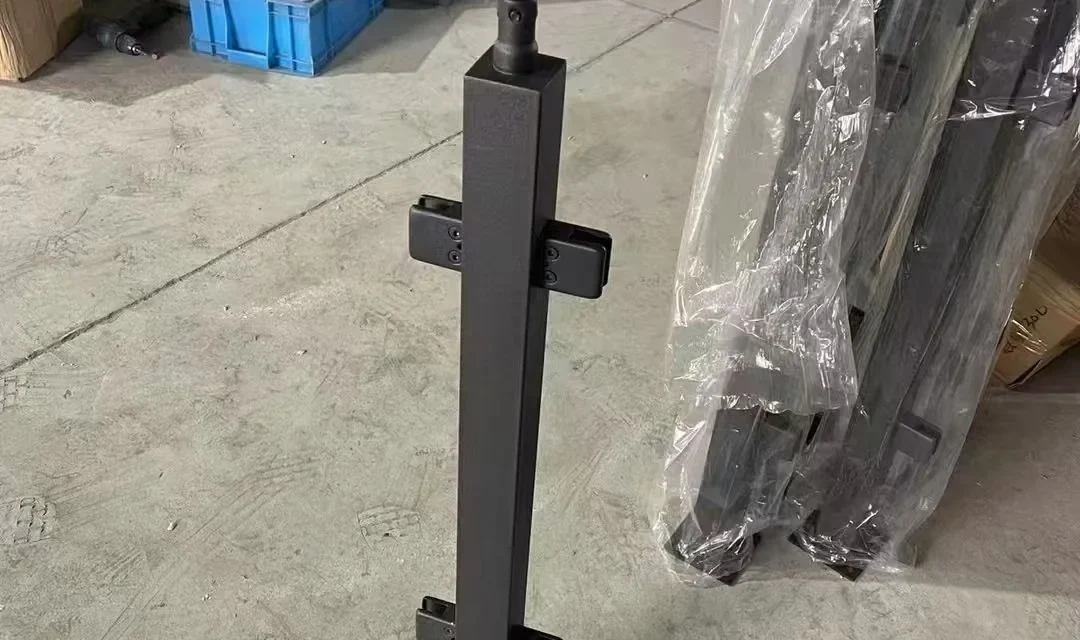
For an outdoor glass railing clamp, check that the proposed insert is approved for the exact clamp and glass build-up, then review evidence for its actual elastomer compound and expected exposure. EPDM is a material family. A generic description or a test result for another compound cannot establish the suitability or service life of the insert delivered.
Start with the insert reference
Write the clamp and insert codes, drawing revision and intended glass construction on the assembly record. Ask the supplier to identify the compound covered by the submitted evidence. If the formulation is proprietary, request a controlled compound reference and a written link to the molded insert. Avoid accepting a visually identical gasket as a replacement without that connection.
Compare test conditions alongside the result
| Evidence | Read with | Does not establish alone |
|---|---|---|
| Hardness | Test method and compound ID | Outdoor durability |
| Compression set | Time, temperature and recovery | Assembly retention |
| Aging test | Exposure and measured change | Expected service life |
| Molded insert approval | Clamp and pane references | Suitability of another compound |
The Parker guidance on reading elastomer test reports explains the different questions addressed by physical property, ageing and compression set tests. An ageing result describes a stated exposure and measured change. A compression set result describes remaining deformation after a specified compression and recovery sequence. Neither result by itself gives an outdoor warranty or a retention rating for a glass clamp.
Check that the evidence reflects the intended use
Ask the project team which exposures matter, such as outdoor heat, sunlight or a specific maintenance product. Compare these with the report’s test conditions and the supplier’s application limits. Do not use a flat test specimen to infer the fit of a molded insert. Review the actual profile, supported glass build-up and approved retention arrangement separately.
Example: two black inserts have the same dimensions
A supplier proposes a new insert that fits the clamp and has the same stated hardness. The buyer asks for the updated reference and the evidence connecting it to the outdoor exposure specification. If the part number stays the same, the supplier identifies the controlled change and applicable batches. The buyer holds the new compound for project approval before mixing it with released stock.
Keep future substitutions traceable
Record the report date, compound identifier, test methods and conditions, molded part reference and limitations. Link the decision to packing labels if the contract requires lot identification. Ask the installer or maintenance team to retain the approved insert reference so replacements are purchased against the same configuration.
Can hardness alone settle the choice?
Use hardness as one reported characteristic. Compare shape, assembly fit and the agreed material evidence against the approved clamp system before releasing the order.
Use the related procurement guide alongside the square tube glass balustrade post and B04AF glass clamp product reference. BalusterPost manufactures stainless steel posts and sources glass clamps through qualified specialist partners. Send the released drawing and relevant check records for a project quotation.




