
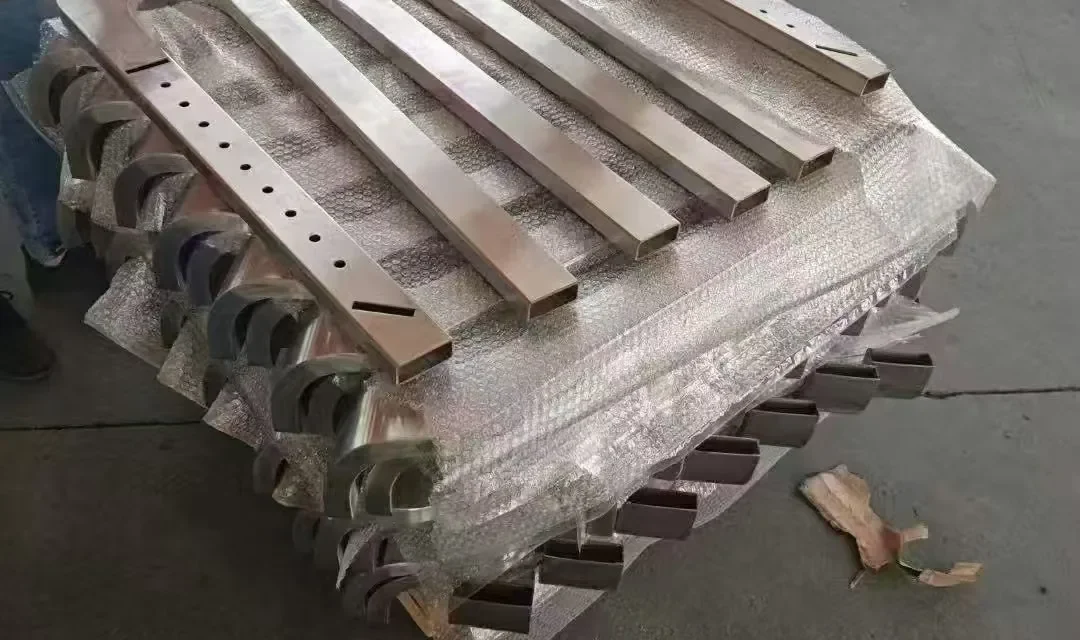
If a stainless steel railing post fastener seizes, stop work on the affected connection and record when resistance began. Preserve the fastener, mating thread information and installation instructions. A seizure can result from galling, mismatched or damaged threads, obstruction, or a screw bottoming out. Ask the responsible party to approve the investigation and disposition before replacing hardware or altering the post.
Use the symptom to guide the investigation
For this related decision, review threadlocker review for stainless railing post fasteners before releasing the affected work.
Record whether the fastener resisted immediately, ran freely until near seating, or tightened and then stuck when removal started. Note whether the joint was fully seated and whether any unusual residue or deformation was visible. These details narrow the questions for inspection. They do not establish which failure mechanism occurred.
Compare plausible explanations without changing the evidence
| Symptom | Possible question | Preserve |
|---|---|---|
| Resistance on first turns | Correct pitch, alignment and thread condition? | Labels and start condition |
| Stops short of seating | Usable depth or obstruction? | Projection and joint drawing |
| Seizure after running freely | Damage or evidence of adhesion? | Affected hardware and sequence |
| Multiple failures in one batch | Shared lot, tool or assembly condition? | Lot marks and affected positions |
Galling can occur at stainless steel contact surfaces and can lead to adhesion during sliding. The worldstainless surface treatment and galling resources points to technical background on galling and resistance. On an assembled post, an incorrect pitch or insufficient usable depth can also produce high resistance. Compare the actual parts and the drawing before assigning a cause.
Preserve the approved condition of the joint
Record the fastener code, packaging and lot, the post mark, any insert reference, tool setting and assembly sequence. Note the supplied surface condition and whether anything was applied before assembly. If the fastener remains stuck, an approved removal method should come from the party responsible for the connection. Retain the removed parts with the record if and when removal is authorized.
Example: similar screws from two kits
A crew has visually similar screws in two unmarked bins. One stops before seating in a post accessory. The quality lead identifies the bin and work area, records the affected post marks and uses labeled stock to determine which parts may be involved. A comparison of the engaged depth and thread identity comes before any assumption about the material or the need for lubricant.
Turn the finding into a purchasing action
If parts were mixed, require identifiers that remain legible at installation. If an obstruction is found, agree how to check the finished part prior to shipping. If the cause is a change in fastener finish or assembly method, review that requirement with the designer or supplier and document any revised instructions. The selected response should address the observed cause and link to the applicable assembly revision.
Can the crew add lubricant and try again?
Use the assembly procedure approved for that exact joint. A change in lubrication can affect the relationship between applied torque and clamping force. Hold the affected connection until the revised method and acceptance checks have been confirmed.
Use the related technical guide for the adjacent decision and review the square tube glass balustrade post. Send the applicable drawing and supporting records for a supply review.




