
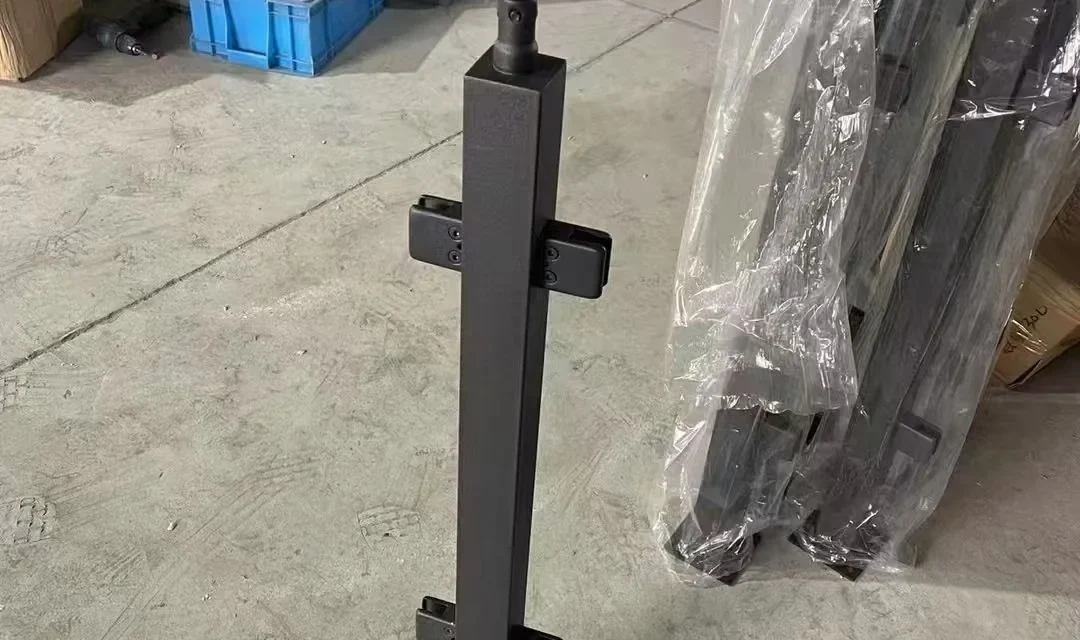
Define a glass clamp fastener order by the exact component connection, approved fastener reference and supply responsibility. Separate the clamp’s assembly screws from the fixing that connects it to a post or building support. Confirm what is included, what is supplied separately and which installation instruction governs each connection; do not assume that a photographed screw represents the complete delivered fixing package.
Why does the supply boundary matter?
For a related purchasing check, review glass clamp screw blind hole seating before releasing the affected work.
For a blind threaded insert, verify grip range and rear clearance on the actual post section before approving the hardware order.
The fixing package also needs its applicable installation documents. The glass clamp tightening instruction guide explains connection identity, units, assembly conditions and conflicting revisions without prescribing a generic torque.
A buyer may receive the correct clamp body but still lack the parts required for the approved assembly. Conversely, a supplied fastener may be inappropriate for a different support that was never included in the enquiry. The solution is a written component list tied to the actual connection, not an assumption that all fixings are included.
BalusterPost’s core manufacturing product is the stainless steel railing post. Glass clamps and related accessories are supplied through qualified specialist manufacturing partners. This guide describes purchasing controls; it does not claim that a particular screw, anchor or fastening system is available as standard.
Which fasteners should be listed separately?
Distinguish fasteners used within the clamp assembly from those used to attach the clamp to its support. Where a wall connection is involved, identify the separate support-fixing or anchor arrangement. Use the actual component supplier’s terminology and reference numbers so the buyer does not create an ambiguous alternative naming system.
For glass clamp enquiries, ask for the proposed delivered-component list. If the clamp is intended for a square stainless steel post, attach the approved post connection detail and identify any threaded or other receiving feature. The visible clamp body alone does not define the complete connection.
What fields belong in the RFQ?
| Field | Required clarification | Why it matters |
|---|---|---|
| Assembly reference | Exact clamp model and revision | Links the request to the correct component |
| Connection role | Assembly screw or support fixing | Prevents unlike fasteners being grouped together |
| Approved specification | Drawing or manufacturer reference | Avoids selection by appearance alone |
| Supply responsibility | Included, separate or by another party | Closes quotation omissions |
| Quantity basis | Per assembly and total order | Allows reconciliation before shipment |
| Instructions | Applicable document and revision | Connects installation information to supplied parts |
Where the supplier proposes a specification, obtain it in writing and have the relevant connection approved. Do not invent thread size, engagement, grade, tightening torque or locking method to complete an RFQ form. An unresolved field should remain visibly unresolved until the responsible party supplies the required information.
How should quantities be checked?
Build the quantity from the confirmed assembly list, then reconcile it with the number of clamps and mounting configurations. Separate any agreed spare quantities. A spare allowance is a purchasing decision that should be stated; it should not conceal an uncertain number of fasteners required per assembly.
If the order contains several clamp models, keep the fastener quantities associated with each reference. A single bag marked screws can make receiving difficult when visually similar fasteners have different specifications. Agree packaging identification appropriate to the order rather than assuming individual bags or labels are standard.
What should be checked on samples?
Confirm that the sample contains the proposed production fasteners or clearly identifies any temporary substitutions. Record the component references and compare them with the quotation scope. The sample approval guide explains why the scope of approval must remain explicit.
A sample assembled on a workbench can help identify missing components or an obvious interface discrepancy. It does not establish a general installed-system capacity. Do not improvise loading or installation procedures to compensate for missing manufacturer or project evidence.
What happens if a fastener is substituted?
Record the proposed replacement reference, reason for change and affected assemblies. Obtain confirmation from the responsible component supplier and project decision-maker before release. Similar dimensions or the word stainless are not enough to establish equivalence.
Update the delivered-component list and applicable instructions when a substitution is accepted. Retain the original and revised records so a future replacement enquiry can identify which version was actually supplied. A verbal acceptance that never reaches the packing list leaves the next receiving team with the same uncertainty.
Which documents belong with the shipment?
Include the agreed packing identification and references to the applicable installation instructions. Identify any separately supplied fixing and the party responsible for it. Where the purchase requires material or inspection evidence, connect that evidence to the relevant supplied component without overstating what it proves.
Keep unresolved installation parameters out of informal packing notes. A handwritten torque or an unreferenced sketch should not become the controlling instruction merely because it travels inside the carton. Resolve the instruction source before release.
Buyer FAQ
Does a clamp quotation normally include every fixing?
Do not assume so. Ask the supplier to list included and excluded items for the actual model and support arrangement.
Can a local installer source a missing fastener?
Only against the approved specification and responsibility arrangement. Local availability does not establish suitability for the component connection.
Should the order specify a tightening torque?
Identify the applicable manufacturer or project instruction. Do not choose a generic value merely because the fastener diameter appears familiar.
What is the most useful enquiry attachment?
Provide the clamp-to-support detail and proposed component list, with quantities and clear supply boundaries. Ask Ryan Liang to coordinate confirmation with the relevant specialist partner before the order is finalized.




