
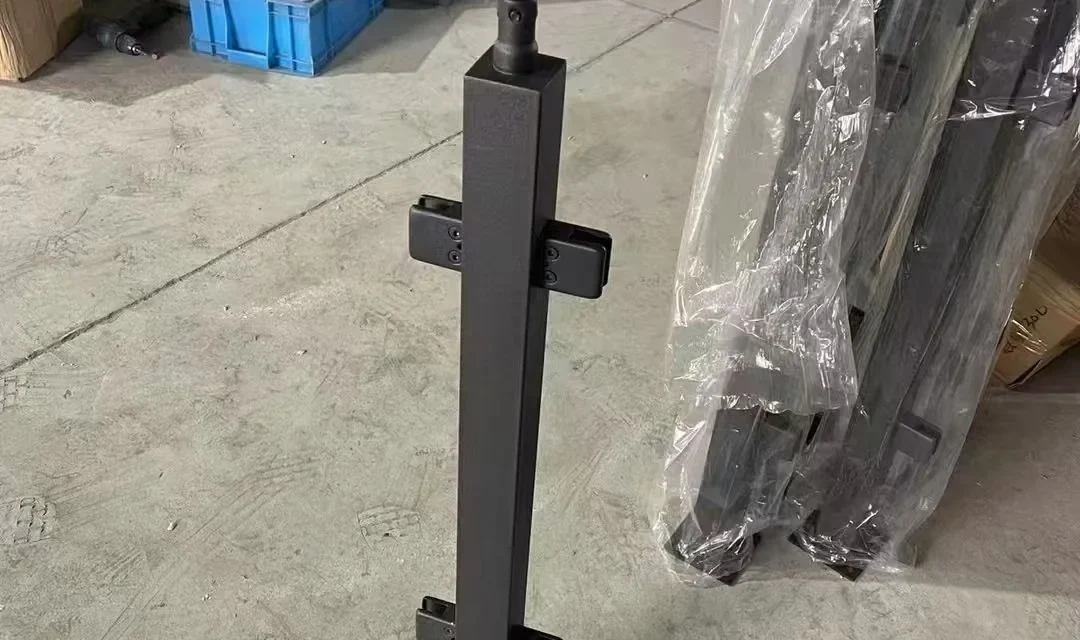
Approve a glass-clamp sample against a written requirement covering the clamp identity, post interface, glass specification, included parts, finish and required evidence. Record exactly what the approval covers before ordering the batch. A good-looking sample or a successful workshop fit does not by itself approve the performance of an installed glass railing or establish that future deliveries will use the same configuration.
What question should a procurement sample answer?
A useful sample resolves a defined purchasing uncertainty. The buyer may need to confirm appearance beside a post, inspect supplied parts, review a mounting interface or compare the offered configuration with an approved drawing. State that purpose before asking for a sample so the supplier sends the relevant assembly and documents.
A catalogue display piece may be suitable for an initial discussion but may not represent the exact ordered grade, finish or gasket combination. Ask whether the offered sample represents the intended supply specification and which details remain provisional. Keep those qualifications with the sample rather than losing them when it reaches the project team.
BalusterPost manufactures stainless steel baluster posts and railing posts. Glass clamps are supplied through qualified specialist manufacturing partners. Ryan Liang, Export Manager, coordinates business from Taizhou, Jiangsu, China. Sample approval should preserve that distinction and identify the actual offered clamp reference without implying BalusterPost owns the clamp factory.
What information should accompany the sample request?
Provide the intended application, destination, approved post interface and glass specification. Identify the finish reference and whether the sample will be checked alone or alongside other visible parts. Include quantities for the intended order so the quotation and the sample review relate to the same purchasing requirement.
Define the supply boundary. Ask whether the sample includes gaskets, fasteners and any support features required for the selected assembly. Do not assume every loose item in a sample box will be included with every production clamp. Conversely, missing sample accessories should not be silently treated as unnecessary if the final assembly requires them.
The glass-clamp range can help identify the product family for enquiry. A category photograph is not a complete specification. Confirm the exact offered product and its intended use before developing acceptance criteria around it.
How do you keep the sample identifiable?
Assign a sample reference and record the supplier’s part number, date received and associated drawing or data-sheet revision. Photograph the sample and its packaging identification. Record any deviations from the intended order, such as an unconfirmed finish or a provisional gasket, so later reviewers do not mistake those features for approved requirements.
When several alternatives arrive together, label and review each separately. A buyer can accidentally approve the finish of one sample and the geometry of another without specifying the final combination. The approval record should identify the exact configuration being accepted and any changes still required before production.
Agree whether the buyer and supplier will each retain a reference. If only one physical sample exists, document how both parties will use the acceptance record. A later replacement reference should have its own identity and approval history instead of silently taking the place of the original.
Which sample checks belong in the approval record?
| Check | Record the basis | Limit of the result |
|---|---|---|
| Configuration | Body, mounting face and supplied component references | Does not prove every future delivery is identical |
| Dimensional interface | Approved drawing, datum and measurement method | Does not establish installed-system capacity |
| Glass compatibility | Specified glass and confirmed gasket combination | A workshop fit is not full performance validation |
| Appearance | Physical reference and agreed viewing conditions | Photographs alone do not control colour and texture |
| Documents | Scope and identity of required supplier evidence | A generic certificate may not cover the offered item |
These are suggested purchasing checks. The project requirements determine which tests or approvals are necessary and who is qualified to perform them. Do not improvise a load test or assign a capacity from a hand-tightened sample. Ask the responsible designer and component supplier for the applicable technical basis.
For a sample intended to mate with square stainless steel railing posts, identify the actual mounting face and connection detail. A clamp that sits against a flat surface in a photograph may still differ from the required fastening or glass interface.
How should material and finish be reviewed?
Keep the declared material grade, finish specification and evidence requirements explicit. Do not determine grade from shine, weight or a catalogue label alone. Where verification is required, agree the method and how the result will be linked to the offered product and later deliveries.
The British Stainless Steel Association’s external-application guidance considers environment, surface finish, design and maintenance. This is a reason to include the intended exposure in the enquiry, rather than choosing a stainless grade only because the sample looks attractive.
Compare the sample with adjacent visible hardware under the agreed conditions. If the clamp and post come from different production resources, identify who coordinates appearance approval. Record any accepted visual difference. The approval should not become an unsupported claim that separate suppliers always produce identical shades or textures.
What does “approved with comments” mean?
It is useful only if the comments identify the remaining action and release authority. State whether production is permitted, whether another sample is required and which document records the final configuration. An ambiguous approval can lead one team to begin purchasing while another still expects a revised sample.
Separate observations from requirements. “The sample feels heavy” is an observation; it does not define a material, dimension or acceptance criterion. Replace informal comments with the relevant measurable or documented requirement where one is needed. If no criterion has been agreed, identify the issue for review rather than inventing a limit during inspection.
For a rejected sample, record the actual reason and the evidence. Keep the rejected reference identifiable until the replacement has been reviewed. Otherwise, the wrong piece can re-enter the approval discussion and create confusion about which version the buyer accepted.
How does sample approval carry into a production order?
Reference the approved sample and technical package in the purchase order. List the exact clamp assembly, included parts, material, finish and required records. Define how proposed substitutions will be handled. A sample approval does not authorize a different gasket, fastener or body configuration simply because the supplier considers it similar.
Agree the batch inspection and identification requirements separately. The coordinated post-and-clamp sourcing guide discusses how to make responsibility visible when multiple manufacturing resources are involved. One coordinated quotation should still show which evidence belongs to the post and which belongs to the clamp.
At receipt, compare delivery identification with the approved references and the packing list. Record the extent of inspection and any discrepancy. A retained sample is useful for comparison, but it cannot replace the order documents or prove the identity of an unmarked batch.
Glass-clamp sample approval FAQ
Does accepting a sample approve the completed railing?
No. State the features covered by the purchasing approval. The installed guard still needs the applicable design, component evidence and installation review.
Can a supplier change a component after sample approval?
A proposed change should follow the agreed approval process. Review its effect on the interfaces and requirements before accepting it as an equivalent.
What is the most useful first enquiry?
Send Ryan Liang the intended clamp application and interface information, the glass specification, finish requirement and the question the sample must resolve. That creates a reviewable request instead of an open-ended request for “some good clamps.”
What changes if privacy film is proposed for clamped glass?
Treat an applied privacy film as a change to the proposed glass assembly. Record the film product, glass construction and external surface receiving the film. Ask the film manufacturer and project glass reviewer to assess the intended exposure and construction before approving an architectural mock-up.
Pilkington’s guidance on field-applied plastic films and coatings explains that applied films can in some circumstances contribute to glass breakage and calls for assessment of thermal stress and breakage risk. That guidance illustrates the need for product-specific glass and exposure review. It does not establish that a window film is suitable for a particular guard or clamp interface.
Overlay the film layout with the actual clamp insert contact areas. Ask whether an insert would bear on film, an adhesive layer or a film edge, and obtain the hardware supplier’s accepted interface detail. Record any required clear zone and edge treatment from the actual suppliers rather than adopting a universal setback.
For example, a client requests an opaque band after approving an unfilmed clamped panel. The sample record should reopen the film, glass and clamp-interface questions together. Removing and reinstalling clamps may also require an installation plan and renewed inspection. Keep the original approved configuration and the revised detail connected by a change record.
| Review item | Record to retain | Decision |
|---|---|---|
| Film | Product and intended surface | Review exposure and glass applicability |
| Contact | Insert footprint and film boundary | Resolve bearing interface |
| Installation | Accepted sequence and inspection | Release the changed assembly |
Primary technical reference: Read the source document and its stated scope




