
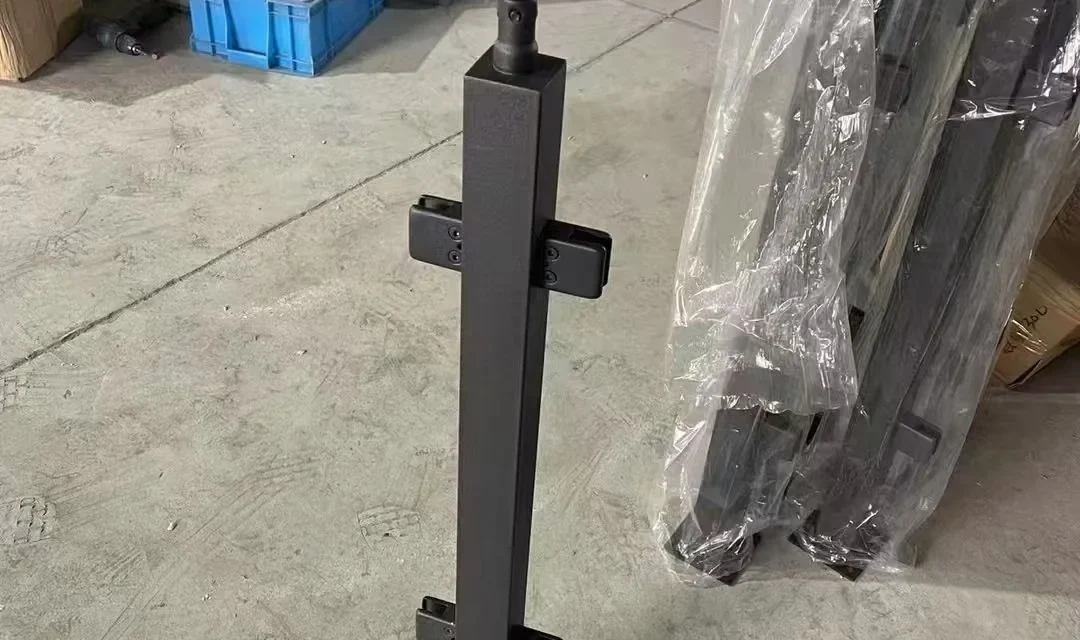
A change from monolithic to laminated glass in a post and clamp railing needs a fresh review even if the total thickness looks similar. Confirm the exact glass build-up, approved clamp and insert combination, retention details and revised glass drawing before releasing either order. A replacement insert can change physical fit, but it does not approve the new glass construction.
Treat the new pane as a change to the assembly
For this related purchasing decision, see how to compare heat treatment when two glass quotes look the same.
When the approved laminate has open edges, review exposed laminated edges alongside the clamp contact and intended weather exposure.
Write out both the existing and proposed build-ups, including the plies, interlayer, total thickness range and edge finish. Keep the original designation visible on the change record. A thickness on its own does not say whether the glass is monolithic or laminated, what the plies are, or whether the old system evidence still applies.
Route each decision to the right owner
| Review item | Compare before and after | Owner to confirm |
|---|---|---|
| Pane construction | Plies, interlayer, overall thickness and edge | Glass fabricator and designer |
| Clamp and insert | Exact product and insert references | Clamp supplier |
| Retention detail | How the revised pane is retained | System designer and hardware supplier |
| Approval | Scope of documents and released marks | Project approver |
The Bohle clamp application notes distinguish glass types, matching inserts and additional retention requirements for their products. This is a manufacturer example of why the check is configuration specific. It is not evidence for a BalusterPost model or a universal rule for all systems.
Update the drawing before cutting glass
Show the visible edge, the clamp contact region and the full outline of any holes or cut-outs in the released fabrication detail. Ask the glass fabricator to confirm the required edge finish and permissible offset between plies for this application. Review any proposed change to the retention detail with the responsible designer and clamp supplier before the pane order is released.
Example: the rubber insert appears to fit
A distributor proposes a laminate of nearly the same nominal thickness. The sample fits inside the clamp body but the documents for the original installation list a different glass construction. Record that the sample confirms only a physical observation. Ask for the applicable evidence and revised retention detail, and place the pane order on hold until the revised assembly is accepted.
Put the approved construction on both orders
Give the glass and hardware suppliers the same assembly revision. Record glass construction and the clamp, insert and retention references in their respective lines. For mixed orders, separate the pane marks so a glass build-up accepted in one run is not substituted into another.
Does the new pane need a different clamp?
Possibly. Ask the supplier and designer to review the exact assembly. A shared product family name or a clamp that closes around a sample is not enough to make that decision.
See the related technical guide and the square stainless steel post product page alongside the B04AF clamp product reference. BalusterPost manufactures stainless steel posts and coordinates clamp supply through qualified specialist partners. Use the project enquiry page to send the applicable assembly drawing and outstanding decisions.




