
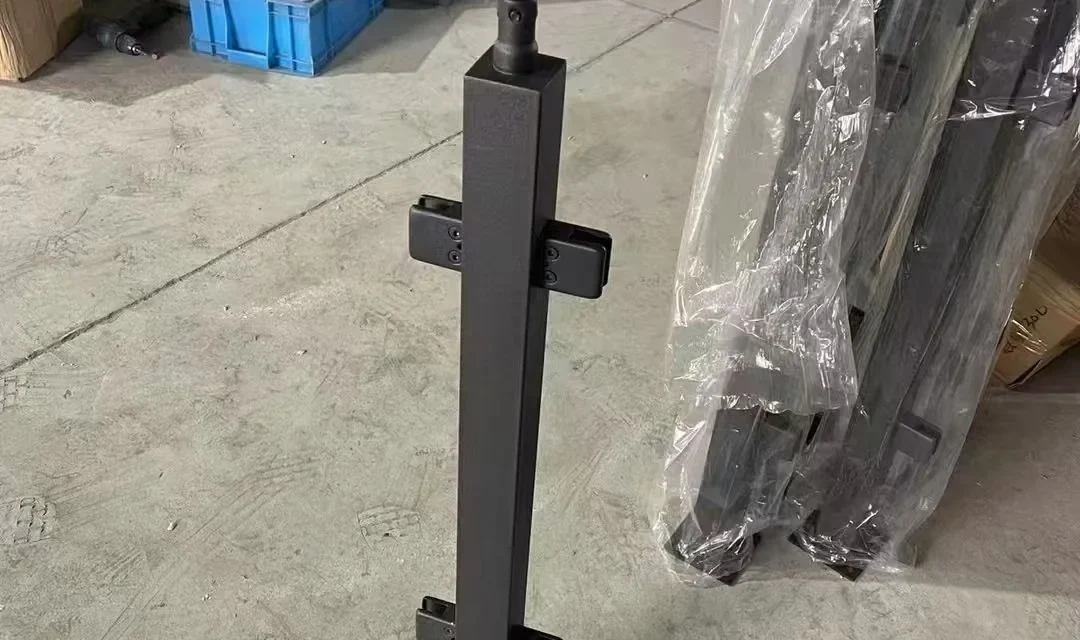
For a post and clamp railing with exposed laminated glass edges, identify the exact laminate and agree the finished edge appearance before ordering. Review each exposed edge in its intended environment and check how the clamps meet the pane. A face sample cannot establish the alignment between plies, the look of the interlayer line, or suitability for outdoor exposure.
Map the exposed perimeter
Mark the top, free ends and the portions beside clamp jaws on the pane drawing. State where water can reach the edge, where it drains and which sides are normally visible. A top edge exposed to rain and a lower edge partly covered by hardware may require different reviews. Show the actual edge and fitting geometry on the assembly drawing.
Request evidence for the glass being offered
| Item | Review | Retain |
|---|---|---|
| Exposed perimeter | Where does weather reach? | Marked pane drawing |
| Laminate | Plies and interlayer | Fabrication schedule |
| Visible edge | Ply alignment and interlayer line | Accepted edge sample |
| Clamp contact | Fit at released position | Trial record |
The Kuraray interlayer manufacturer overview describes multiple interlayer options and discusses durability testing for specific products. Ask the fabricator for documentation on the actual interlayer and application, including where edges stay open. Retain the product reference and the conditions considered in the review. Evidence for a different build-up should be evaluated by the project team before it is relied on.
Review the cross section and the assembled sample
Compare the offset between plies, the finish on each ply and the visible line of the interlayer. View the sample from the intended sides. Where practical, use the specified insert and clamp on a representative sample to see how the hardware sits against the assembly. Mark which parts of the sample represent free edges and which demonstrate the clamp interface.
Example: the face sample matches but the edge differs
An architect accepts a clear face sample. The trial bay shows a more visible line at the top edge, and part of a free edge is close to a clamp. The buyer requests a side view and the laminate designation, then compares the fabricated edge with an agreed reference. The team records the open appearance and hardware questions separately so a visible difference does not trigger an unsupported hardware change.
Carry the approval to fabrication and receiving
Record the sample ID, laminate build-up, exposed edge marks, appearance requirements and relevant documentation for the environment. Use the released pane drawing when applying the sample approval to mirrored or differently oriented bays. At receiving, compare the actual edge visible from the designated sides. Record differences with the pane identity and location.
Can edge approval establish clamp suitability?
Obtain project approval for support and retention using the exact hardware and glass configuration. Record a separate approval for the visible edge and check the contact zone on the released assembly detail.
See the related technical guide and the square tube glass balustrade post and B04AF glass clamp product reference. BalusterPost manufactures stainless steel posts and sources glass clamps through qualified specialist partners. Send the drawing and project requirements for a quotation.




