
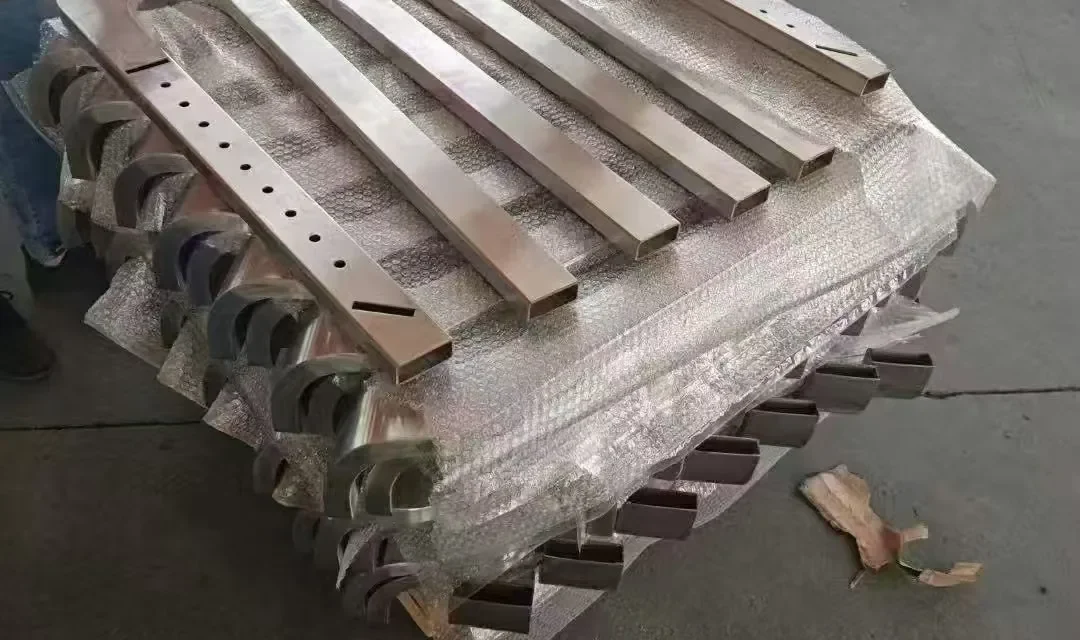
For a hollow stainless steel railing post, identify which fabrication welds expose an internal root and agree how those surfaces will be reviewed before access is closed. Specify the inspection stage, evidence and acceptance basis with the fabricator. The required backing protection and inspection method follow the joint design and welding procedure for the actual post.
Locate the surfaces that will become inaccessible
Ask the fabricator to mark the joint section on the approved drawing. Distinguish a mill tube seam, a fabricated butt joint and an attachment weld that does not create the same internal root condition. Identify when a cap, base plate or adapter prevents direct access. The inspection plan should describe the actual joint rather than assigning the same internal check to every weld on the assembly.
Agree backing protection with the welding specialist
TWI’s heat-tint guidance explains oxidation of stainless weld roots and the role of controlled backing protection. It provides general welding background. The welding specialist must establish the procedure and any purge conditions for the post material, joint and fabrication method. Avoid transferring pipe-welding settings to a different post joint without review.
Request the applicable procedure reference and the planned evidence before pricing special inspection. A generic statement that argon is available at the factory does not identify how the particular joint is controlled.
Put the hold point before closure
| Item | Evidence | Decision |
|---|---|---|
| Joint section | Internal surface and joint reference | Define relevant inspection |
| Sequence | Last accessible stage | Place hold point |
| Evidence | Image orientation and limits | Accept or request a revised method |
Include a drawing mark or weld reference in every image. If internal viewing equipment is proposed, ask what area it can actually see and how orientation is identified. A partial view should be labelled with its limits. Do not describe a borescope photo as evidence for surfaces outside its field of view.
Example: the cap is fitted before the inspection
An illustrative post has an internal joint that the agreed inspection plan requires the reviewer to see. The production sequence fits the upper cap first, removing the planned viewing route. Stop and ask the fabricator for a revised sequence or a technically accepted inspection route. An external polished appearance cannot supply the missing internal view. The weld finishing inspection guide remains relevant to the exposed surface.
Keep acceptance and corrective action specific
The project quality plan should identify which conditions are acceptable and who can approve remediation. If an inaccessible root condition is found, request a written disposition addressing cleaning access, joint integrity and reinspection as applicable. Avoid directing a chemical treatment into a closed cavity without a reviewed process.
For square tube balustrade posts, send joint sections, required evidence and the intended closure sequence through the drawing enquiry. This lets the manufacturing review identify feasibility before production begins.
Does every post need an internal camera inspection?
The joint design, project requirements and agreed quality plan decide the necessary inspection. Specify the scope where the review has a purpose and define a practicable way to obtain it.




