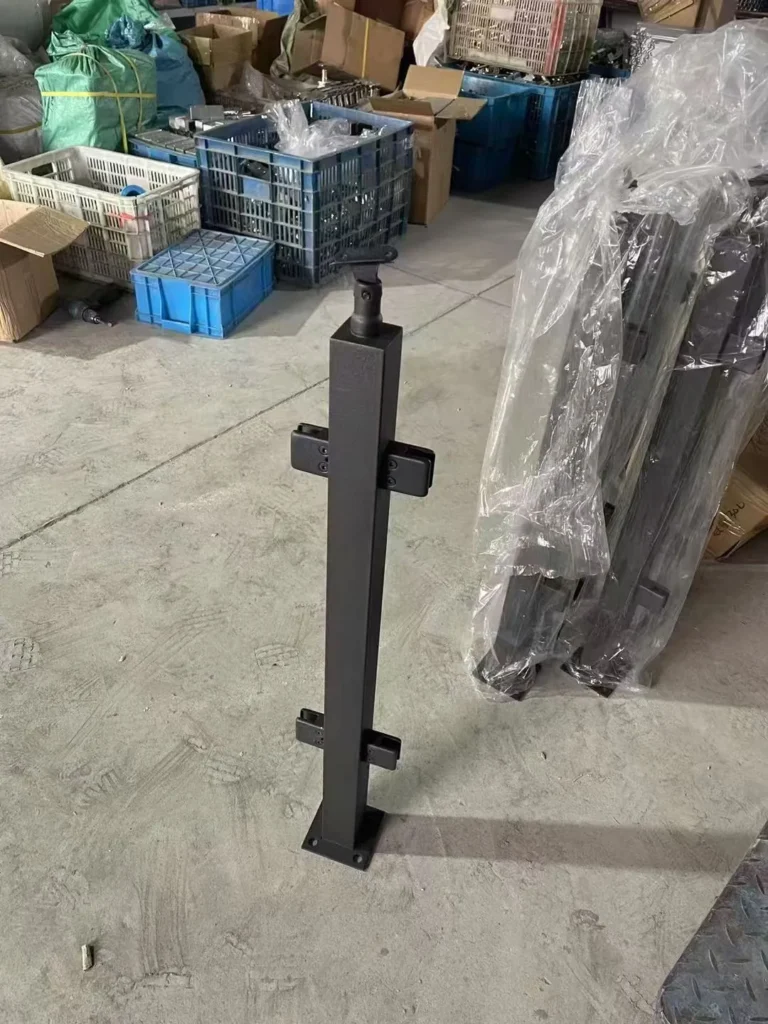
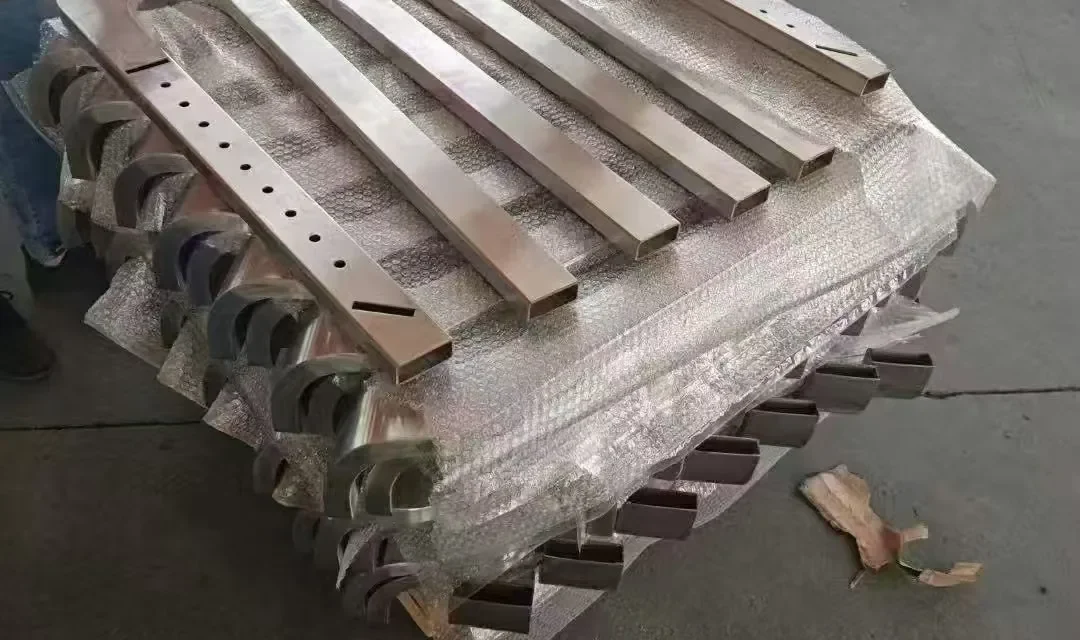
A magnet can flag an unexpected difference on a stainless steel railing post, but it cannot certify 304 or 316L. Compare like locations and document whether the response is at a formed corner, weld, base plate or separate fastener. If the grade is in doubt, hold the affected marks and resolve the question with linked material records or an agreed verification method.
Compare like features on the finished assembly
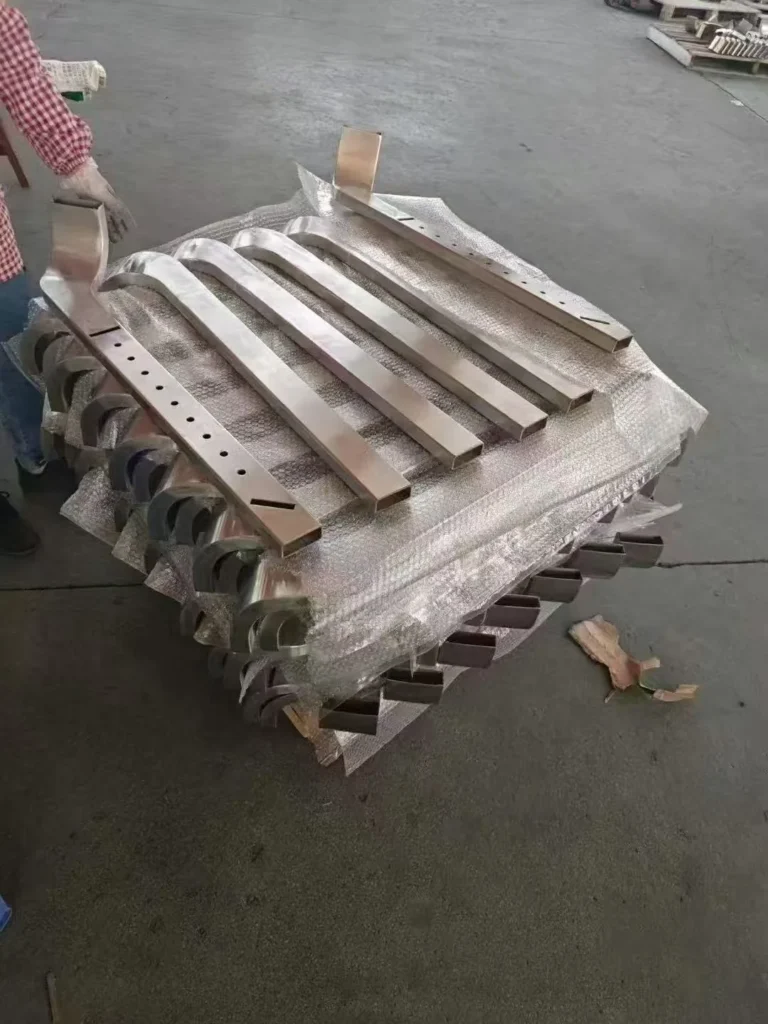
Start by identifying the tested component. A cold formed square tube corner and a flat base plate are different product forms and may respond differently. The ASSDA technical note on magnetic effects explains that cold work can change the response of austenitic stainless steels and that castings can differ from wrought products. A single response on an assembled post cannot be assigned to all its components.
Record the observation in a way another inspector can repeat
| Where it responds | What to record | Next check |
|---|---|---|
| Formed corner | Post mark and comparison with flat face | Trace tube stock and review processing |
| Weld zone | Exact position and neighboring areas | Trace base materials and weld requirements |
| Base plate | Separate plate identity and lot | Verify plate evidence separately |
| Screw or insert | Fastener or insert reference | Check the supplied part specification |
Use the same magnet and comparable contact conditions when comparing parts. Photograph the location with the part label and report the observation in plain terms. Coatings, curvature and the presence of nearby metal can make the contact condition different. Describe what you actually compared rather than recording a pass or fail for grade.
Turn the finding into a bounded hold
Match the affected post marks to their packing and material records. Where the material remains traceable, identify the relevant heat or lot for the tube, plate or separate hardware. If the link is missing, identify the range of potentially affected parts. Ask quality staff to select a verification method appropriate to the specified grade and element, rather than treating a magnet as a second certificate.
Example: a corner responds but the face does not
Two square posts show attraction at the formed corners and little response on the broad faces. Record both observations; they are consistent with a possible processing effect, but they do not prove the grade. If one plate in the same delivery also shows a distinct response and lacks its traceable mark, separate that plate or assembly for investigation. The two observations may have different explanations.
Use the actual requirement to close the issue
If the purchase order specifies material grade, document which grade evidence released the hold. If magnetic permeability is itself a project requirement, ask the specifier to define a limit, instrument, method and measurement locations before buying. Permeability acceptance and alloy identification answer different questions.
What if all the posts pass a casual magnet check?
A weak or absent attraction is not grade evidence. Keep the original inspection and material documentation requirements for every applicable component.
See the related technical guide and the square stainless steel post product page. Use the project enquiry page to send the applicable assembly drawing and outstanding decisions.