
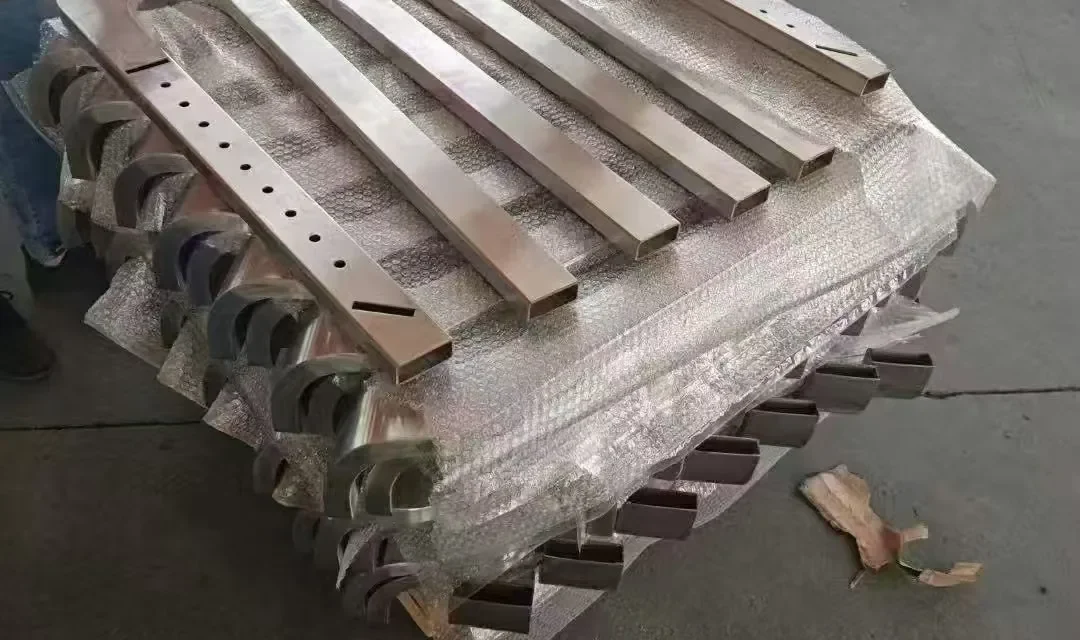
Use a recycled-content figure for a stainless steel railing post order only when its evidence scope matches the proposed claim. Check the producer, product group, reporting period and calculation basis, then establish the connection to the material purchased. If the claim covers a finished assembly, define how covers, clamps and other components enter the calculation.
Write the required claim before collecting brochures
Ask the project assessor whether the submission needs a producer average, product-group figure or order-specific evidence. Record the required reporting period and material boundary. Those requirements determine which documents are relevant and prevent a general sustainability brochure from becoming an unsupported shipment declaration.
Keep the requested field in the material schedule alongside grade and form. Recycled content does not resolve the structural, corrosion or finish requirements for the specified post.
Read producer figures within their stated boundary
Outokumpu’s sustainable stainless steel information describes recycled input within its own production. It illustrates why a producer figure has an owner and reporting scope. A buyer must obtain the relevant declaration and traceability for the actual material supply before using such a figure.
This reference does not establish that BalusterPost uses that producer’s material. Any order-specific procurement request needs confirmation of source, availability and the evidence the actual producer can provide.
Reconcile the claim to the purchased item
| Item | Evidence | Decision |
|---|---|---|
| Claim | Requested scope and method | Define acceptable evidence |
| Producer | Declaration and verification period | Check applicability |
| Order | Material mapping and assembly boundary | Approve statement or record gaps |
Ask whether the document describes a calendar average, a particular facility or a material family. Retain any verification statement with the declaration it covers. Compare publication and reporting dates so the submission does not combine an old figure with an unrelated newer verification.
Example: the project asks about the complete railing kit
A buyer receives evidence for stainless tube and wants to apply it to a kit containing posts, glass clamps and other accessories. First define the claim’s boundary. If the assessor requires a mass-based assembly figure, obtain component quantities and documented inputs within the accepted method. An unverified component should remain an evidence gap instead of inheriting the tube producer’s percentage.
Agree with the assessor how unavailable component information is handled. Keep their accepted approach with the calculation, including any limitations and which items were included.
Separate the records needed for different submissions
The EPD procurement guide describes environmental product declaration evidence. For recycled content, retain the actual claim, applicable verification, source documentation and order mapping as a separate field in the submission. A material certificate can connect a heat or product to a producer while the recycled-content basis may be reported in another document.
Send the requested claim scope and assessor instructions with an enquiry for square tube stainless railing posts through the project contact. Request confirmation before promising a particular percentage to the client.
What if only a producer average is available?
Ask whether the assessor accepts that evidence for the intended claim. If accepted, state its actual scope and period in the submission and retain the link to the purchased material.




