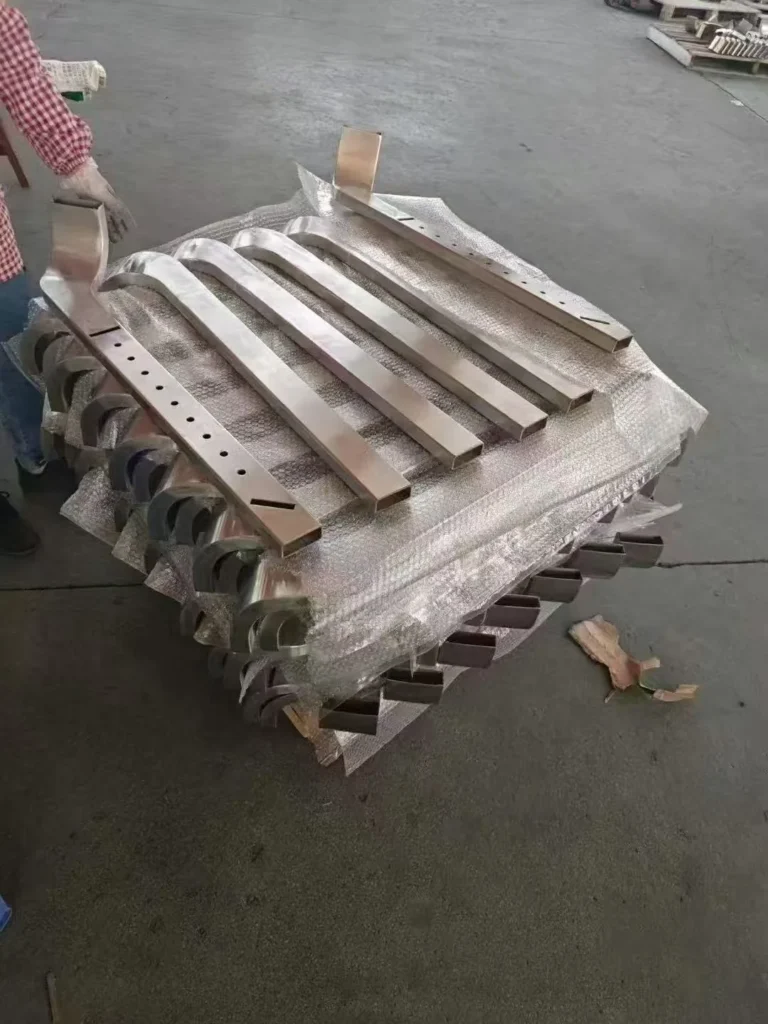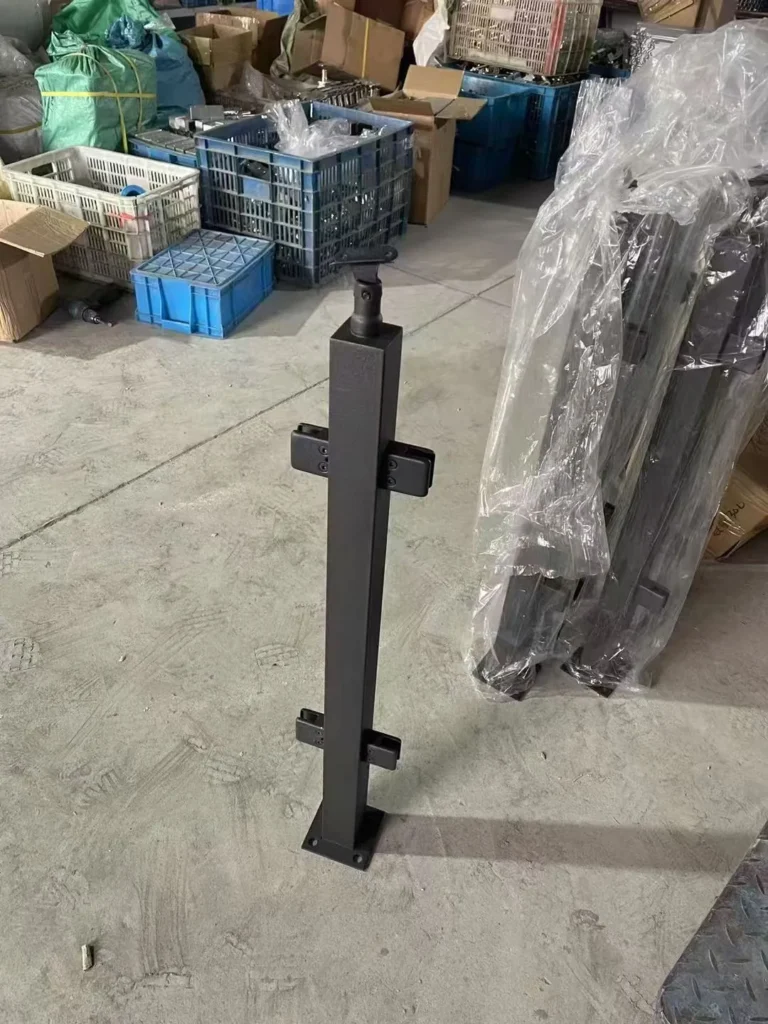
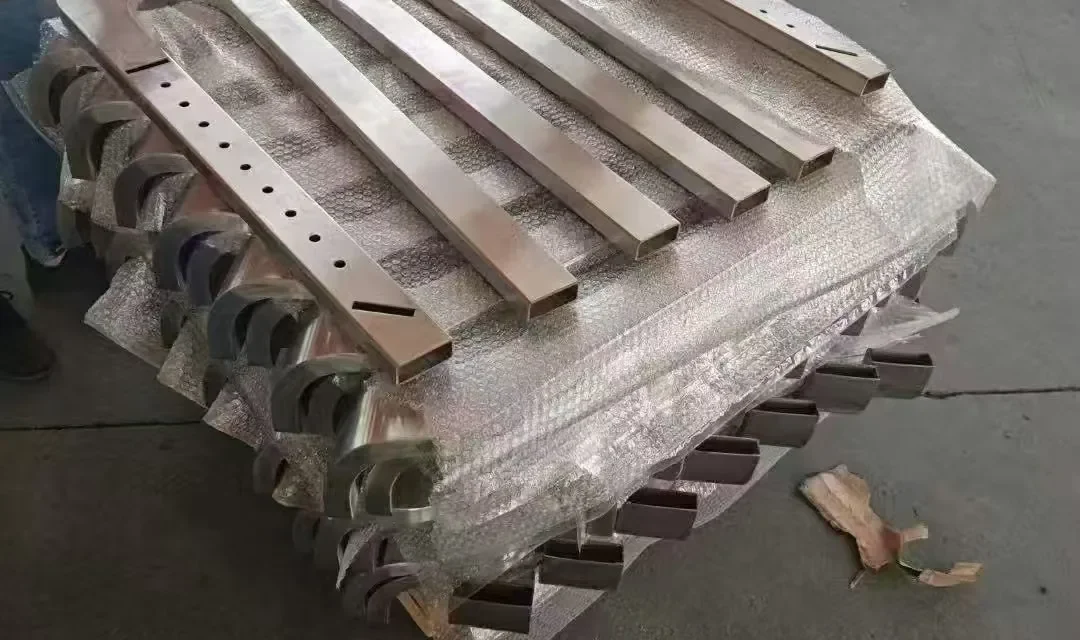
If a forwarder changes the pallet, crate or solid wood bracing for stainless steel railing posts, check the packaging that will actually cross the border. Match the final units to photos and have the importer confirm what the destination requires. A packing record made before consolidating the load cannot identify replacement wood or additional bracing.
Treat repacking as a change to the shipment
When the post supplier hands over the crates, the packing list may describe ten crates on ten skids. A consolidation warehouse may group cartons on export pallets, add timber blocks to stop movement inside the container, or repair a damaged crate. The product can remain identical while the wood packaging changes. Tell the forwarder which changes need a fresh packing record before they occur.
Specify the bracing that protects the components with the railing post packing guide. Use the additional checks here when someone alters that packaging after it has been photographed or approved.
Identify regulated articles in the final load
The International Plant Protection Convention’s ISPM 15 standard covers eligible raw wood packaging and dunnage in international trade and defines exclusions such as packaging manufactured wholly from qualifying processed wood. The decisive word for a buyer is wholly: plywood sides do not describe the material in a skid, cleat or block. Ask for the construction of each part of the packaging system and give that information to the importer or broker.
The destination authority determines local implementation and inspections. A photograph helps identify the unit; it does not authenticate a mark or give customs clearance. Agree who will investigate incomplete marks or mixed materials before the cargo is booked.
Set a photo and release schedule
| Change | Record before release | Decision owner |
|---|---|---|
| Replacement pallet | New unit reference, final photos and required mark evidence | Forwarder and importer |
| Added solid wood bracing | Material and location; evidence where required | Loading supervisor and importer |
| Repaired crate or skid | Repair detail and applicable compliance disposition | Packaging provider and importer |
Ask for a wide photo that shows the crate number and the wood component in context, then a close photo of the mark where required. Tie the photos to the packing list. For loose wood added during loading, decide who records it at loading time. A readable close-up without a package reference is hard to reconcile if several pallets look alike.
Example: a sound crate is set on a different skid
A warehouse receives a plywood case with a documented pallet. The pallet splits during handling, so the forwarder moves the case to an unrecorded replacement. The crate label still matches the packing list. Leave the packaging release open until the replacement is identified and meets destination requirements. The same review should confirm the new pallet supports the posts without bending the crate or loading projecting fittings.
Handle damaged and repaired wood before loading
If the repair history is unknown, ask the authorized wood packaging provider to confirm the compliant disposition under the applicable repair or remanufacturing rules, or replace the unit with verified packaging. Do not copy a mark, transfer an old pallet label or assume a newly attached block shares the treatment of the original pallet.
For square stainless steel posts, keep the post mark and packaging unit number on separate lines in the record. Use the quotation enquiry to specify who controls repacking, who has authority to release it and what evidence travels with the final shipping documents.
Does this replace the normal receiving inspection?
No. The importer still needs to check the actual protective packing and report damage. The additional record answers a prior question: which wood entered the export load after the original post packaging was documented?