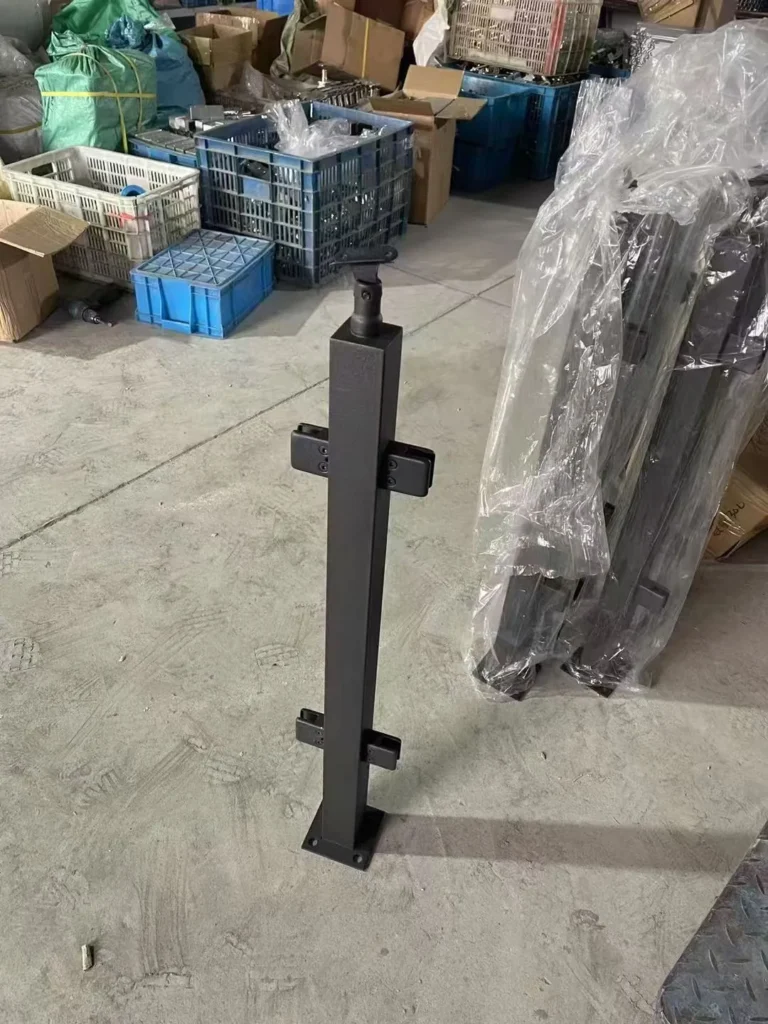
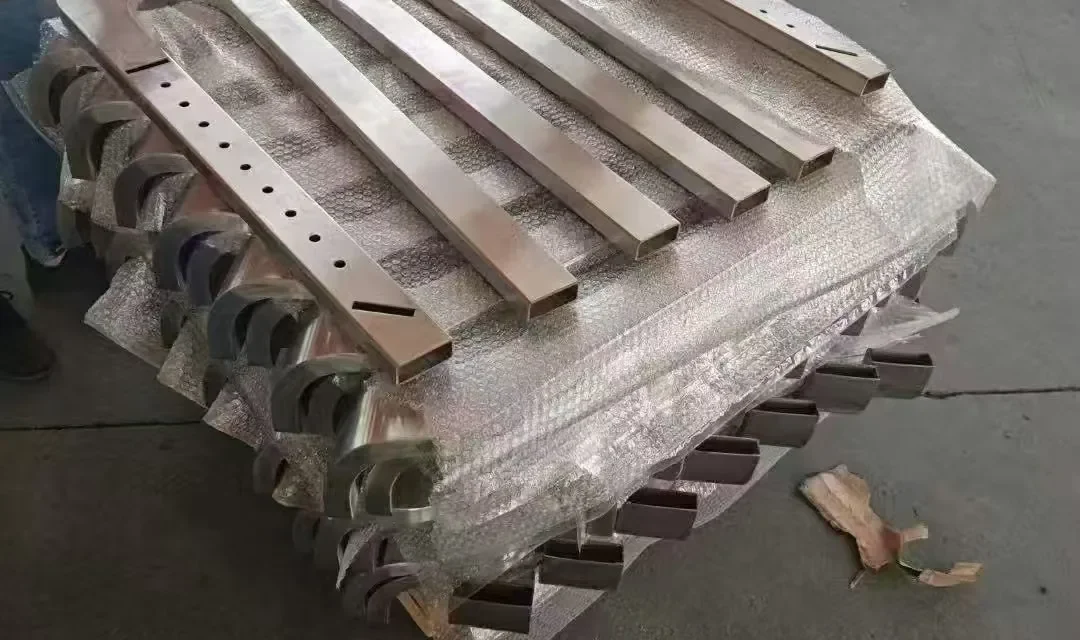
Specify the final cut edge separately from the broad faces on a flat bar stainless steel railing post. Identify which edges are visible, handled or used to locate another part, then agree the finish and functional fit for each. A cutting method identifies how the profile starts. A sample and the released drawing establish what the finished profile must do.
Mark the edges on a finished profile drawing
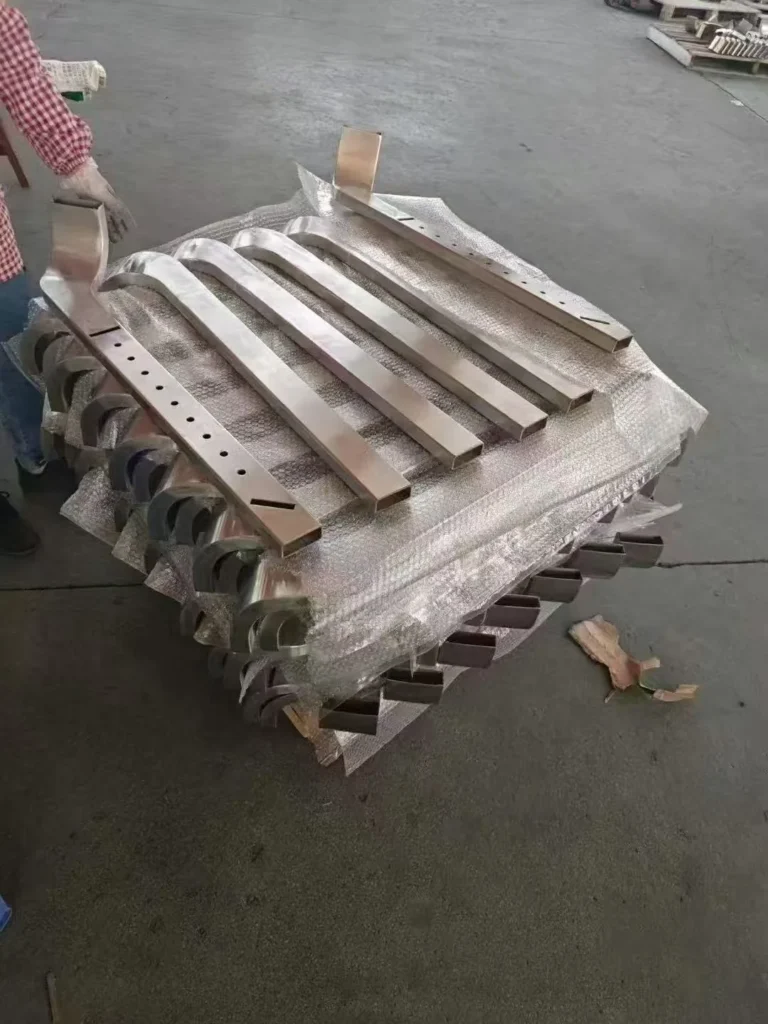
A blade post may have exposed front and rear edges, a concealed edge at its mounting plate, and a notch that meets a handrail accessory. These surfaces have different roles. Give each relevant edge a drawing reference. Show whether profile dimensions apply before or after edge finishing. If a cut edge meets another part, identify the seating face and the clearance that must remain.
Compare finished results across fabrication routes
| Edge | Buyer’s question | Acceptance evidence |
|---|---|---|
| Visible long edge | How does reflection blend into the face? | Finished sample |
| Notch at a fitting | Does the actual fitting sit as drawn? | Trial fit after finishing |
| Hidden clearance edge | Will the profile fit within the assembly? | Final profile measurement |
| Hand contact edge | Which edge condition is required? | Drawing note and inspection |
The worldstainless fabrication reference describes several fabrication methods for stainless steel. Compare suppliers using the condition of the finished edge. One offer may include a secondary finishing step while another prices the profile after cutting and basic deburring. Ask for an actual section or representative piece if this affects fit or appearance.
Check both sides of the cut when fit matters
View the finished profile from both faces to see whether the edge is square, intentionally beveled or has a taper that affects seating. Check notches with the specified mating part and avoid reading acceptance from one photograph. For an exposed decorative edge, agree the viewing conditions and compare the transition into the broad finish face. Keep the approval tied to an identifiable sample.
Example: a notch fits before polishing
A prototype accepts the handrail fitting while unfinished. After blending the edge, the bearing line changes and the fitting seats differently. The buyer requests a repeat fit check after all finishing operations. The final approval names the accessory, sample revision and visible edge treatment so a later production run can repeat the check.
Write the comparison into the order
Use one schedule for the edges that affect appearance, fit and handling. For each edge, record drawing location, the final condition, inspection method and any approved sample. If the fabrication method changes later, review whether the appearance or mating fit needs renewed approval. The same words should reach the person quoting and the person inspecting.
Can the same edge treatment apply to every edge?
It can where the drawing permits it and the parts fit. Where an edge locates hardware or carries a visual line into another component, identify its particular requirement.
See the related technical guide and the BP-NT01 notched flat bar balustrade post. Send the drawing and project requirements for a quotation.