
Release a railing post installation over adhesive anchors only after the site team has documented the approved anchor system, the relevant substrate and installation conditions, the start of the cure period and completion of the required wait. Use the instructions for the exact product and the project’s inspection plan. A hard-looking bead or a scheduled shift change does not prove the installed anchor is ready.
Keep system approval and cure release separate
The cracked concrete anchor approval guide helps match the specified anchorage product to its supporting report. This check happens later: once the approved product reaches the site, identify when each installed group can move to the next permitted step. The exact conditions and authorized actions come from the design, the approved manufacturer instructions and the project quality plan.
Copy the criteria from the approved document
The manufacturer’s supplemental topics for anchors show that cure schedules are product-specific and may distinguish concrete temperature, adhesive conditions and different time definitions. Use only the table and installation document accepted for your own system and conditions. Site teams should record the actual relevant measurements, who took them and their time of observation.
Working or gel time governs the period for placing the insert under the stated conditions; the full cure wait is a different requirement. Use the manufacturer’s definition of when the clock starts. An ambient forecast should not be substituted for a required substrate measurement.
Set a clear hold at the crew boundary
| Log entry | What to capture | Why it matters |
|---|---|---|
| Anchor group | Post and anchor references, work location and product identity | Matches the approved system to the actual bay |
| Installation | Timing, substrate and adhesive conditions required by the approved instructions | Establishes the applicable cure criteria |
| Release | Authorized reviewer, exact scope and time of release | Prevents early disturbance or loading |
Choose a group small enough that the installation and conditions can be traced to each anchor. An entire floor is rarely a helpful group if installers worked at different times or experienced different conditions. Use drawing marks and an explicit hold tag in addition to an office log.
Example: two bays are installed on different shifts
The lead crew installs the anchors for bay A first and bay B later. The handover only says both bays were anchored today. Bay A may have good records and may be ready on its own; bay B needs its own evidence for the required wait. If the work crew cannot identify which anchors belong to which record, the reviewer needs to resolve that gap before release. Incomplete entries should remain incomplete rather than copied from a nearby bay.
If an anchor was disturbed or the recorded conditions fall outside the instructions, escalate to the party authorized to accept the corrective action. Merely adding time does not resolve every departure from the approved process.
Put the handoff into the purchase package
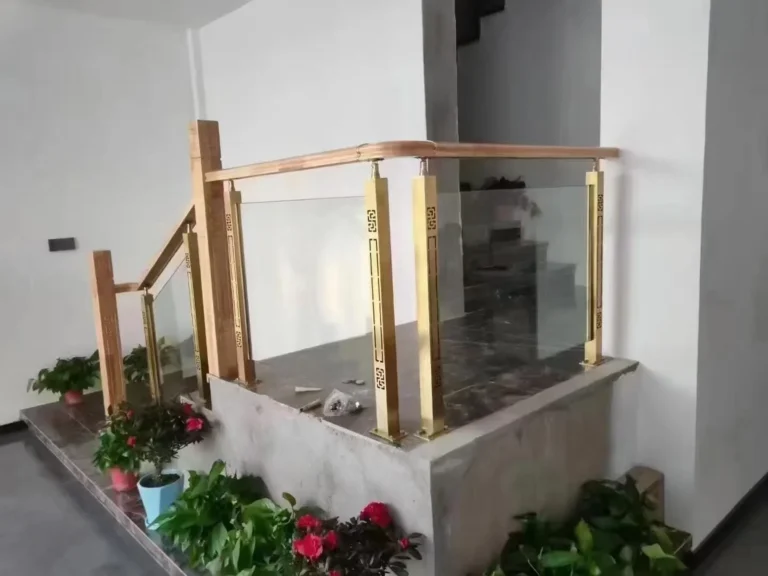
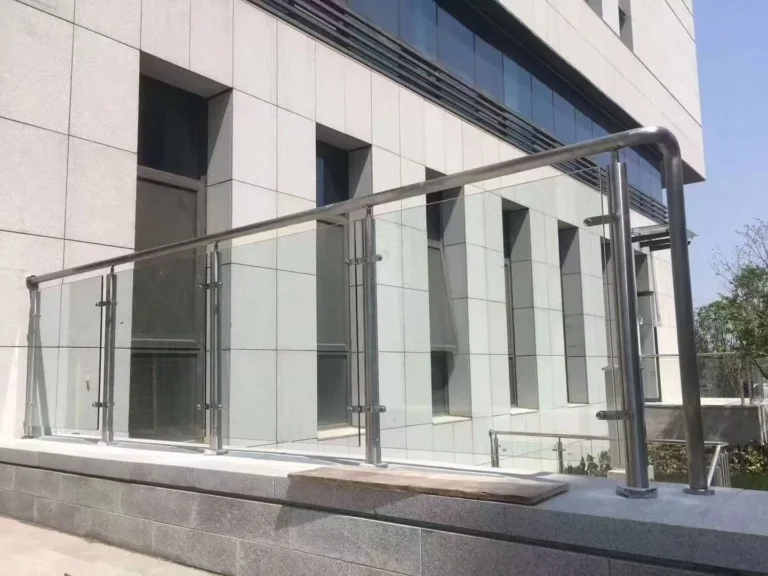
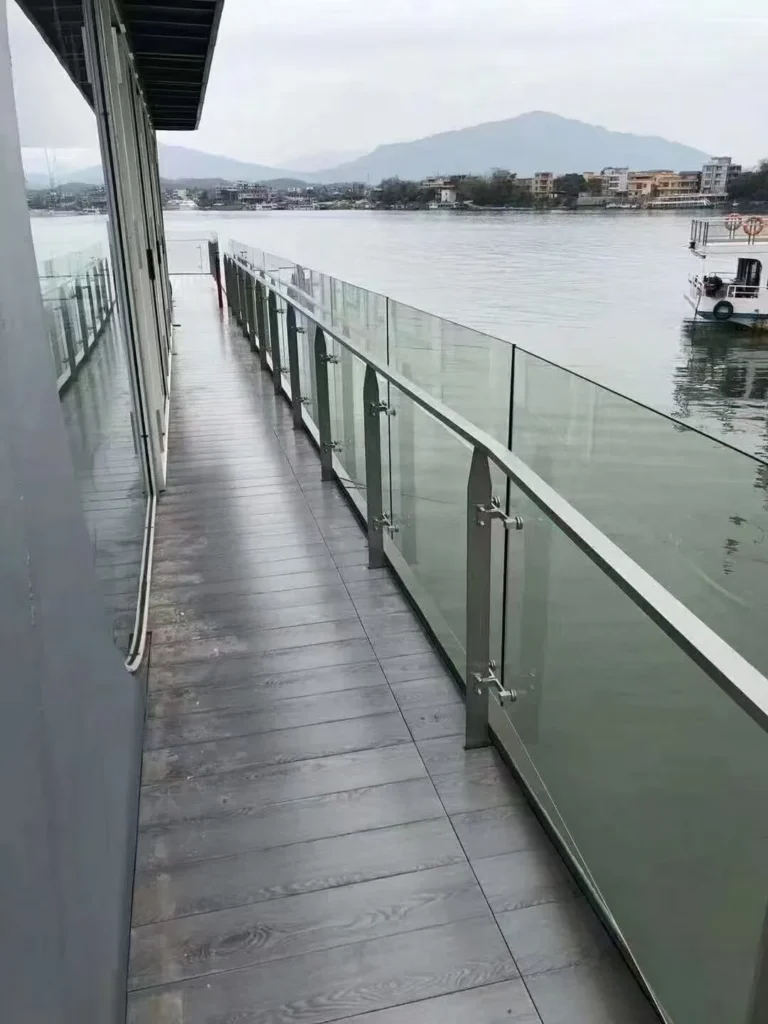
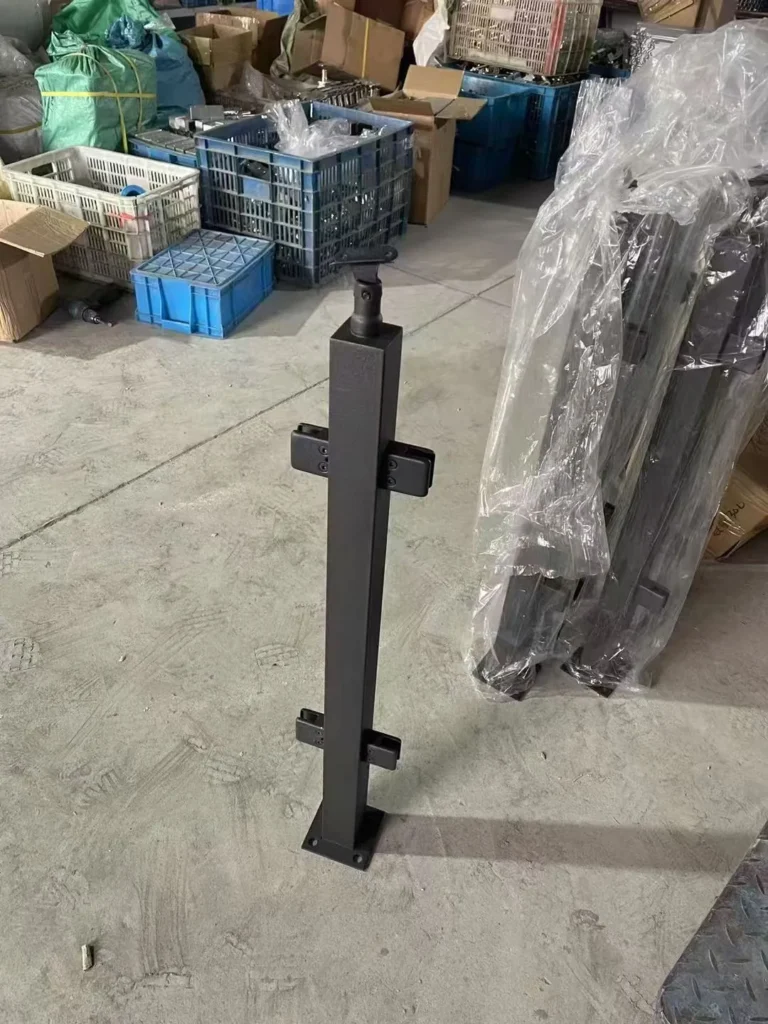
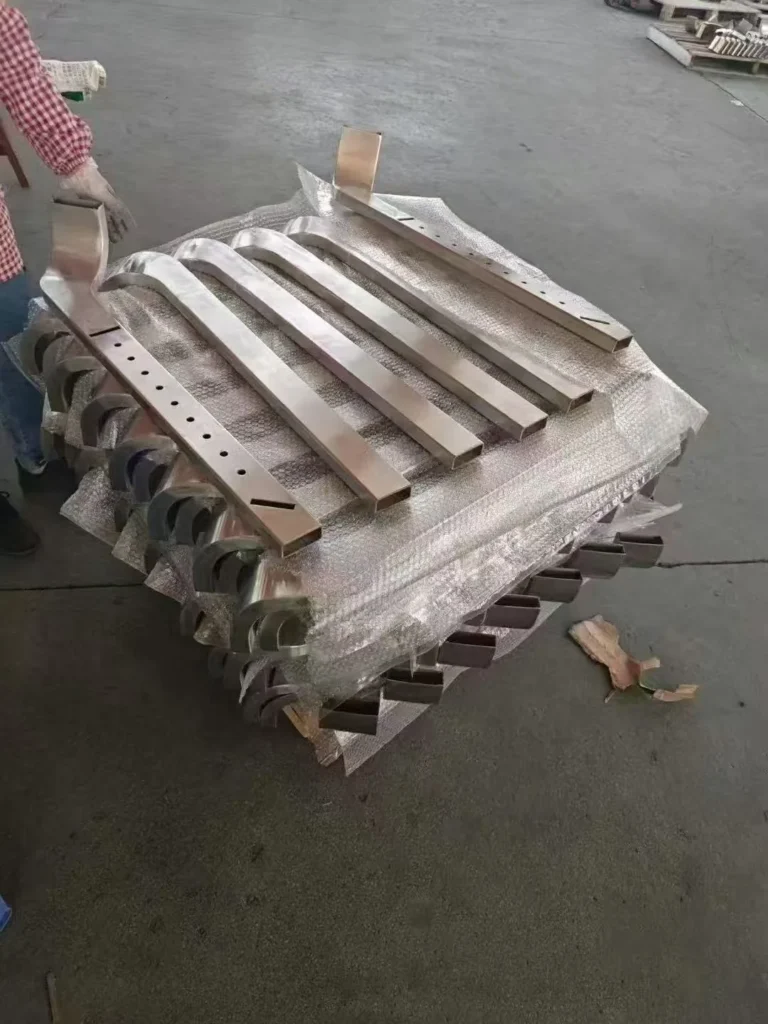
For balcony glass balustrade post assemblies, define which party controls the building-side anchors and who communicates the release to the post installer. Use the project enquiry to send the post ID schedule and supply boundary. The manufacturer of the posts cannot determine completion of curing from a drawing or delivery docket.
Can the next team start other tasks while anchors cure?
Ask the installation supervisor to define tasks that comply with the approved instructions and keep the anchors undisturbed. Mark which operations remain on hold. Release must clearly authorize the next action; it does not replace other installation or inspection requirements.