Specify glass clamp engagement and rear clearance as separate dimensions on a section through the selected clamp. Engagement describes how far the glass sits within the approved contact arrangement. Rear clearance describes the distance from the glass edge to the nominated internal surface. The supplier’s drawing and instructions must define both references before the buyer releases the glass schedule or treats a sample fit as acceptable.
Which dimensions can be confused?
For this related decision, review bevelled glass at railing clamps before releasing the affected work.
If the unforced pane does not seat as shown in the released detail, compare pane shape with clamp and post alignment before revising either order.
A drawing showing a line behind a glass edge may represent the outside of the body, an internal stop or the face of a gasket. Each gives a different dimension. Ask for a section identifying the glass edge, the contact zone, the inner reference and the visible opening. Include the insert in that section. A body drawing without the insert can be useful for identifying the part, but it may not describe the assembled glass interface.
Bohle’s technical notes describe leaving rear clearance for its clamp arrangements. That guidance illustrates why the glass should have a defined position within the fitting. Apply the documentation for the selected clamp and glass system. Another manufacturer’s nominal figure is insufficient evidence for an order. Bohle clamp catalogue and installation notes.
Read the section with the actual glass specification
| Dimension | Reference to mark | Why the buyer needs it |
|---|---|---|
| Glass engagement | Glass edge and the selected system’s defined reference | Show where the glass sits in the documented contact arrangement |
| Rear clearance | Glass edge and the specified interior surface | Check separation at the back of the fitting |
| Glass thickness | Actual glass build-up and approved insert set | Verify compatibility across the faces of the pane |
| Panel-to-post gap | Visible glass edge and finished post face | Coordinate appearance and verify the intended layout separately |
These measurements belong to different parts of the assembly. For example, a visible panel-to-post gap can appear consistent along a run even when the selected clamp variants have different rear profiles. Use the correct model and insert on every section where the profile changes. The post centers and panel width guide addresses the whole panel layout, while the section above controls the local contact arrangement.
What can an approved sample demonstrate?
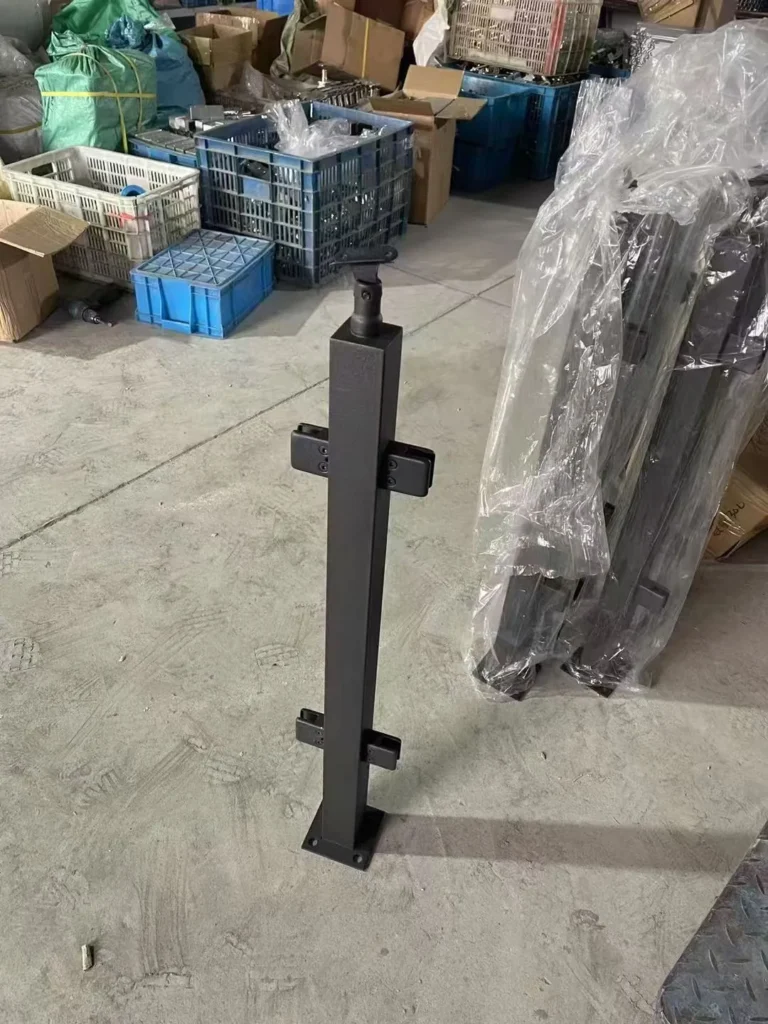
A sample should represent the clamp body, inserts, relevant retention components, glass build-up and post interface proposed for the order. Have the responsible team compare it with the approved section. Use a representative offcut or purpose-made sample where specified and record which surfaces were checked. A successful trial with a different glass thickness or insert set should be recorded as a separate trial.
When the glass edge is concealed in the assembled product, agree a verification method while the interface can still be observed. The procedure may use a documented reference or a controlled sample review. Ask the supplier or project team to identify the method for the actual fitting. A visible mark chosen in the field without that reference is not a reliable release criterion.
Resolve a mismatch before changing the glass order
Suppose a section shows the glass edge at its specified position, but a supplied sample seems to place the edge closer to the back wall. Confirm the body variant and insert reference before adjusting panel size. Also check whether the measured surface is the one identified in the drawing. Keep the original glass schedule on hold until the drawing owner confirms the corrected interface.
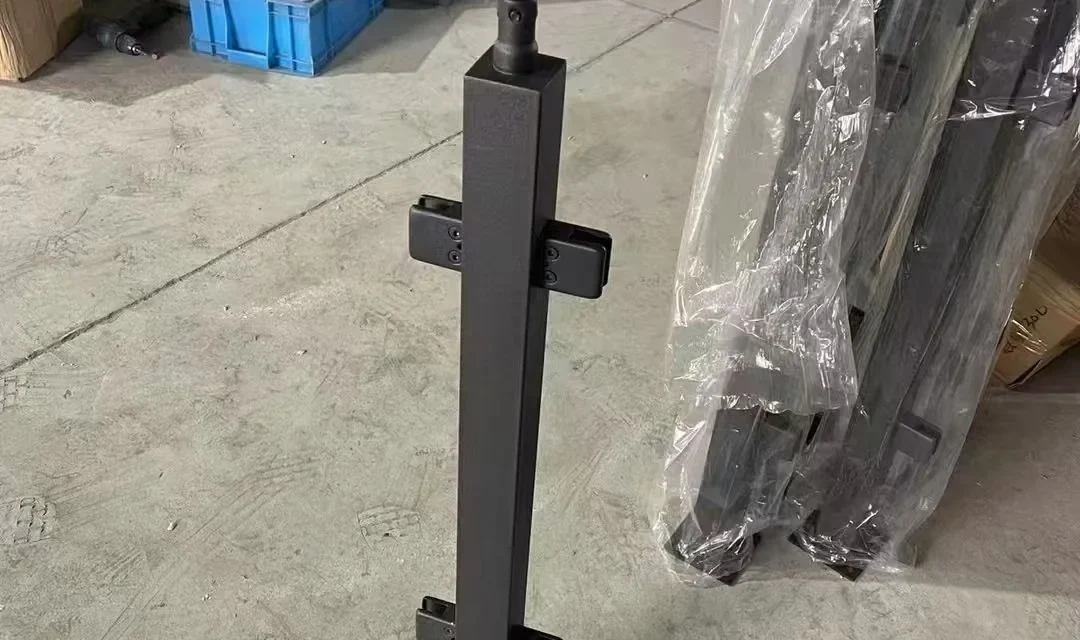
Use the B04AF clamp product reference and the actual post product to identify the enquiry. Confirm the specific drawings and compatible parts through the project enquiry page. BalusterPost manufactures stainless steel posts and coordinates glass clamps through qualified specialist manufacturing partners.
Buyer questions
Does correct glass thickness establish engagement?
Thickness concerns fit across the glass faces. Confirm the edge position and contact arrangement in the separate section.
Can a buyer order glass using one standard rear gap?
Use the documented clearance for the selected fitting and project. Ask for the reference surface and the applicable assembly conditions.
Should the visible gap be checked at sample approval?
Yes, when appearance is part of the acceptance scope. Record it alongside the concealed engagement and clearance checks.