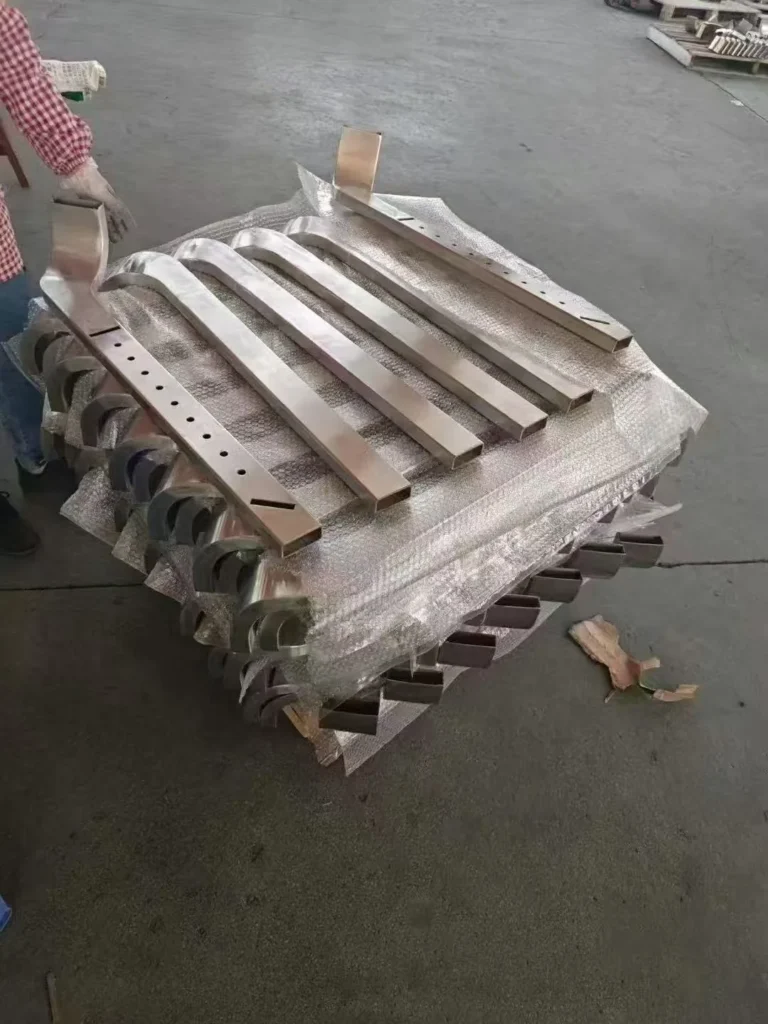
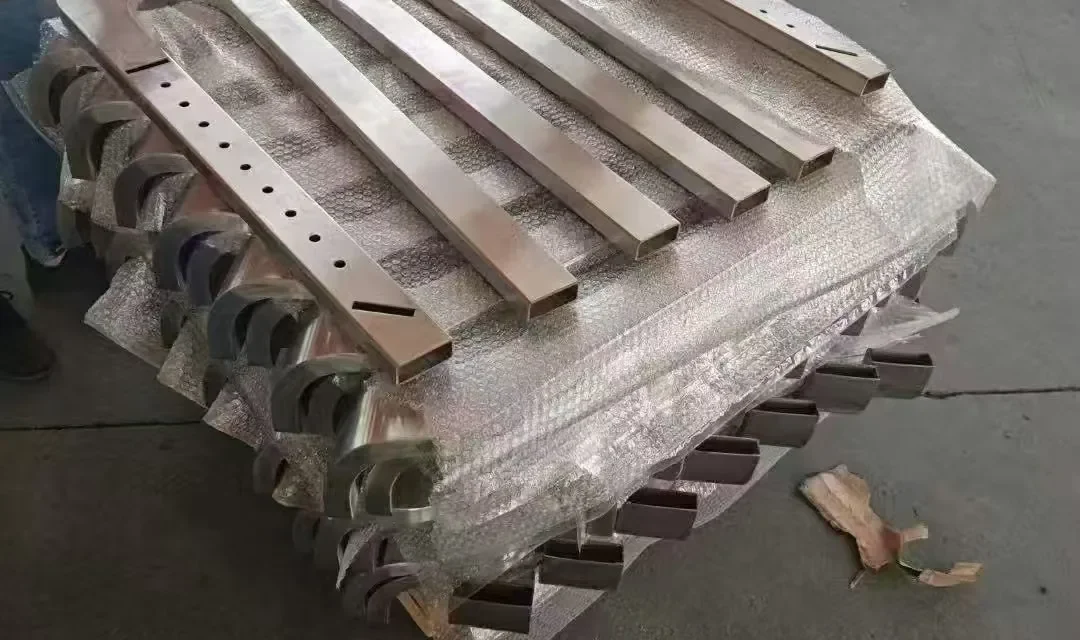
Before carbon steel grinding or cutting starts beside finished stainless railing posts, review the debris path and agree suitable work-zone separation, protection and cleanup. Record the post condition before work and inspect affected surfaces afterwards. The adjacent-work plan should address the actual operation and site safety requirements, including heat and fire hazards.
Identify the source and route of debris
Ask the contractor which material is being cut, where the operation occurs and where particles can travel. Review direct spark paths, settled grinding dust and the movement of tools or contaminated protection between work areas. Identify the posts and glass surfaces near the operation.
ASSDA’s fabrication guidance identifies grinding dust, weld spatter and shared carbon steel tools as contamination sources. Use this to plan separation and cleaning. Site supervision must also apply the required hot-work and fire controls for the actual operation.
Choose the sequence with the trade supervisor
Consider relocating the operation or completing it before finished components are installed. Where adjacent work must proceed, agree protection suited to sparks, dust and heat with the competent site team. Ordinary packaging or protective film should not be assumed suitable for hot work.
Include post bases, attachments and concealed ledges where particles can collect. Keep stainless cleaning tools segregated from carbon steel tools, and decide how barriers will be removed without transferring debris onto the finished surface.
Give the handoff a record
| Check | Record | Decision |
|---|---|---|
| Operation | Material, position and debris path | Plan separation and safety controls |
| Protection | Heat suitability and particle collection areas | Agree the method with supervision |
| Handoff | Before-and-after condition and cleanup | Accept or investigate the finish |
The site storage guide supports identity and handling control before installation. Extend those records to the installed location and the nearby work activity. Photograph the accessible condition before covering it, with enough context to identify the affected run.
Example: cutting a nearby steel bracket
An illustrative installed railing is accepted before another trade cuts a carbon steel bracket beside it. The contractor shields the most visible face but leaves particles on a horizontal base cover. Later wetting exposes a finish problem at the base.
Review the entire particle collection area before starting work. Agree an inspection and approved cleanup method after barriers are removed. A clean upper face alone does not establish the condition of concealed or horizontal surfaces.
Handle suspected contamination through an agreed route
Record what was observed, the work timing and the materials involved. Ask the finish supplier or competent reviewer for an appropriate investigation and treatment method. Preserve evidence before abrasive work that could alter the appearance.
For stainless square posts, include adjacent-trade protection and handover responsibilities in the project enquiry. Define which party supplies temporary protection and who accepts the condition after neighbouring work.
What closes the adjacent-work handoff?
Keep the accepted method, affected post references, protection arrangement and final observations. Record any remaining inaccessible areas or unresolved condition for the project supervisor.