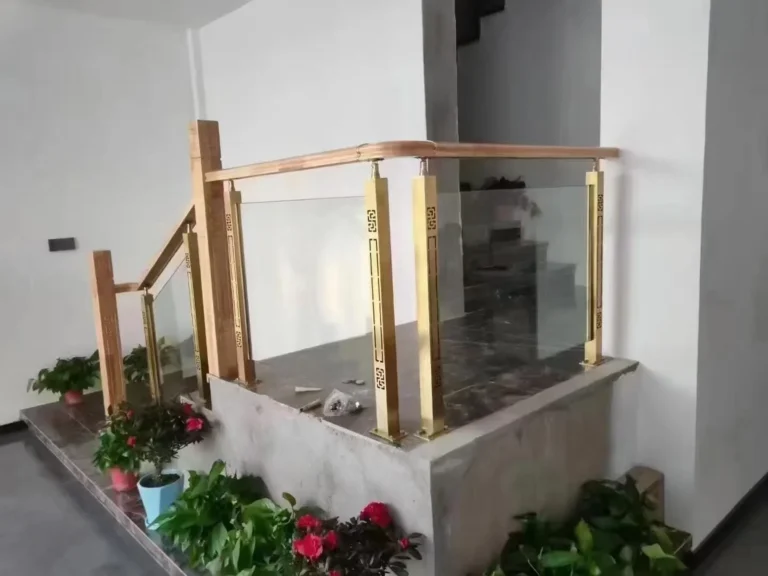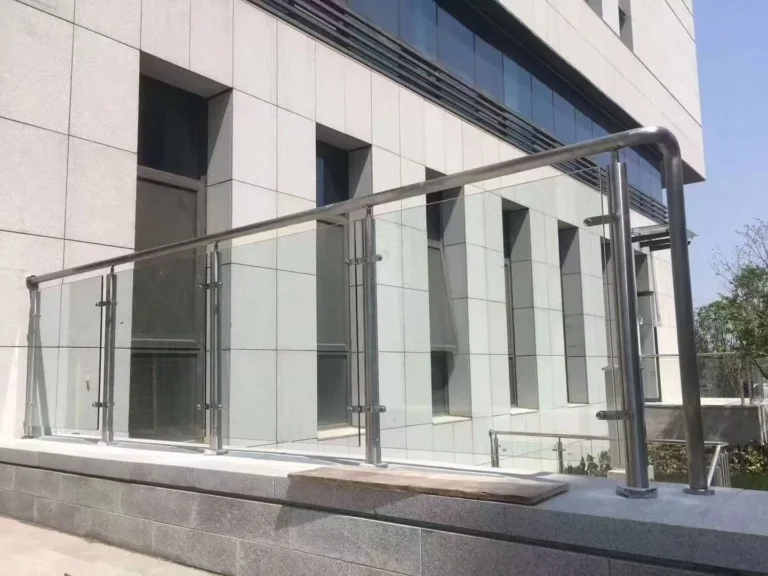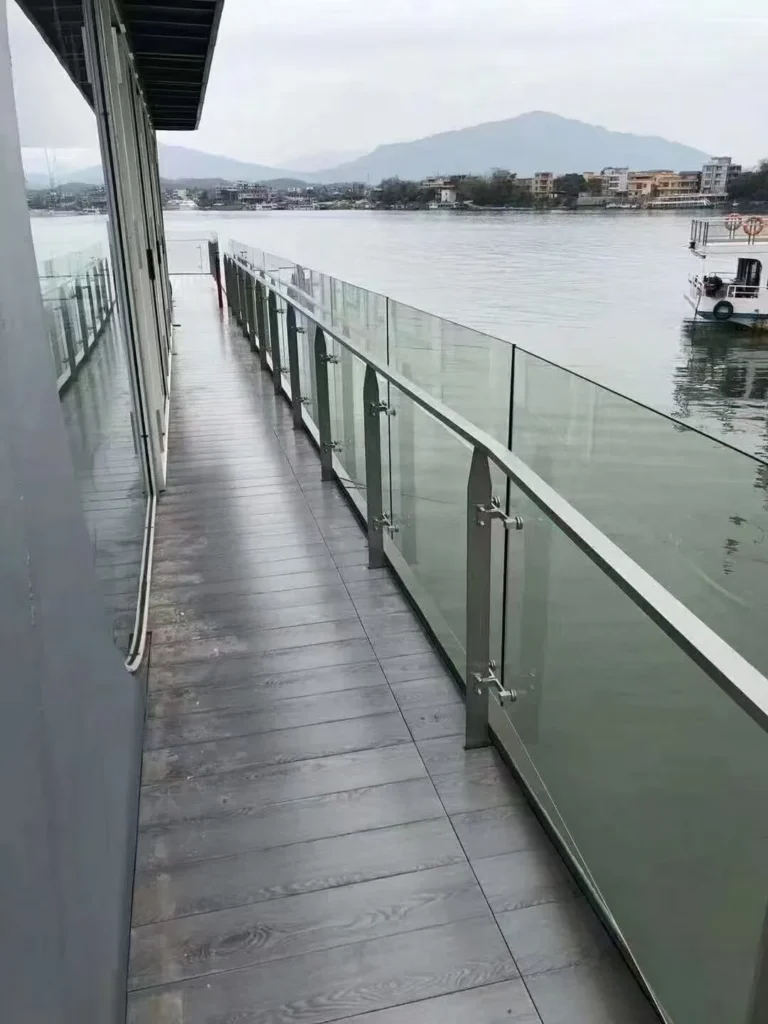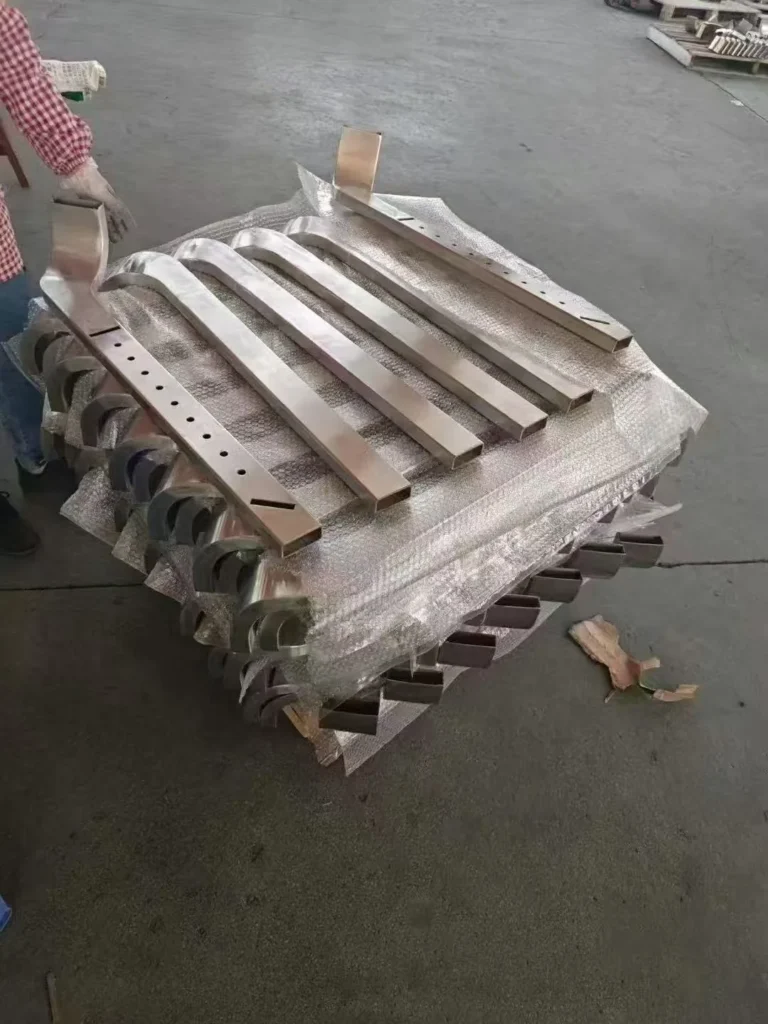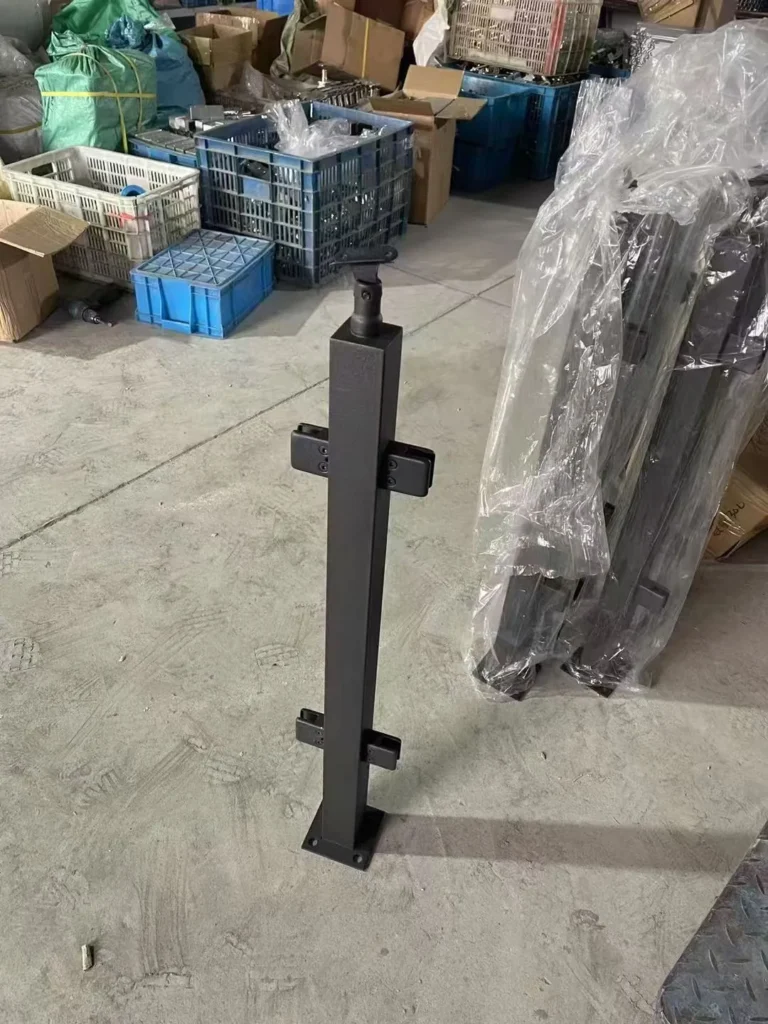
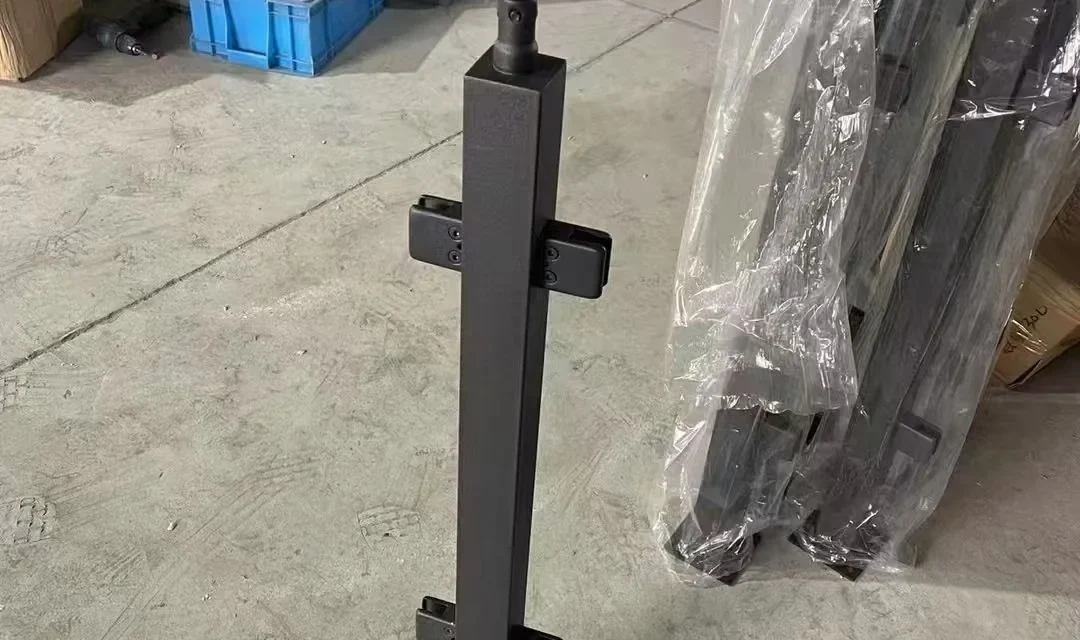
Before ordering a replacement pane for a clamped glass railing, confirm the original glass specification, the exact retention arrangement and the route available to move the pane. A clamp that can be opened still needs clearance for the pane and an approved plan for maintaining protection at the edge. Record which components can be retained and which need inspection or replacement before committing to glass fabrication.
Separate replacement of the pane from replacement of the hardware
For this related decision, review glass breakage evidence for railing clamp replacement before releasing the affected work.
Before releasing replacement glass, coordinate the glazing mark with the clamp layout so the required designation stays readable in the installed orientation.
If a potential defect is visible at a clamp position, record edge damage before the clamp conceals it and hold the pane for project review.
A damaged pane may leave the posts and some fittings in usable condition. That requires an assessment of the actual assembly, including any damage associated with the event. A spare clamp is a useful procurement item, but it does not tell the installer whether the rail, neighboring panes or supports will interfere with access. Start with the installed section and the relevant handover records.
Glazing manufacturer Pilkington advises careful handling to prevent glass edge damage. Its bulletin addresses glazing generally. Use the applicable glass supplier and project instructions when planning work on a guard. The following checks support purchasing and access planning. The responsible contractor should define temporary protection, handling equipment and the approved work sequence. Pilkington glazing and handling guidance.
Record the removal envelope before buying the pane
On a section and plan, mark the pane outline, surrounding finishes, top rail, neighboring panels and access from the working side. Ask the responsible contractor to show the intended movement envelope with relevant handling equipment. The detail is different from a screw-access check. A tool may reach the clamp fastener while the glass itself has no clear movement path.
| Finding | What to obtain | Effect on the order |
|---|---|---|
| Original glass schedule is available | Confirm installed pane ID, revision and current glass approval | Use the approved release information after reconciliation |
| A rail or adjacent finish obstructs the pane path | Approved access and temporary protection plan | Identify related removals and reinstatement scope |
| Existing inserts or retention parts show damage | Component references and approved replacement arrangement | Include the necessary parts with the pane order |
| Hardware or glass identification is uncertain | Survey and disposition by the responsible team | Hold fabrication until dimensions and materials are resolved |
Verify glass information from more than one clue
The replacement schedule should establish shape, dimensions, edge treatment, construction, applicable safety designation and any specified processing. If a pane has holes or notches, reconcile their position and reference surfaces with the drawing before release. Photos can document visible conditions and marks. Where they leave a question about construction or concealed geometry, ask the appropriate supplier or designer to resolve it.
For example, a buyer may find the original drawing, but the installed pane appears to sit under a cap added later. Confirm the actual condition with a survey and identify whether the cap influences the replacement route or the approved assembly. Copying the outline alone would leave the access issue unresolved. Changing the pane outline to simplify handling would require an approved revision.
What should the supplier receive?
- Pane ID and current glass drawing, with installed orientation identified.
- Clamp model, inserts and any specified retention parts.
- Section showing rail, neighboring panes and finished construction.
- Disposition for damaged or unidentifiable parts, with responsibility recorded.
- Confirmed scope of the glass order and related hardware.
The clamp tool access guide helps when documenting fastener access. Use the actual clamp listing and the post interface reference to identify the hardware being reviewed. Submit the coordinated records through the enquiry page. BalusterPost manufactures stainless steel posts and coordinates clamps through qualified specialist partners.
Buyer questions
Can the original clamp be reused?
Have the responsible team assess its condition, identity and compatibility with the replacement assembly. Obtain any required disposition before relying on it.
Does matching the old pane dimensions complete the release?
Confirm the glass build-up, processing, retention arrangement and the planned access. Each can affect the replacement scope.
Can the pane be replaced while the railing remains in use?
The responsible contractor and project team should determine access restrictions and temporary edge protection for the work.