If a glass railing pane arrives with a suspected edge chip near a clamp, identify the pane and hold it for review before installation. Photograph the edge and map the condition to the approved glass and clamp drawings. The glass fabricator and responsible project reviewer need to assess the condition before accepting the pane, particularly where the clamp would conceal it.
Inspect the areas the clamp will conceal
Use the approved receiving and handling procedure to see the pane edges safely. Identify where the clamp jaws, inserts and any retention hardware meet the glass, using the drawing for the actual bay. Do the same for holes, notches and corners if present. The Pilkington guidance on toughened glass handling explains how handling can cause edge damage. A finished pane can be damaged after fabrication, so a manufacturing label does not resolve a newly discovered condition.
Record what can be seen at receiving
| Condition | Evidence before fitting | Next decision |
|---|---|---|
| Suspected edge chip | Mark, photos and location on pane sketch | Glass and project review |
| Damage near a hole or notch | View of edge and feature together | Confirm applicable requirement |
| Clamp would hide mark | Overlay of clamp on released detail | Hold before assembly |
| Packaging obscures edge | Record uninspected area | Arrange safe inspection |
Take an overview that includes the pane mark and close views from more than one direction. Place a reference scale beside the condition when this can be done without moving or touching the damaged area. Record which face and edge the images show. Note if packaging obscures an area and needs to be opened under the agreed handling procedure.
Keep condition and acceptance separate
The inspector can establish that an edge has a visible mark and show its location. The glass fabricator and designated reviewer should compare the observation with the project specification, glass construction and approved application. Avoid sharing a standalone photograph as a pass decision. Include the full edge view, adjacent corners or holes and the detail showing the intended clamp position.
Example: a chip beneath the lower fitting
The crate appears intact, but the receiver notices an edge chip in the region identified on the drawing for a lower clamp. The buyer records the bay and pane marks, holds the pane in a protected location and informs the team before they schedule installation. The reviewer sees both the mark and its location relative to the clamp. If a replacement is required, the team can use the same pane identity to release it without changing unaffected bays.
Give the decision an owner
Log the receiver, contact at the glass fabricator and the person who can authorize release. Keep the receiving evidence with the replacement or disposition instruction. If the pane is replaced, compare the new pane mark and drawing revision before closing the issue or releasing matching hardware.
Can a small mark be ground away before fitting?
Do not improvise an edge repair to make the glass fit or hide damage. Keep the pane on hold and obtain the disposition for the documented glass construction and project.
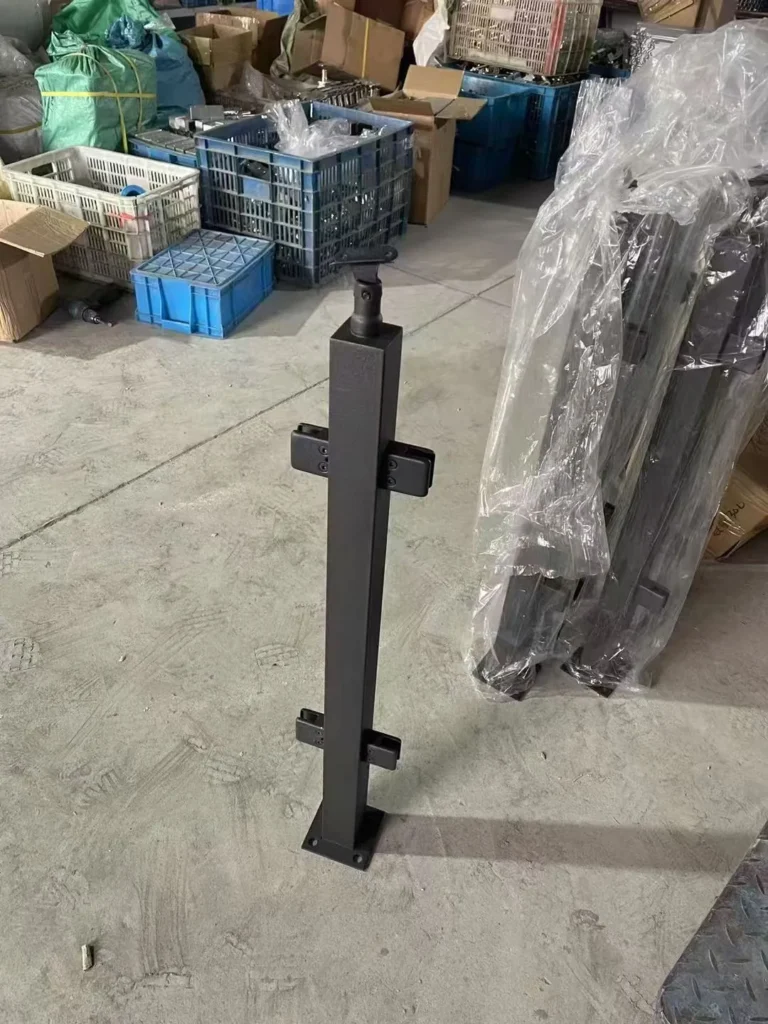
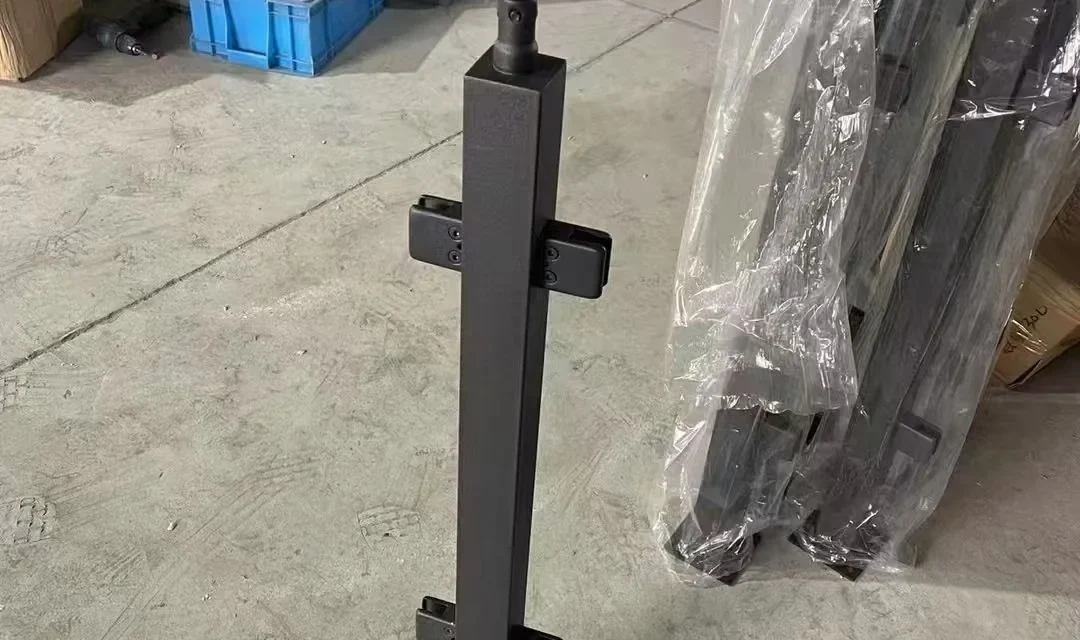
Use the related technical guide for the adjacent decision and review the square tube glass balustrade post alongside the B04AF clamp listing. BalusterPost manufactures stainless steel posts and coordinates clamp supply through qualified specialist partners. Send the applicable drawing and supporting records for a supply review.