After a railing pane breaks, secure the affected area through the responsible site team and arrange assessment by qualified glazing professionals. Preserve the pane identity, clamp positions and incident observations before dismantling where it is safe to do so. The replacement order should follow the assessment and accepted hardware disposition for the actual assembly.
Assign safe access and evidence capture together
The building operator or site supervisor should arrange the necessary exclusion and professional response. Ask the glazing assessor what observations they need before removal. Evidence collection must fit the safe method for the affected railing and its surroundings.
The Glass and Glazing Federation’s glass breakage guidance discusses possible causes and post-breakage considerations. It explains the value of professional analysis and preserving relevant evidence. It does not diagnose the cause of any particular incident from a photograph alone.
Record the arrangement before parts are separated
Identify the run, panel mark, post marks and clamp model references where available. Take context photographs that show the full panel location and closer views that show accessible glass edges, contact areas and hardware positions. Record which photographs were taken before and after any disturbance.
Retain the incident timing, reported activity, weather and any witnessed impact as observations with their sources. Distinguish a witness account from a verified finding. Ask the assessor how any recoverable evidence should be retained, labelled and transferred.
Make a hardware disposition register
| Review item | Information required | Buyer action |
|---|---|---|
| Incident | Pane and post marks plus dated observations | Arrange professional assessment |
| Hardware | Position, model and removal history | Obtain reuse or replacement disposition |
| Order | Accepted construction and revised drawing | Release a coordinated replacement package |
A fitting can remain visually intact while its reuse requires review of its condition and the accepted assembly. Record which parts were disturbed during removal and keep inserts, screws and securing features connected to their original position when the professional team considers it appropriate.
An illustrative cleanup before the enquiry
A pane is removed and the loose hardware from several panels is put in one box. The later enquiry contains one clamp photograph and a replacement pane size. The assessor now has less information about which parts served the broken panel and what their original positions were.
Agree the identification and evidence handoff before the removal crew starts. If parts have already been mixed, record that limitation and ask the reviewer which replacement scope is supported. Avoid reconstructing an unverified original arrangement from similar-looking parts.
Release the replacement package after review
Use the replacement order guide to coordinate the accepted pane, access and hardware scope. Carry the assessor’s findings and the supplier’s hardware disposition into the revised drawing and order.
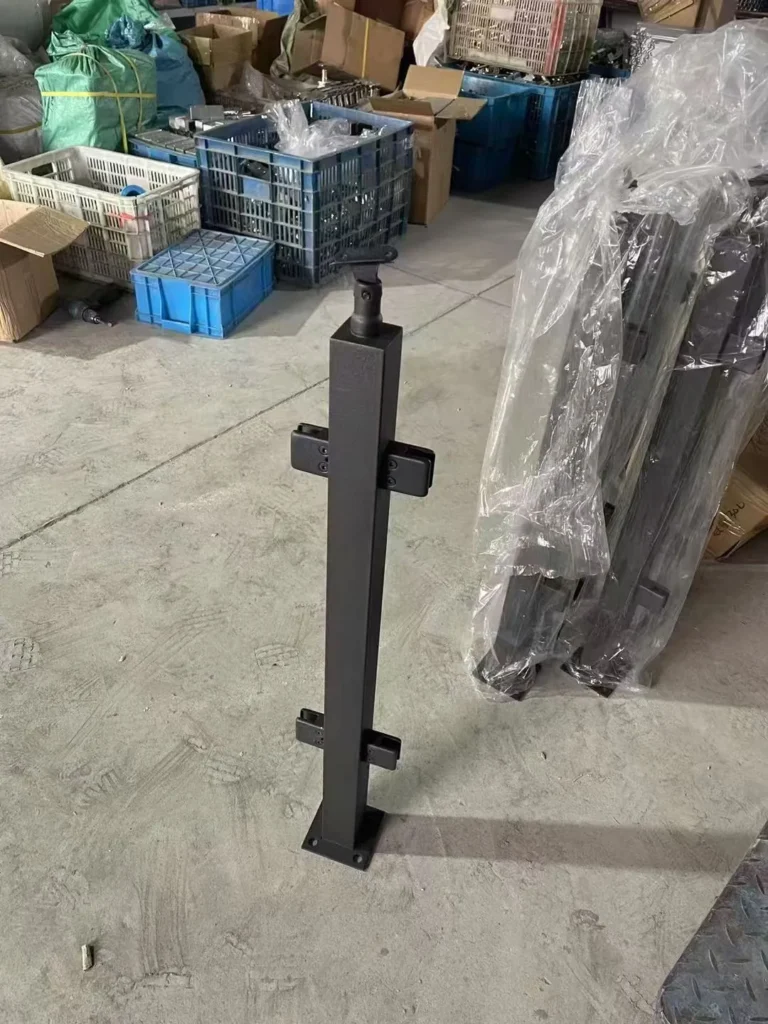
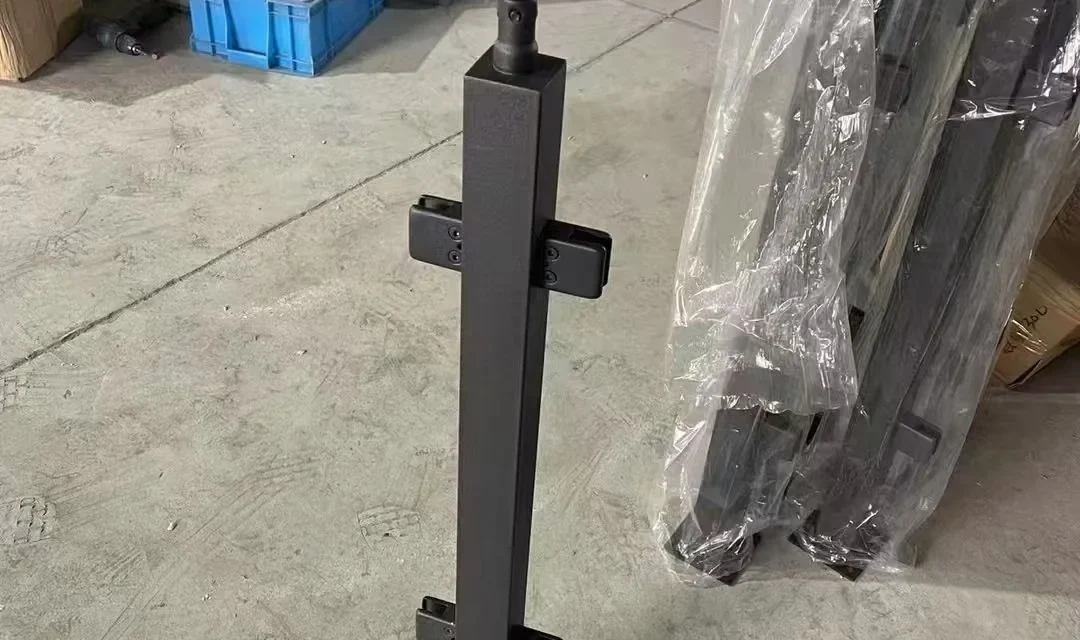
For B10AF clamp enquiries, identify the proposed replacement configuration and the post interface. Send the observed context and authorized disposition through the project enquiry. Product photographs identify a candidate for review, while the actual model and assembly need confirmation.
What closes the evidence record?
Retain the observations, professional findings, limitations, component disposition and accepted replacement drawing. Record who authorized return to service through the project’s required process. Keep the incident record accessible for any related panels the reviewer identifies.