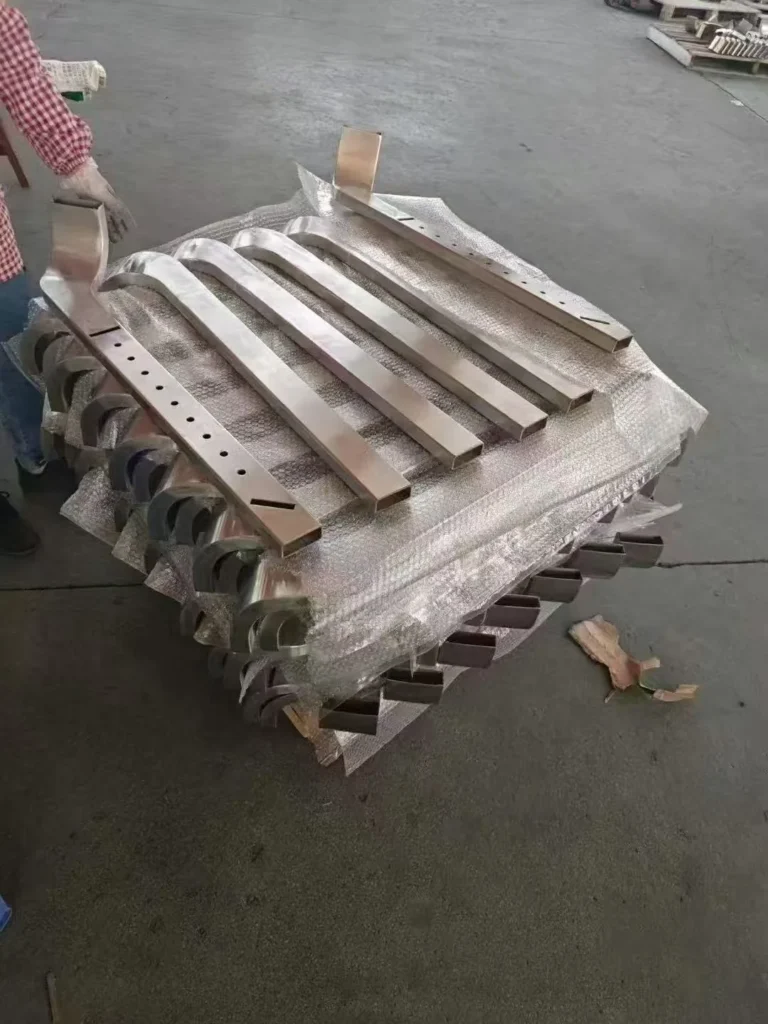
Before masonry cleaning starts beside stainless railing posts, identify the cleaning product and method, agree protection against spray and runoff, and name who checks the posts before and after the work. Stainless steel should not be exposed to hydrochloric-acid brick cleaners. Coordinate the trade sequence before the cleaner reaches the finished post surface.
Find out what the neighbouring trade will use
Request the product name, safety data and proposed application method from the masonry contractor. Ask where the liquid will go, which surfaces may receive spray and whether wind or access conditions could carry it to the railing. A general description such as final builders clean leaves the exposure undefined.
ASSDA’s cleaning guidance specifically warns against hydrochloric-acid brick-cleaning liquids on stainless steel. Its guidance also addresses cement and mortar residues. Use an accepted stainless cleaning method for the actual finish rather than assuming a product approved for masonry is appropriate for adjacent metal.
Agree a sequence before choosing a cover
Consider whether the masonry work can be completed before the post is installed or before finish protection is removed. Ask the site supervisor to review practical access and programme constraints. Record the accepted sequence and who can authorize a departure.
If work must proceed around installed posts, define protection against the actual liquid path and application method. Include joints, base covers and concealed areas where contaminated liquid could remain. A loosely wrapped visible face may leave the base and attachment interfaces exposed.
Make the trade handoff inspectable
| Review item | Information required | Buyer action |
|---|---|---|
| Cleaning operation | Product and method plus liquid path | Review exposure before work |
| Protection | Faces, joints and base areas | Agree containment and access |
| Handoff | Photos and named acceptance owner | Record the final condition |
Photograph the visible finish and agreed protection before work starts. Identify the post marks and work zone so any later observation has a location. Have the contractor and supervising party confirm the condition before the protection is removed.
An illustrative sheltered base
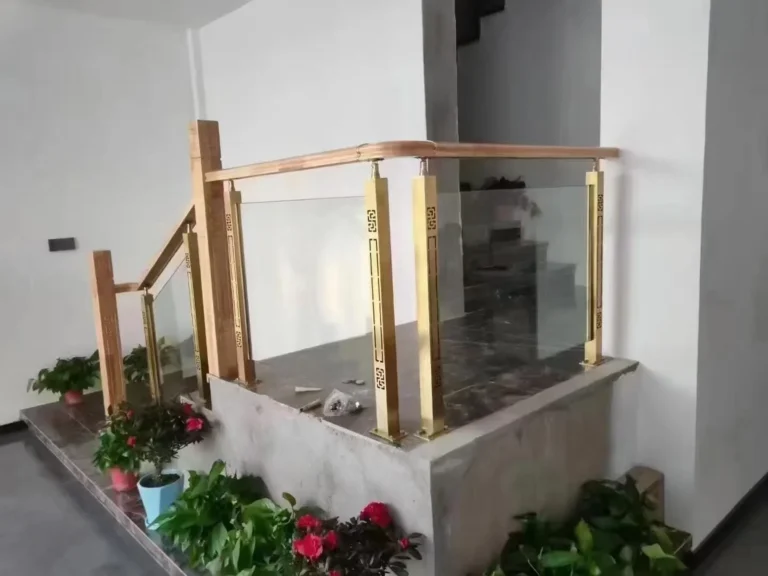
A stair run stands beside a wall scheduled for cleaning. The post faces are covered, but the cleaning liquid drains down the floor toward the base covers. The handoff needs to address runoff as well as direct spray.
Ask the supervisor to review containment and drainage before work begins. After the work, inspect the accessible base and attachment areas using the agreed method. If exposure or damage is suspected, retain the product and timing details with the observation instead of starting an unapproved polishing operation.
Route observations to a defined owner
The rust-staining investigation guide helps preserve evidence when a finish problem is observed. Add the masonry product, work area, weather and protection history to that record. The chosen response should come from the finish supplier and project reviewer for the actual condition.
For square stainless railing posts, share adjacent-trade exposure and protection requirements through the project enquiry. Confirm any scope for temporary protection and later inspection before comparing supplier prices.
What belongs in the final cleaning record?
Keep the accepted products and methods, protection arrangement, dates and before-and-after observations. Identify any affected posts and the person who accepted the final condition so the building handover retains a clear history.