
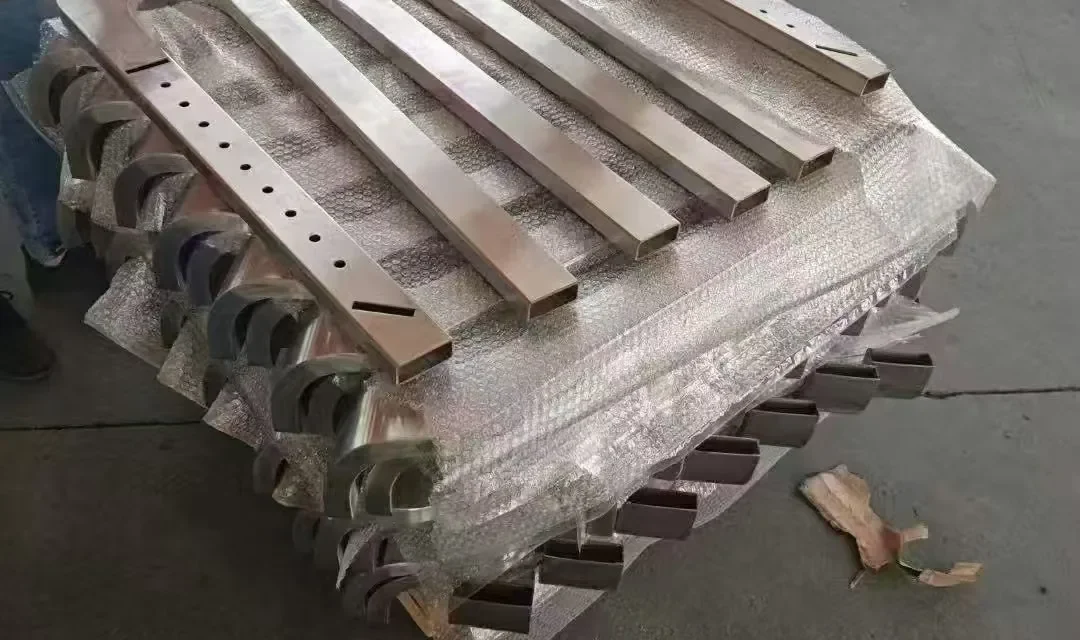
Specify temporary protective film for stainless steel railing posts by the actual finish, expected exposure, handling operations and supplier-defined removal conditions. Assign responsibility for removal before shipment and retain the film reference with the order. Do not assume a generic wrapping film is suitable for prolonged outdoor exposure or that leaving protection in place indefinitely will preserve the finished surface.
What must a buyer decide before requesting protective film?
First describe what the protection is intended to do. Protection during transport, temporary protection during installation and storage outside a building are different circumstances. The supplier needs the intended sequence to assess the proposed material. A request for extra protection does not explain the environment or how long the item may remain covered.
BalusterPost manufactures stainless steel baluster posts and railing posts. The protection supplied with a particular order must be confirmed; this article does not claim that a named film or a particular outdoor exposure allowance is included as standard. Glass clamps and other accessories are coordinated through specialist manufacturing partners and may have separate packaging requirements.
The stainless steel post category identifies the core product range. When enquiring about protection, identify the actual post model and finish rather than assuming the same material is appropriate for every visible surface in the order.
Why can leaving film in place create a problem?
The British Stainless Steel Association’s film-removal guidance explains that exposure and time can affect the adhesive and make clean removal difficult. It recommends prioritising removal once operations that could damage the surface are complete. The appropriate conditions depend on the actual film; there is no universal outdoor duration to apply to every product.
That guidance creates a coordination question for the buyer: who knows when the relevant work is finished, and who is responsible for acting on the removal instructions? If nobody owns that decision, temporary protection can remain in place simply because each party assumes another party will remove it.
This article does not provide a heating, solvent or chemical-cleaning procedure. Where removal is difficult or residue remains, obtain advice appropriate to the actual film, finish and surrounding materials rather than improvising from a general description.
Which information should the supplier receive?
State whether storage is indoors or outdoors, whether direct sunlight is expected and which transport or installation operations the protection must survive. Identify uncertain dates as uncertain. A provisional construction schedule should not be presented as a guaranteed exposure period.
Describe the finished surface accurately, including any coating or decorative treatment. Ask the supplier to confirm compatibility with that specific surface. A material accepted on one uncoated sample should not automatically be transferred to a differently finished component.
Include the intended receiving and removal sequence. If the buyer plans to inspect the finish after delivery and re-protect it, ask what replacement protection is appropriate. Removing and reusing a damaged film should not be assumed acceptable without the relevant supplier information.
What should the protection schedule record?
| Field | Information to retain | Decision supported |
|---|---|---|
| Protected part | Model, finish and visible faces | Which surface is covered? |
| Film reference | Confirmed product or supply specification | Which instructions apply? |
| Expected conditions | Storage and installation exposure | Is the proposal suitable? |
| Removal conditions | Actual supplier requirements | When must the responsible team act? |
| Owner | Named receiving or installation responsibility | Who controls removal? |
| Inspection | Surface check and record after removal | What condition was observed? |
Keep this information with the delivery documents. A film reference held only in the manufacturer’s purchasing record may not help the installer who eventually removes it. The handover should identify where the applicable instructions can be found.
How should a representative sample be evaluated?
Ask the supplier whether a sample review is appropriate for the proposed finish and use. Define the question being checked, such as compatibility, removal appearance or suitability for the intended handling arrangement. A sample applied to a flat swatch may not represent every corner and attachment on a fabricated post.
Record the sample identity, film reference and relevant conditions. Do not describe a brief workshop observation as proof of extended outdoor performance. The accepted conclusion should match the actual review performed and any product information supplied.
The first-article inspection guide helps organise sample records. For temporary protection, distinguish approval of the finished post from approval of the proposed protective material and its intended use.
Does film replace the rest of the packaging?
No general protection claim should be inferred from the presence of film alone. Define the transport packaging and handling requirements separately. The post packaging guide addresses the broader shipping package; this guide focuses on the temporary material in contact with the finished surface and its removal responsibilities.
If packaging changes during storage or onward distribution, preserve the original instructions and part identification. A distributor who repacks goods should not lose the connection between the covered component and its applicable removal information.
Mark any protection removed for inspection and document how the affected area was handled afterward. Otherwise, a later receiver may assume every surface remains protected in the same way, even though some parts were opened and repacked.
What if the construction schedule is delayed?
Compare the revised plan with the actual film instructions and exposure history. Ask the responsible supplier or project team what action is appropriate before the protection remains in conditions outside the agreed basis. A delayed handover is not itself an extension of a film’s stated suitability.
For example, a shipment originally intended for indoor storage may be moved to an outdoor staging area. Record the change and seek confirmation rather than relying on the original packaging approval. Keep the resulting decision with the affected delivery references.
If protection must be changed, obtain an appropriate method and replacement specification. Do not cover an unidentified residue or damaged surface simply to restore the appearance of a wrapped item. Document the condition and resolve any uncertainty before re-protection.
What should be recorded when protection is finally removed?
Identify the delivery group, removal date and condition observed. Record whether removal was straightforward, whether residue remained and whether any damage or unexpected appearance became visible. Keep those observations separate: a damaged film does not by itself prove that the underlying post is damaged, and a clean-looking film does not establish the condition underneath.
If there is a disagreement, retain the available product reference and photographs of the process and affected area. State any cleaning or other treatment already attempted. That record helps the supplier distinguish the initial condition from changes introduced during a later remedy.
Close the protection task explicitly at handover. The owner should know whether temporary film remains on any identified positions and who will remove it. Do not treat a general project completion date as evidence that every covered component has been inspected and released.
Protective-film FAQ for railing buyers
Can every film remain outdoors until project completion?
No. Obtain the actual product information and compare it with expected exposure and the revised schedule.
Should a buyer use a universal removal deadline?
Use the requirements applicable to the selected film and surface. Do not invent a duration where the supplier has not confirmed it.
Can residue be removed with any available cleaner?
Do not assume compatibility. Seek a suitable method for the film, finished surface and nearby materials before treatment.
What belongs in the RFQ?
Send Ryan Liang the post finish, expected storage conditions and installation sequence. Identify who will remove the film and which dates remain provisional so the proposed protection can be assessed against the actual order.




