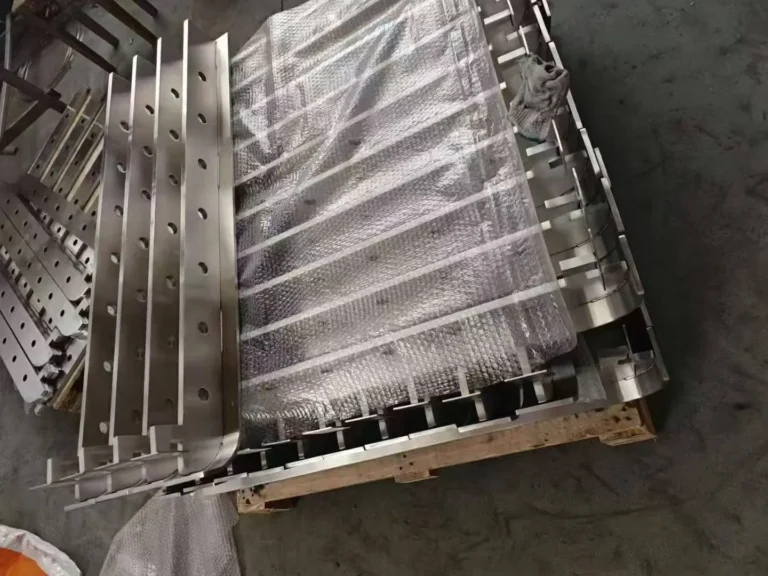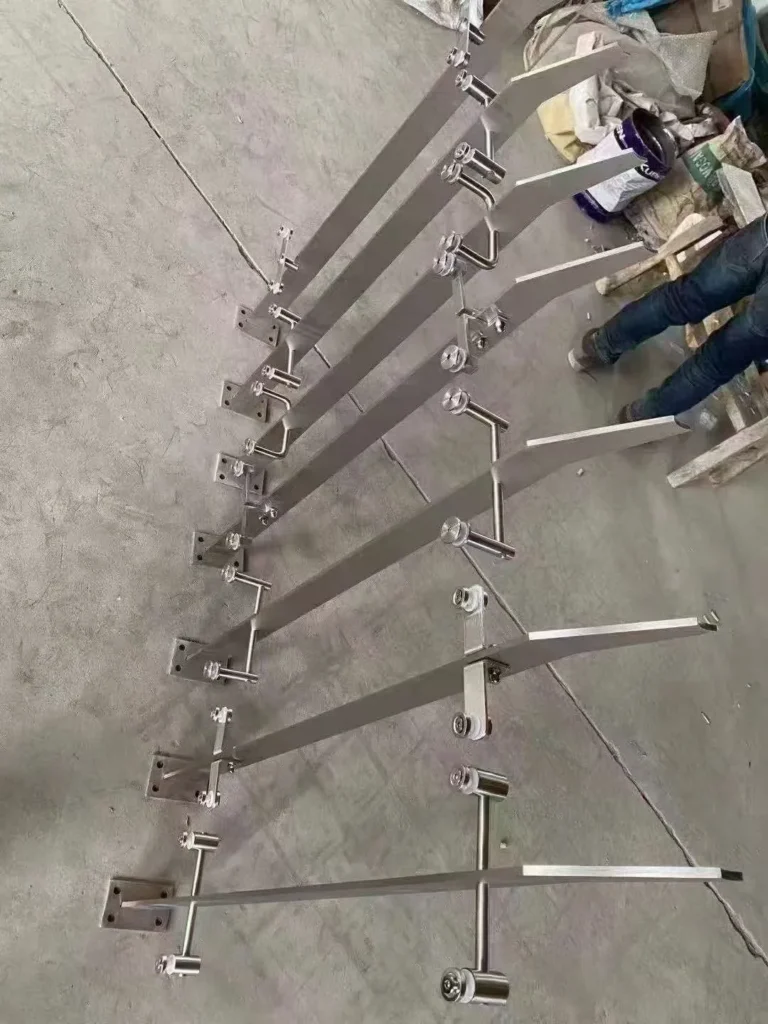
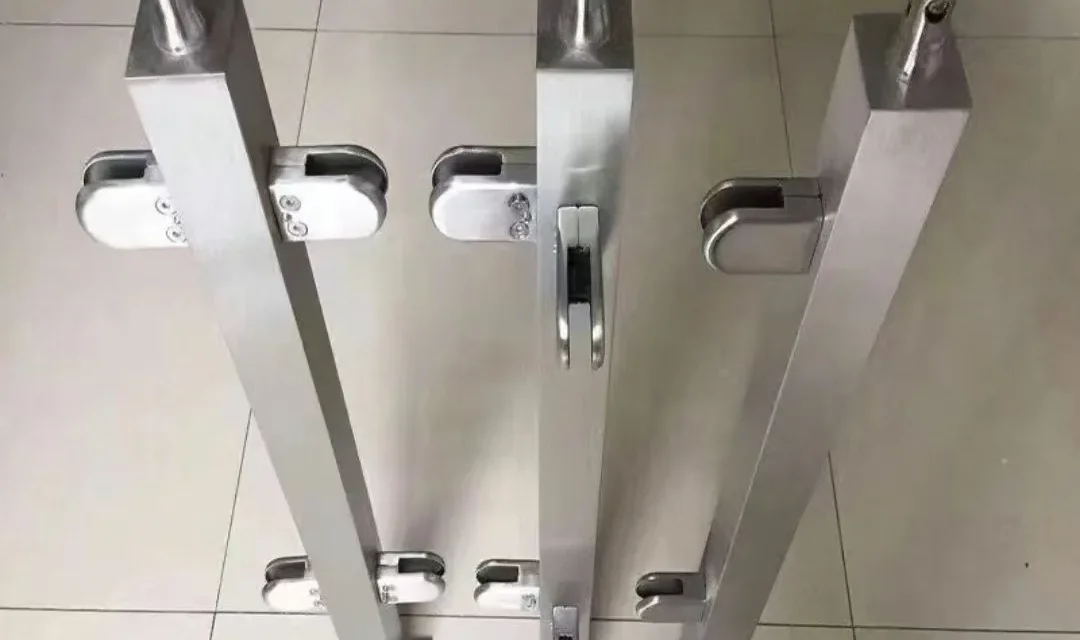
Short answer: approve a custom stainless steel railing post first article by comparing a representative, production-intent sample with the released drawing and purchase specification. Verify identity, material evidence, critical dimensions, interfaces, welds, finish, assembly and records before authorising the batch. Close every deviation in writing. First article approval reduces production risk, but it does not replace structural validation or lot inspection.
What is first article inspection for a railing post?
First article inspection (FAI) is a documented comparison of an initial manufactured item with its specified requirements. The US National Institute of Standards and Technology describes FAI as a formal method for measuring initial sample items against drawings and specifications and producing a report. The exact report format and approval authority should be defined by the purchase contract, not assumed.
A first article may also be called a pre-production sample, approval sample or production sample. Those labels are not automatically equivalent. A visual prototype can demonstrate appearance while using different tooling, material or fabrication steps. For approval, identify whether the submitted post was made with the intended production material, process, fixtures, subcontracted operations and inspection method.
Why approve the first post before mass production?
Custom posts combine several interfaces in one narrow component: the base plate meets the structure, the post establishes the railing line, glass fittings locate panels, and a saddle or bracket supports the handrail. A small interpretation error can repeat across the full quantity. First article approval creates a deliberate release point before that multiplication happens.
It also exposes document conflicts. The drawing may show one hole pattern while the bill of materials names another fitting. A finish sample may show a grain direction that the purchase order never states. Approval is valuable when it converts these ambiguities into controlled decisions, not when it becomes a ceremonial signature.
First article approval evidence checklist
| Evidence group | What to verify | Typical record |
|---|---|---|
| Identity and revision | Part number, post type, hand, drawing revision, order and sample serial number | Cover sheet and labelled photographs |
| Material | Specified grade, material form and any required traceability | Mill or supplier certificate linked to the sample |
| Dimensions | Base, post, holes, fitting centres, height, angles and drawing-defined tolerances | Numbered dimensional report |
| Interfaces | Anchor pattern, glass hardware, handrail support and mating-component fit | Fit-check result and assembly images |
| Fabrication | Weld location, required acceptance and visible transitions | Inspection record before final blending |
| Finish | Finish designation, visible faces, grain direction, colour consistency and protection | Approved finish reference and photographs |
| Marking and packing | Variant identification, labels, protective materials and pack configuration | Packing trial and label approval |
Step 1: freeze the document package
Begin with one released package containing the purchase order, drawing, 3D model if applicable, post schedule, material and finish specification, approved change notices, mating-component information and inspection requirements. State which document governs if they conflict. Record the revision and approval status on the first article report.
The OEM stainless steel railing post RFQ checklist helps buyers define this package before quotation. The railing post drawing and tolerance guide explains how datums, hole centres and variants should connect to inspection.
Step 2: confirm that the sample represents production
Record the actual material, equipment, fixtures and outside processes used. If production-intent tooling is unavailable, identify the exception and the characteristics it could affect. A hand-finished showcase sample may look excellent but reveal little about the repeatability of production welding, drilling or polishing.
The buyer should also decide whether approval applies to one part number or a defined family. Straight, stair, corner, end, left-hand and right-hand posts can have different risks. Never extend approval across variants merely because their tube size is the same.
Step 3: inspect dimensions from the drawing datums
Number the drawing characteristics and report the requirement, measured result, method and status for each one. Reproduce the drawing datum setup rather than measuring from convenient but uncontrolled edges. Include the delivered condition and the inspection stage: before welding, after welding, after straightening or after finishing.
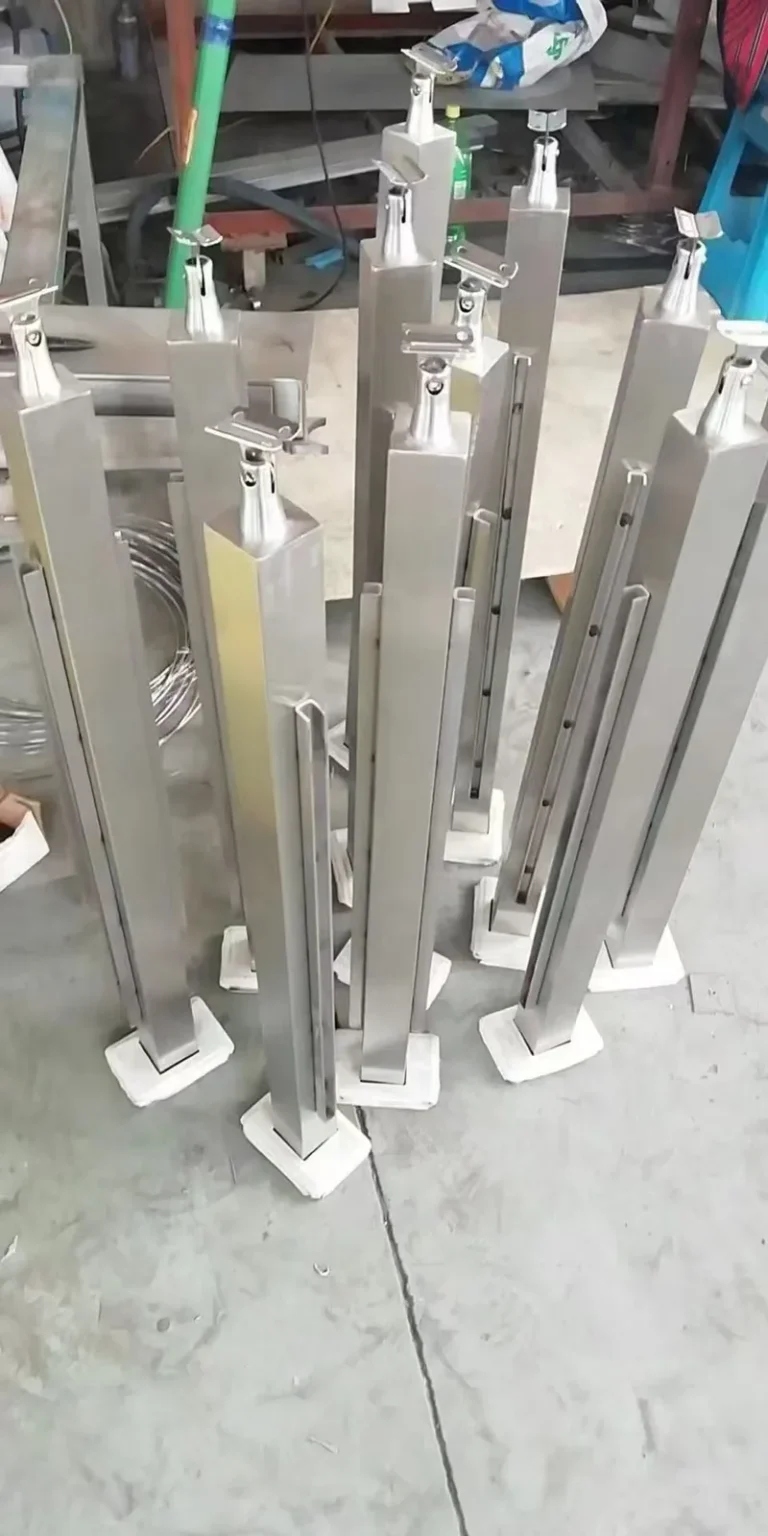
Critical checks can include post height, base-plate geometry, post-to-base orientation, anchor-hole pattern, glass-fitting centres and projection, handrail-support height and angle, and any handed orientation. Use equipment with suitable capability and calibration status. A row of “pass” marks without actual results is weak evidence when measured values are contractually required.
Step 4: verify material, welds and finish separately
Appearance cannot confirm stainless steel grade. Match the sample to the required material evidence and traceability level. If the order requires grade verification or testing, define the method and acceptance criteria before the sample is made.
Inspect specified weld characteristics at the appropriate stage. Final grinding can alter or conceal evidence, so fabrication acceptance and cosmetic acceptance should remain distinct. Our weld finishing and inspection guide explains this sequence.
For finish approval, use a physical reference when appearance is important. Record finish designation, visible faces, grain direction, acceptable transition areas and viewing conditions. Photographs are useful records, but lighting, white balance and screen differences make them an unreliable sole colour or texture standard.
Step 5: perform functional fit checks
A dimension can be within its limit while the assembly still fails because the mating information was incomplete. Test the first article with approved anchors, glass clamps or adapters, gaskets, handrail brackets and representative mating parts where practical. Confirm tool access, fastener engagement, adjustment range and visible alignment.
For a square tube glass balustrade post, the check may include clamp orientation, opposing or single-side layouts, and straight or stair handrail supports. A fit check demonstrates interface compatibility; it does not by itself prove the structural capacity of the installed railing.
Step 6: control every deviation before release
Do not silently convert the sample into the new specification. Record each nonconformity and decide whether it will be corrected, accepted by authorised concession, or incorporated through a controlled drawing change. The decision must identify its scope: the one sample, a particular batch, or the revised design.
Approval outcomes can be simple:
- Approved: all required evidence is accepted and production may proceed.
- Conditionally approved: production may proceed only under the written conditions and verification points stated.
- Rejected or rework required: do not release production until the named issues are corrected and rechecked.
Name the buyer, technical approver and supplier representative, and record dates and signatures or an equivalent controlled electronic approval.
First article approval is not batch sampling
FAI asks whether the initial production-intent item and process interpretation conform to the released requirements. Acceptance sampling asks whether a lot should be accepted using results from a defined sample. These are different controls.
ISO 28590:2017 provides an introduction to the ISO 2859 series for acceptance sampling by attributes. A buyer may specify a sampling plan for later batches, but neither an arbitrary inspection percentage nor first article approval should be presented as universal assurance. The contract should define characteristics, lot formation, sampling plan, acceptance rules and responsibility.
When should first article approval be repeated?
Repeat triggers must be agreed rather than invented after a problem. Depending on the contract and risk, a new or partial FAI may be required after a drawing revision, material or source change, process or tooling change, transfer to another manufacturing site, long production interruption, major corrective action or change to a critical mating component.
Define which characteristics need revalidation. A label revision may not justify repeating every dimension, while a fixture change could affect several interfaces. Preserve the original report, approved deviations and change history so the decision is traceable.
Can a buyer approve the first article remotely?
Remote approval can work when responsibilities and evidence are explicit. Request an indexed report, clear photos with part identification, material documents, instrument information, and video or live witness points where useful. Specify whether the physical sample must be shipped and retained.
Remote photographs cannot replace required measurements, reliable finish references or a physical fit test. If a characteristic cannot be verified remotely, record it as pending rather than marking it accepted.
Protect the approved reference
If a physical “golden sample” is retained, label it with part number, revision, approval date and controlled deviations. Protect it from corrosion, handling damage and unauthorised alteration. State whether it is an appearance reference, dimensional reference or assembly reference; one sample should not be assumed to govern unrecorded characteristics.
Keep the report linked to later inspection records. Comparing supplier proposals also becomes clearer when sample, inspection and documentation costs are separated from unit price; see the stainless steel post quotation comparison guide.
Working with BalusterPost on a first article
BalusterPost coordinates drawing-based stainless steel baluster posts and stainless steel railing posts from Taizhou, Jiangsu, China. For a first-article review, send the released drawing package, post schedule, material and finish requirements, mating-component data, required records, approval authority and production-release rule.
Contact Ryan Liang, Export Manager, to define the approval scope before the sample is produced. We can organise the submission around the agreed evidence; project design approval, structural responsibility and final acceptance remain with the authorised parties named by the contract.
Frequently asked questions
Is a first article the same as a prototype?
No. A prototype may explore design or appearance using non-production methods. A first article should represent the released requirements and intended production process to the extent defined by the contract.
How many railing posts should be included?
There is no universal quantity. Select enough samples and variants to cover the risks defined by the buyer, such as straight, stair, corner or handed configurations.
Does first article approval authorise mass production?
Only when the agreed approval record says so and all stated conditions are satisfied. A submitted sample or informal photo approval should not be treated as an automatic production release.
Does FAI replace incoming or pre-shipment inspection?
No. FAI validates an initial item and its interpretation of the specification. Later lot controls assess continued conformity under the agreed inspection and sampling plan.
Should the approved sample be retained?
Retain it when the contract or risk plan calls for a physical reference. Label its purpose and revision, protect it, and keep the corresponding report because the sample alone cannot communicate every acceptance requirement.