Approve a tamper-resistant glass clamp screw as a complete fastener and maintenance change. Confirm the drive, head seat, dimensions, material and supplier-approved connection, then prove that the authorized service team can reach and remove it with the intended tool. A matching thread alone does not establish that a security screw suits the clamp.
State the interference the project wants to discourage
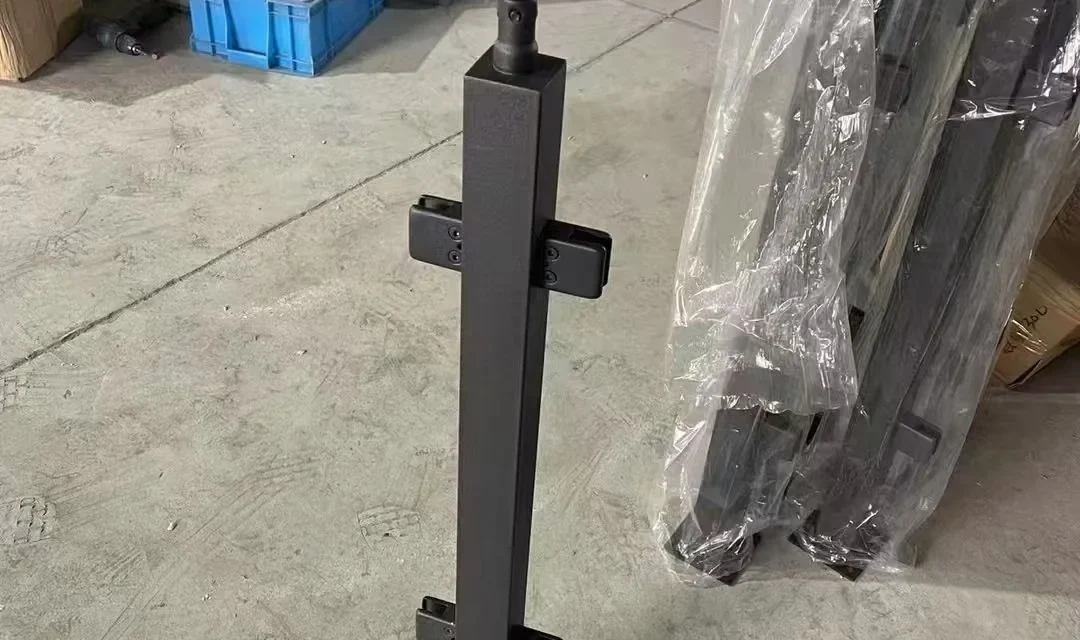
Ask the owner what access needs control and which fastener is involved. A glass clamp can contain body-closing screws and separate mounting screws. Identify each on the supplier drawing so the proposed security feature addresses the intended connection.
Fastenright’s guide to one-way and reusable security fasteners explains why maintenance requirements affect the choice. Use it as fastener background. BalusterPost’s clamp partner must confirm any actual alternative for the supplied model; this guide offers no security-screw availability claim.
Compare the whole screw, including its seat
Send the existing and proposed screw drawings to the clamp source. Compare thread, length convention, head diameter and height, underside seat, material and any finish. Check the approved assembly instruction and evidence for the changed fastener.
A security drive can be incorporated in a screw with a different head profile. If its seat or projection differs, the connection may need a separate fit review. Record any other altered component rather than treating the drive shape as the only change.
Prove tool access on the assembled sample
| Review item | Information required | Buyer action |
|---|---|---|
| Fastener | Complete screw drawing and approved seat | Confirm supplier compatibility |
| Tool | Bit and holder envelope | Demonstrate installed access |
| Maintenance | Removal plan, spares and tool custody | Accept the service arrangement |
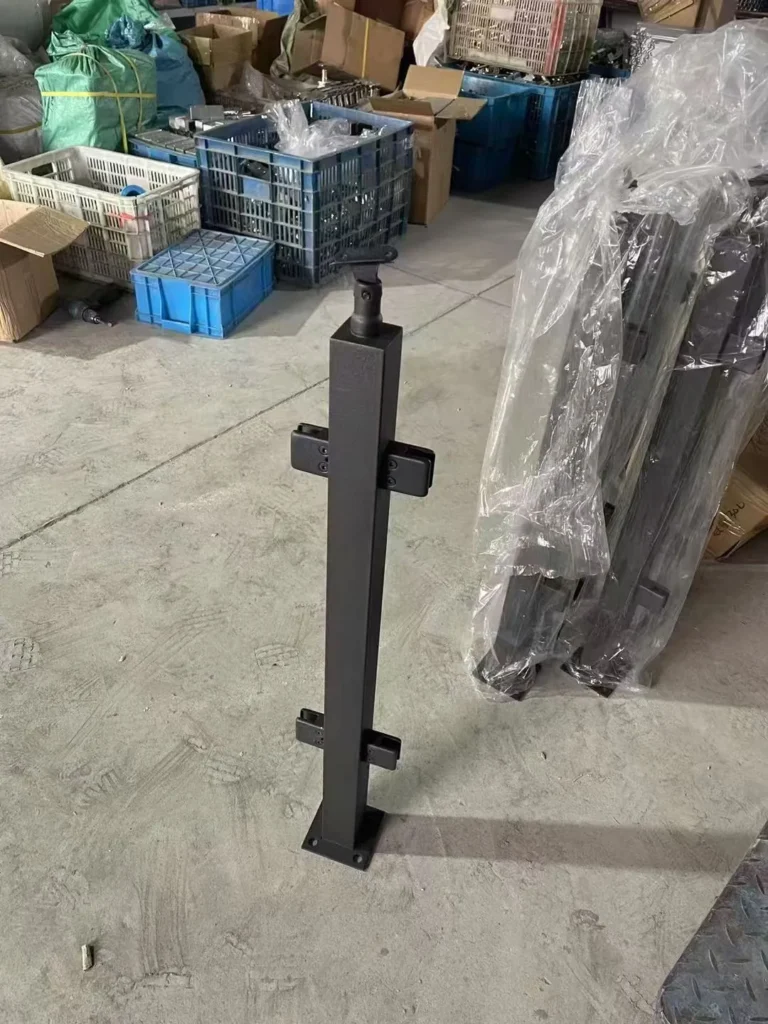
Use the actual security bit, extension or key identified for the service team. Check the assembled post and glass arrangement, including handrail brackets or covers that obstruct access. The tool-access guide provides the starting geometry checks.
An illustrative removable clamp cover
A public installation specifies a security drive on an accessible clamp screw. The bit fits the loose screw but the assembled handrail bracket prevents the chosen holder from reaching it. The review needs the complete tool envelope and an accepted service sequence.
Ask whether a different approved tool arrangement or revised detail is feasible. Keep the glass support and removal plan with that decision. A permanent fastener may complicate future pane replacement, so the owner should understand the accepted maintenance route before release.
Put service tools and spares in the handover
Record who receives the specialist tools, their references and where authorized replacements can be obtained. List approved spare fasteners and prohibit unreviewed substitutions through the project change process.
For a B04AF clamp enquiry, send the security requirement, proposed screw and the post interface through the project enquiry. Ask the specialist source to confirm the complete assembly and instructions rather than ordering from drive appearance.
How should the sample approval be worded?
Identify the approved screw and tool combination, checked access positions and any removal sequence. Record limitations and the reviewer’s authority. The sample can establish the observed fit and access; structural acceptance follows the relevant system evidence.