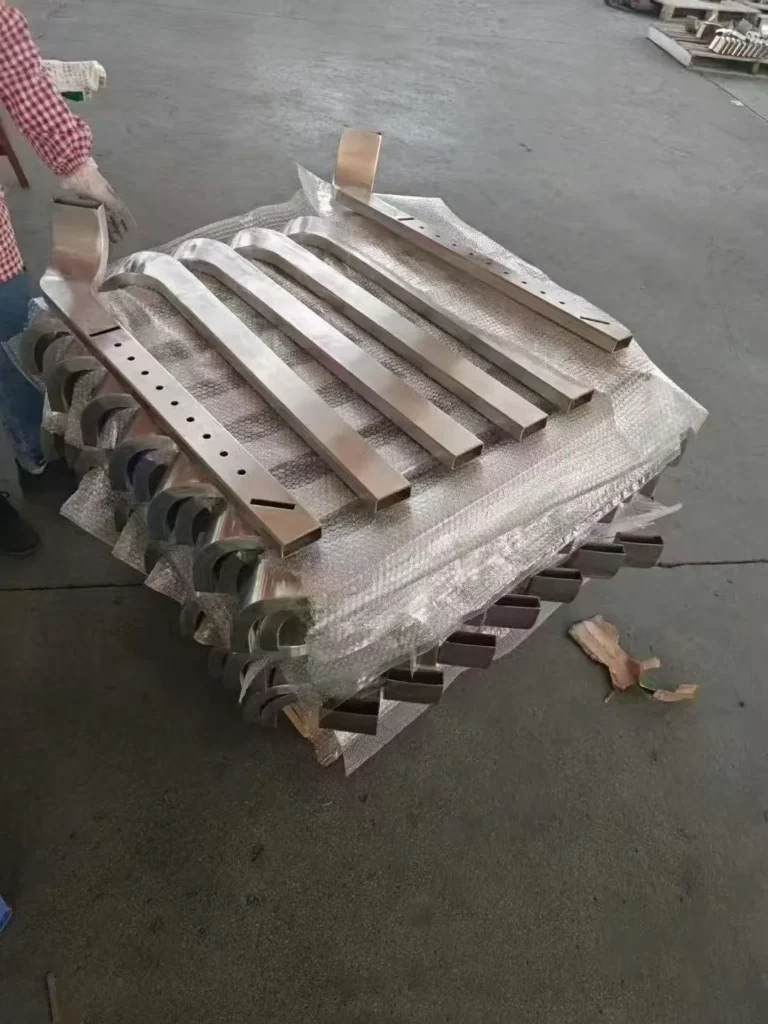
Stainless steel baluster posts are the structural backbone of most modern glass and bar infill railings. The two grades you will meet most often are 304 and 316L. Both are austenitic stainless steels, but their corrosion resistance differs enough to matter for outdoor and coastal projects.
What “304” and “316L” actually mean
304 contains about 18% chromium and 8% nickel. 316L adds 2–3% molybdenum, which sharply improves resistance to chlorides — the salt in coastal air and de-icing chemicals. The “L” means low carbon, which reduces weld corrosion.
Corrosion resistance
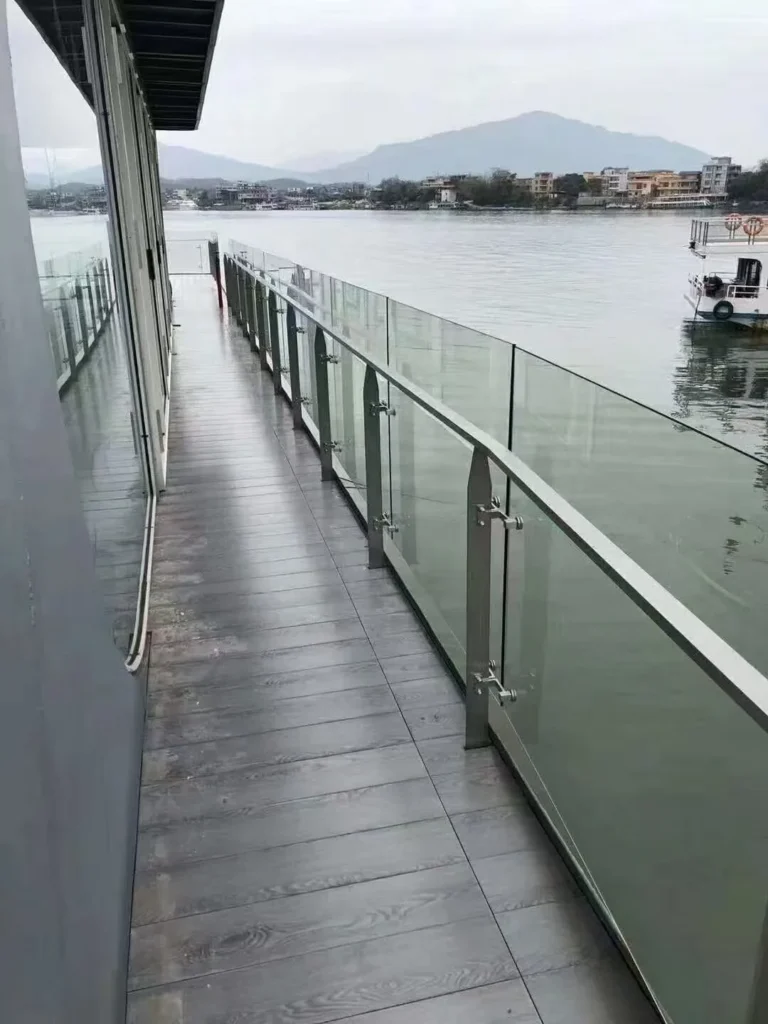
For baluster posts in dry inland areas, 304 performs well and is the cost-effective default. Within a few kilometres of the sea, or anywhere subject to pool splash and road salt, 316L is the safer choice and is what we recommend for coastal and high-humidity projects.
Cost and availability
316L typically costs more than 304 because of the molybdenum and nickel content. The price gap is usually small relative to the total railing project, so specifying 316L for exposed locations is often the better long-term value.
How to decide
- Inland, sheltered, interior: 304 stainless steel baluster posts.
- Coastal, poolside, humid or industrial: 316L stainless steel baluster posts.
- Uncertain? Send us the installation location and we will recommend the grade.
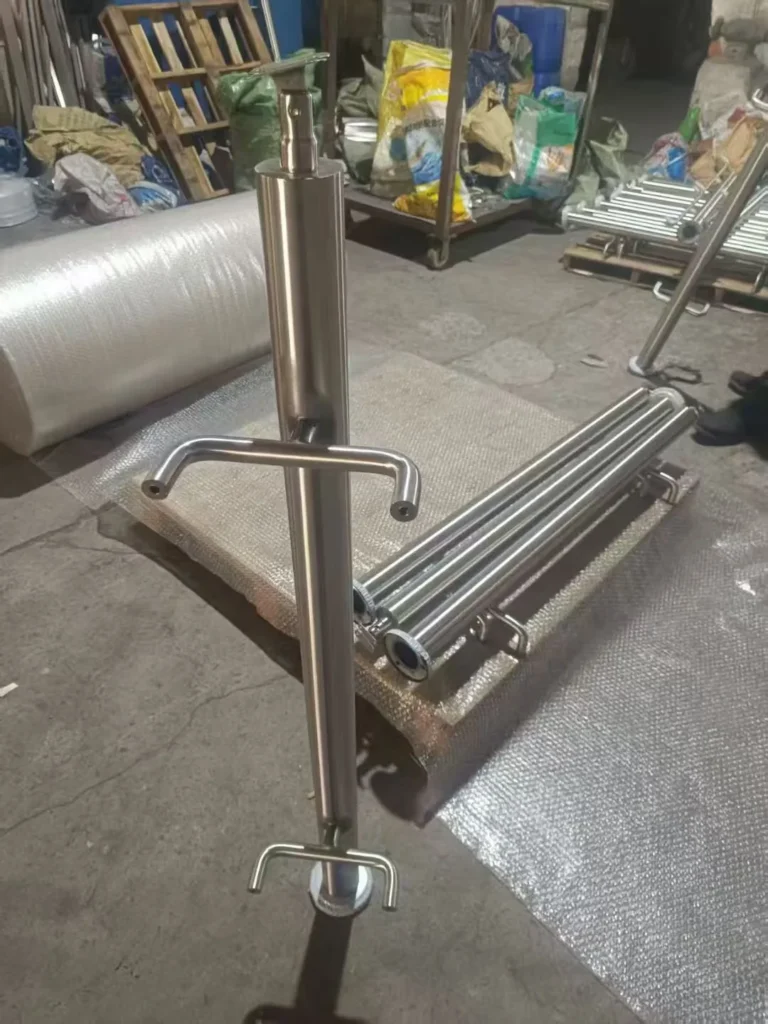
All posts are produced at our production base in Taizhou, Jiangsu and can be supplied to your drawing, including custom heights, mounting type (floor or side mount) and surface finish (satin or mirror).