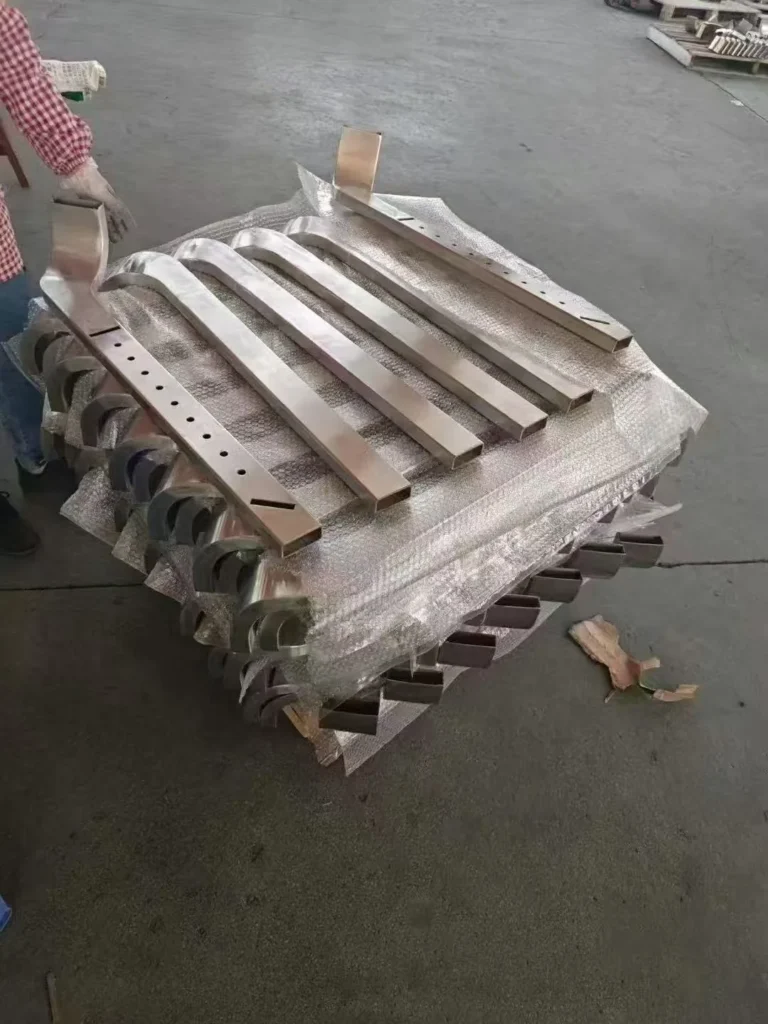
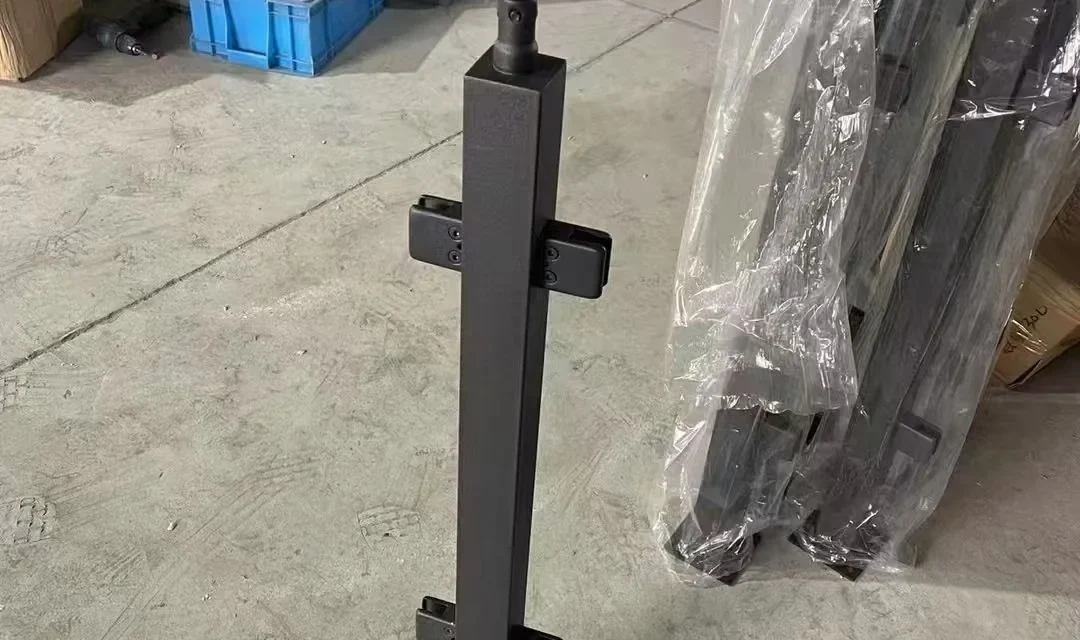
Choose D-shaped or square glass clamps by separating appearance from the actual mounting interface and approved assembly. The front outline describes the body shape; it does not establish the post profile, glass compatibility, material or load capacity. Compare exact model drawings and component references first, then select the visual form that meets the project requirements without changing an already approved connection by assumption.
What does D-shaped actually describe?
In a glass clamp description, D-shaped normally refers to the visible body outline. Square or rectangular descriptions also concern a visible shape, although terminology and proportions vary among suppliers. These words help identify a style. They do not provide a complete purchasing specification and should not be used as the only identifier on an order.
Keep the body outline separate from the rear mounting surface. A buyer can need a particular front shape and a connection for a particular post at the same time. Confusing these two choices can lead to a fitting that looks correct from the front but does not match the supporting member.
Does a square clamp require a square post?
Not as a universal rule. What matters is the exact rear connection provided for that model and variant. The visible front outline is insufficient to determine it. An enquiry should identify the post section and the actual interface drawing instead of asking the supplier to infer a connection from the word square.
Bohle’s official clamp catalogue lists body shape and pipe connection as separate product characteristics, with model-specific variations. This is a useful first-party illustration of the distinction. Its catalogue ranges, materials and approvals belong to those named products; they are not specifications or availability claims for clamps supplied through BalusterPost.
Which comparison fields should a buyer use?
| Comparison field | What to identify | What shape alone cannot establish |
|---|---|---|
| Visible outline | Body drawing and appearance sample | Glass compatibility or capacity |
| Rear connection | Flat, radius or other specified interface | The correct post connection from the front view |
| Glass assembly | Approved build-up, inserts and retention components | A universal thickness range |
| Fixing package | Exact references and supply boundary | Interchangeability with another body style |
| Surface specification | Material evidence and approved finish | Grade from colour or polish |
Use the same fields for both shortlisted shapes. This keeps the comparison about compatible assemblies rather than comparing one complete kit with another bare body. If a field is unresolved, identify it explicitly before requesting a final commercial comparison.
Are square glass clamps stronger than D-shaped clamps?
There is no reliable universal strength ranking based on those labels. A larger-looking body, a squared corner or a rounded edge does not establish the performance of a complete glass support arrangement. Capacity and suitability must come from the actual product documentation and the project review, including the glass, fittings, posts and building connection.
A distributor should therefore avoid descriptions such as heavy duty merely because a clamp looks substantial. If a manufacturer provides a performance statement, retain its scope, configuration and conditions. Do not remove those conditions when creating a product comparison sheet or transfer a result from a visually similar fitting.
How should appearance be evaluated usefully?
Compare the body against the complete post and panel arrangement, not a large isolated product photograph. Consider the visible face, screw covers, relationship to the post edges and consistency between level and stair positions. Use a finish sample under the agreed viewing conditions so the buyer can distinguish a preferred body outline from differences caused by lighting or surface treatment.
Where an architect has selected a style, identify whether the selection is appearance only or includes a named approved assembly. A different shape may be an acceptable visual alternative but still require technical review. Conversely, a technically compatible component may fail the agreed appearance brief. Record these decisions separately rather than treating a single sample approval as approval of everything.
Can the same inserts and screws be reused?
Do not assume that parts transfer between D-shaped and square bodies, or even between similar bodies from the same supplier. Ask for the approved component references for each exact model. A screw that enters a thread or an insert that fits inside an open body has not thereby been demonstrated suitable for the intended assembly.
Make the comparison sheet show whether inserts, retention devices, covers and fixing components are included. The glass clamp selection guide covers the wider assembly checks. This article focuses on the earlier mistake of using visible outline as a substitute for those checks.
A practical alternative-offer example
Suppose a distributor requests a D-shaped stainless steel glass clamp for a defined square post and a released glass schedule. A supplier offers a square-bodied alternative with a similar finish. The buyer should ask whether it is a visual alternative within a documented compatible assembly or a different connection requiring revised glass and post details.
Compare the rear interface, mounting position, glass engagement information, fixing references and complete contents before reviewing price. If the alternative changes a controlled drawing dimension, return it to the appropriate reviewer. This hypothetical example does not imply that either body is available in a particular size or that either is better; it shows how to keep a substitution decision traceable.
How can product photographs help without misleading?
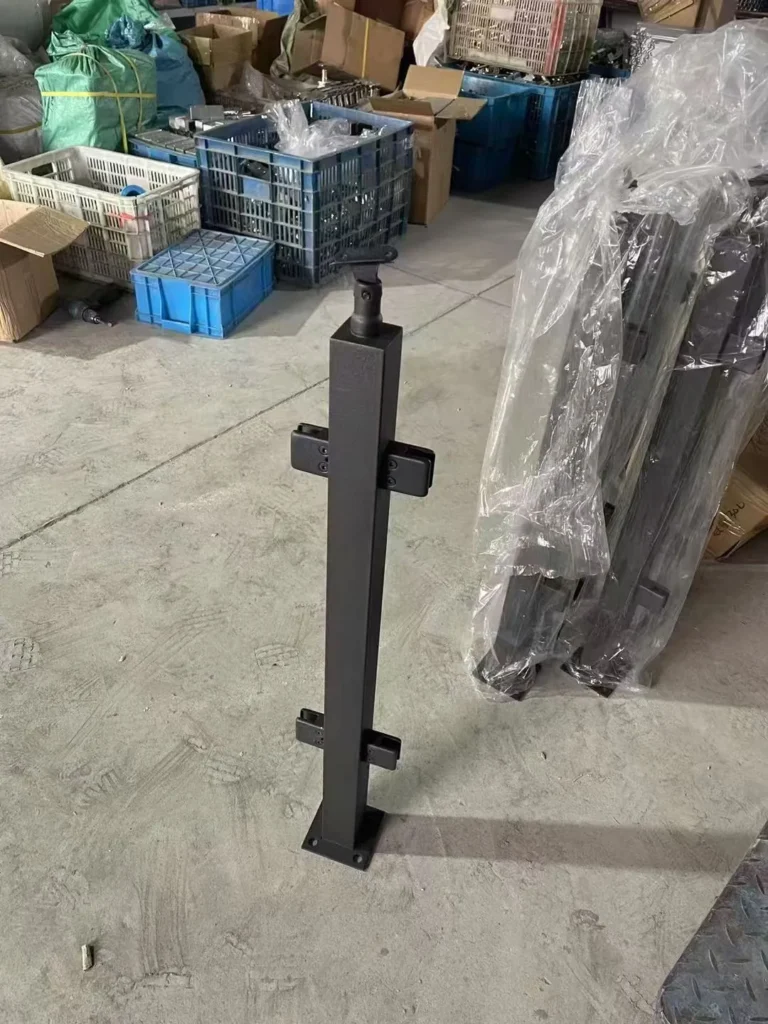
Photographs are useful for visible shape, finish and broad component recognition. They are less reliable for identifying concealed surfaces, material grade or the contents of a delivered kit. Request rear and side views together with the drawing when the mounting interface is important. Keep image captions factual rather than claiming that the photo proves a test or inspection.
The square-post product page shows the commercial post context for coordinated fittings. It does not establish that every photographed clamp can be supplied in every outline or rear connection. BalusterPost manufactures the stainless steel posts and coordinates glass clamps through qualified specialist manufacturing partners.
What belongs in a shape-specific RFQ?
Use a real product reference as the starting point. The B04AF clamp-type glass clamp listing provides an identifiable enquiry reference; ask for its applicable drawing and confirmed variant rather than assigning a D-shaped or square alternative by guesswork. The visual-style comparison does not establish an available alternative for that product.
For two shortlisted bodies, request side-by-side drawings using the same orientation. Mark the visible outline, post contact face and glass position separately. If the reference points differ, have the supplier explain the difference before comparing overall dimensions. This prevents a dimension measured across a decorative cover from being mistaken for the mounting or glass-contact reference used by another model.
- State the preferred body outline and whether alternatives may be proposed.
- Identify the post section and exact mounting surface.
- Attach the glass schedule and applicable assembly drawing.
- List the required material, finish sample and complete component package.
- Ask for model references and differences between any alternative offers.
- Separate appearance approval from technical acceptance and commercial approval.
Send that information through the glass fitting and post enquiry route. If the initial request contains only a picture, label uncertain features rather than inventing a model name. The objective is to turn a visual preference into a checkable component requirement before the order is placed.
D-shaped and square clamp FAQ
Does stainless steel colour establish the material?
No. Colour and finish descriptions do not replace a material specification or the agreed evidence for the actual product.
Can a buyer choose solely by the cheapest body?
Compare the complete compatible package and any drawing changes first. A body-only price does not show the cost of the whole connection.
Must every clamp in a project look identical?
That is an architectural and supply decision. Different locations may require different documented arrangements; any appearance variation should be reviewed openly rather than hidden by a generic item description.