
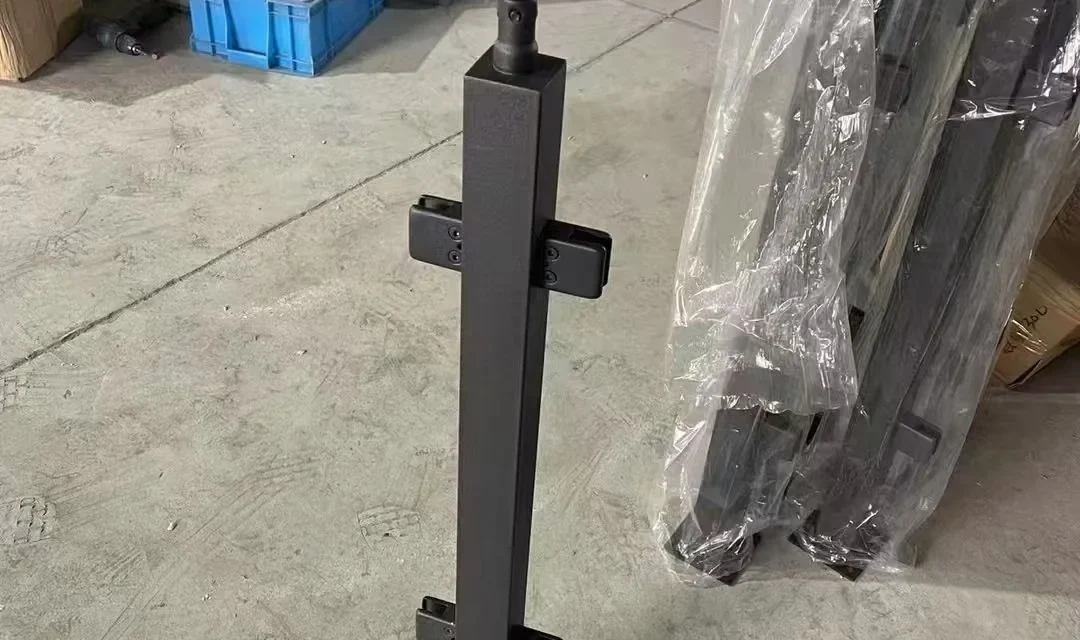
Approve the visible finish of glass clamps alongside the actual stainless steel post reference, using identified samples and agreed viewing conditions. Matching finish names do not establish a matching appearance across different components. Define which faces and combinations matter, record acceptable variation and confirm the supplied assembly before treating a clamp sample as approval for the whole railing package.
Why can matching finish descriptions leave an open question?
A buyer may order a brushed post and brushed clamps while never comparing them together. The words identify a broad appearance request, but they do not record the customer’s decision about the completed combination. The question is therefore not simply whether both items have the same label; it is whether the proposed pair meets the agreed appearance requirement.
This article addresses visual coordination in purchasing. It does not define corrosion performance, coating durability or structural compatibility. Those remain separate requirements. A visually acceptable clamp must still be the correct assembly for the glass and mounting interface.
BalusterPost manufactures stainless steel posts and coordinates glass clamps through qualified specialist manufacturing partners. It is not presented here as a glass clamp manufacturer. The proposed partner-supplied fitting and the manufactured post should have their own identified references within the combined order.
Which components should be compared together?
Identify the post, clamp body and any visible cover or fastener included in the appearance review. If an insert or other component is visible in the completed assembly, clarify whether it falls within the agreed scope. A loose clamp body may not show everything the customer will see after installation.
Start with the glass clamp category and the relevant stainless steel post family, then request the actual proposed references. Do not infer a matching pair from separate catalogue photographs taken under unrelated conditions.
Record the intended installed orientation. A comparison made with a clamp laid flat beside a post does not necessarily represent the same visible faces as the assembled configuration. The sample arrangement should answer the buyer’s real appearance question.
How should an appearance sample be identified?
Give each sample a reference that connects it to the component model, finish description and approval record. State whether it is a production representative, an appearance-only reference or a preliminary option. Those categories carry different implications and should not be collapsed into a generic approved sample label.
The clamp sample approval checklist covers the broader component review. For finish matching, retain the paired references: the accepted clamp sample and the post reference against which it was compared.
If the post sample changes, review whether the clamp comparison needs to be repeated. An accepted clamp-to-post combination depends on both sides of the comparison. Replacing one reference while retaining the old approval without explanation can create a disagreement at delivery.
What should the visual comparison record contain?
| Field | Record | Why it matters |
|---|---|---|
| Component pair | Post and clamp model references | Defines the reviewed combination |
| Sample identity | Physical references and dates | Allows a later comparison |
| Visible faces | Installed orientation and viewing area | Prevents approval of the wrong surface |
| Conditions | Agreed comparison arrangement | Keeps the review understandable |
| Decision | Accepted, conditional or unresolved | Separates preference from release |
| Scope | Applicable order, parts and batches | Avoids unlimited implied approval |
Use specific observations where possible, such as the visible texture direction differs from the accepted reference. Avoid a vague note saying not premium enough. The supplier needs to understand the actual difference before proposing another sample or confirming a limitation.
Can phone photographs establish an exact match?
Photographs are useful for recording the sample arrangement and communicating obvious differences. They should not automatically be treated as an exact appearance measurement. Reflections, exposure and display settings can influence what a reviewer sees, so agree whether physical comparison is necessary for the order.
When an instrument-based colour or gloss requirement is needed, identify the actual method and acceptance criterion with the responsible parties. This guide does not prescribe a universal numerical difference or tolerance. Do not introduce a new measurement requirement after approving a sample without addressing the commercial and technical implications.
A remote review should record its limits. If the customer approves a photographic shortlist but reserves final acceptance for physical samples, preserve that condition in the release record. The supplier should not receive a screenshot of approved without the condition that accompanied it.
How should brushed and coloured combinations be handled?
For a brushed combination, identify the relevant direction and visible texture rather than relying on the shared finish name. For coloured components, identify the accepted colour and appearance references for each item. Do not assume a trade name guarantees identical results across different component constructions or finishing routes.
Keep the actual material and finish specifications separate. A matching appearance does not establish that a clamp and post have identical material grades or treatment. Ask the supplier to confirm the proposed specifications rather than using the sample colour as material evidence.
If the requested combination is not available, compare confirmed alternatives and obtain the buyer’s decision. Do not describe an unverified custom option as an established capability merely to keep an enquiry moving.
What happens when one component is substituted?
Identify whether the substitution affects appearance, fit, supplied components or documentation. A visually similar replacement can still have a different interface. Conversely, a functionally accepted substitute can require a fresh appearance decision if it changes the visible combination.
Record the new pair of references and the scope of acceptance. If the change only applies to a replacement delivery or a particular project area, say so. Do not silently update the master reference for all future orders unless that wider change has been approved.
For example, a distributor may accept one clamp finish for concealed positions but require a closer visual match on a prominent entrance railing. Keep those decisions separate in the order and picking records so warehouse staff are not left to infer where each item belongs.
How should receiving inspection use the approved pair?
Identify the delivery references before comparing appearance. Select the relevant post and clamp configuration and set them beside the retained references in the agreed arrangement. Record which items were actually inspected; a comparison of one pair should not be described as inspection of every component in the shipment.
If a difference is observed, photograph the comparison and identify the affected supply lines. Keep the components available for review instead of mixing them into installation stock. Ask the supplier to assess the specific observation against the accepted sample and scope.
The buyer’s response may be acceptance, a request for further comparison or a hold pending an agreed disposition. Record the decision without replacing the original reference merely because a different result has arrived. If the customer accepts a new appearance, state whether that decision is limited to this delivery or changes the baseline for future orders.
Glass clamp finish matching FAQ
Does the same finish name prove a match?
No. Review the actual proposed components against identified references and agreed appearance criteria.
Can finish approval replace compatibility approval?
No. Glass build-up, gasket, mounting interface and applicable assembly information require their own confirmation.
Should a sample approval cover every later batch?
Define the scope explicitly. Retain the reference and agree how subsequent deliveries will be compared.
What should I include in the enquiry?
Send Ryan Liang the proposed post and clamp references with the appearance requirement. Identify the visible faces and whether the customer requires a paired physical sample before ordering.




