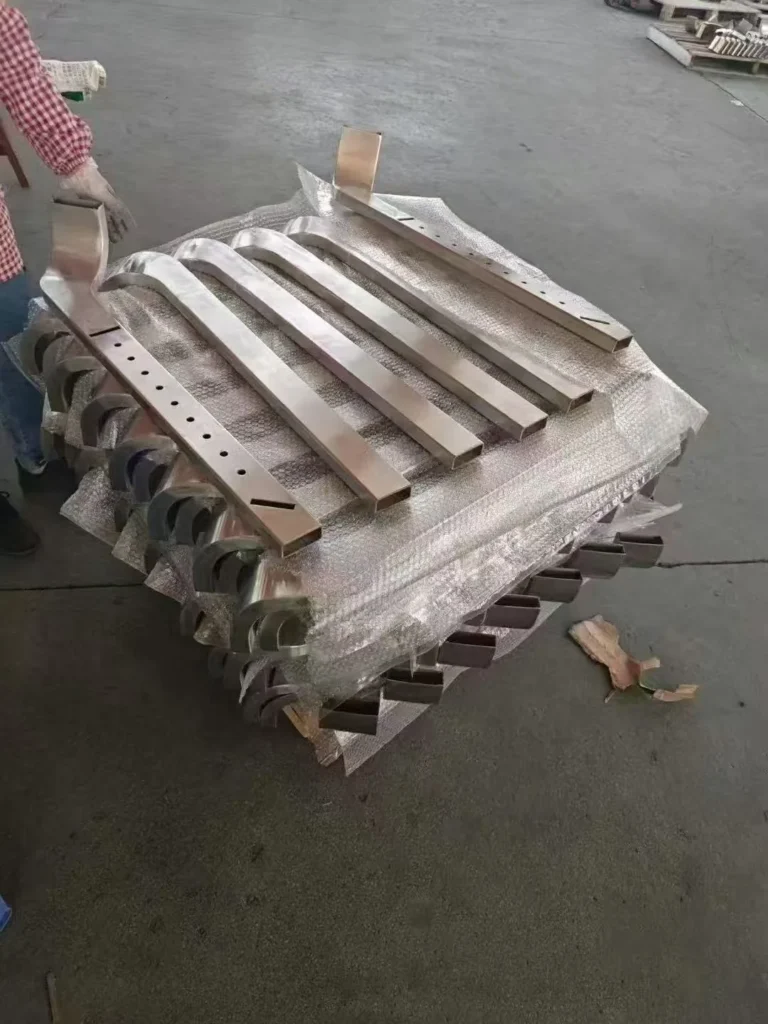
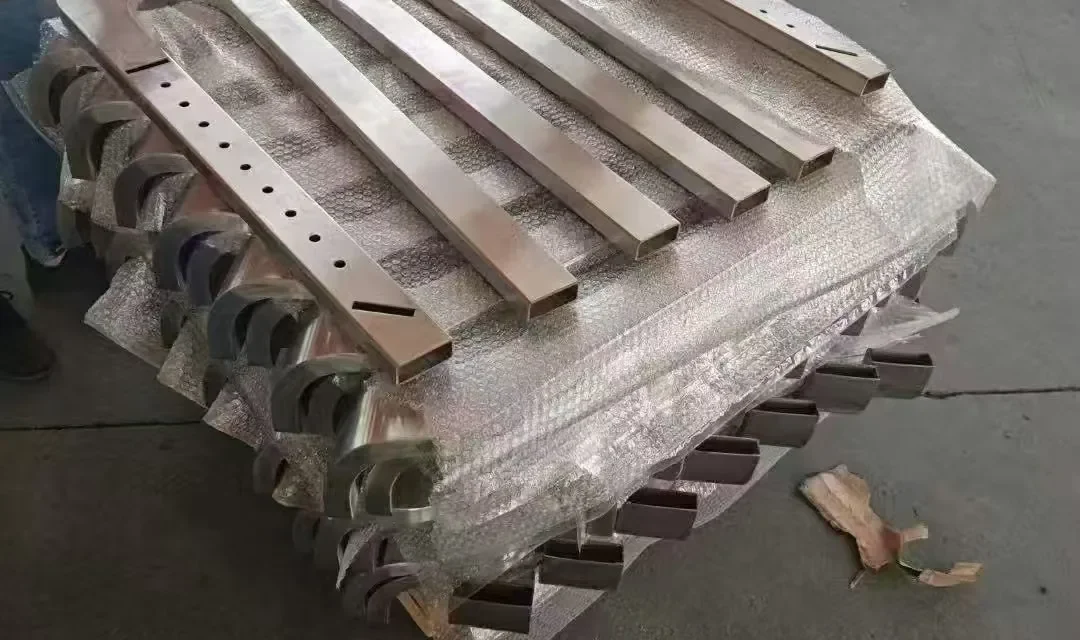
Review drainage details for hollow stainless steel railing posts on the approved project drawing before fabrication. Identify where water could enter, where it is intended to leave and which parts of the installation could obstruct that route. Do not add a hole, sealant or closure on site by assumption: the responsible designer and supplier must confirm the detail for the actual post and connection.
What is the buyer deciding?
For this related decision, review filling hollow stainless railing posts before releasing the affected work.
The procurement decision is whether the ordered post contains the approved details and whether their purpose is understood by the installation team. This guide does not prescribe a drain-hole diameter, location or sealing system. Such details depend on geometry, exposure, finishes, supporting construction and the project design.
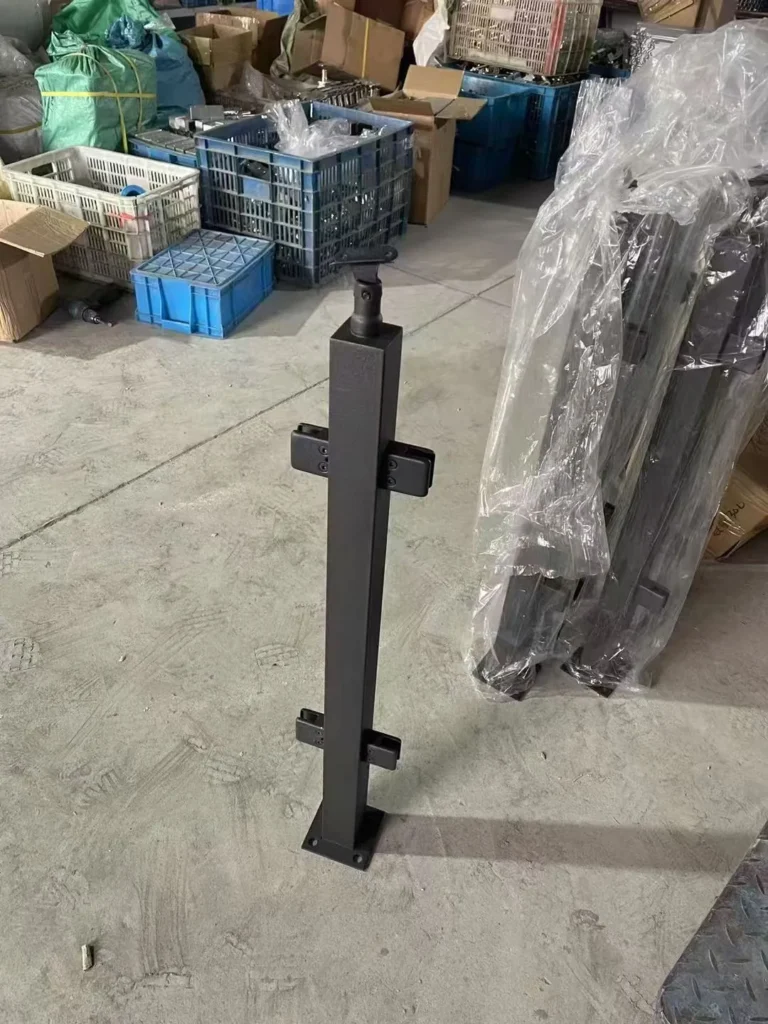
BalusterPost manufactures stainless steel posts. Related fittings may come from specialist manufacturing partners, so a post drawing should identify which interfaces are covered and which need separate coordination. A general product photograph cannot establish the internal drainage arrangement.
Where should the review start?
Start with a section through the actual assembly. Mark the top closure, attached fittings, internal cavity, base connection and surrounding construction. Ask the designer to identify intended water-management features and any restrictions on their modification. Keep unknowns visible rather than assuming that a closed-looking component is watertight.
For a hollow square post, the drawing should distinguish intentional features from fabrication openings or unused fixing holes. An opening that appears convenient is not automatically an approved drainage outlet.
Which interfaces require coordination?
| Review area | Question for the project team | Record |
|---|---|---|
| Upper closure | What condition is assumed at the top? | Approved cap or connection detail |
| Attached fittings | Do penetrations affect the intended arrangement? | Referenced fitting and fixing detail |
| Base | Where does the intended route terminate? | Section including surrounding construction |
| Cover or trim | Could installation obstruct an intended opening? | Clearance and installation notes |
| Maintenance | How will the approved detail remain accessible? | Project care and inspection instructions |
Review the installed configuration rather than an isolated post on a workbench. Paving, grout, cover plates or applied sealant may change the surrounding conditions. The supplier needs the relevant interface information to produce the agreed part; the installer needs the same information to avoid defeating the intended detail.
How should drainage and material selection be discussed?
Material grade is one part of specifying an external stainless steel assembly. The BSSA guidance for external applications considers the application environment and design alongside material selection. A grade designation alone should therefore not be used to close unresolved construction-detail questions.
Do not turn this general principle into a universal rule that every hollow post must have the same hole or closure. Ask the responsible designer for the project requirement and retain the approved response. A procurement guide cannot determine the suitability of an unknown installed assembly.
What belongs on the fabrication drawing?
Show each approved feature with its position, dimensional reference and applicable tolerance. State any finish requirements at the feature and identify the controlling revision. If the feature is deliberately omitted in a particular configuration, make that difference clear in the post schedule.
The drawing tolerance guide explains the need for agreed measurement references. Here the important procurement point is that an inspector must be able to locate and compare the required feature against the actual part without interpreting an informal sketch.
What should be checked before shipment and installation?
Check presence, identity and dimensions against the approved drawing using the agreed inspection scope. Keep photographs or measurements where required by the order. Do not describe a dimensional check as proof that the finished project will drain correctly under every service condition.
At handover, identify features that must not be obstructed or modified, where those restrictions are part of the approved design. Keep the component instructions with the project package. If site conditions differ from the drawing, obtain a decision before completing dependent work.
Buyer FAQ
Can the installer drill an extra opening if water is observed?
Record the condition and seek an approved response. Do not assume that a field modification is acceptable merely because it appears to release water.
Does a sealed cap prove the post is watertight?
No. A visible closure is not evidence of a tested watertight assembly. Confirm what the actual specification requires and what evidence supports it.
Can a drain detail be copied from another supplier?
Use a detail only after it has been assessed for the actual assembly and project. Similar external dimensions do not establish identical internal construction or interface conditions.
What should be included in an RFQ?
Provide the approved post section and surrounding connection detail, with material, finish, quantities and any unresolved water-management questions. Ryan Liang can coordinate the fabrication enquiry; project design decisions must remain clearly assigned.