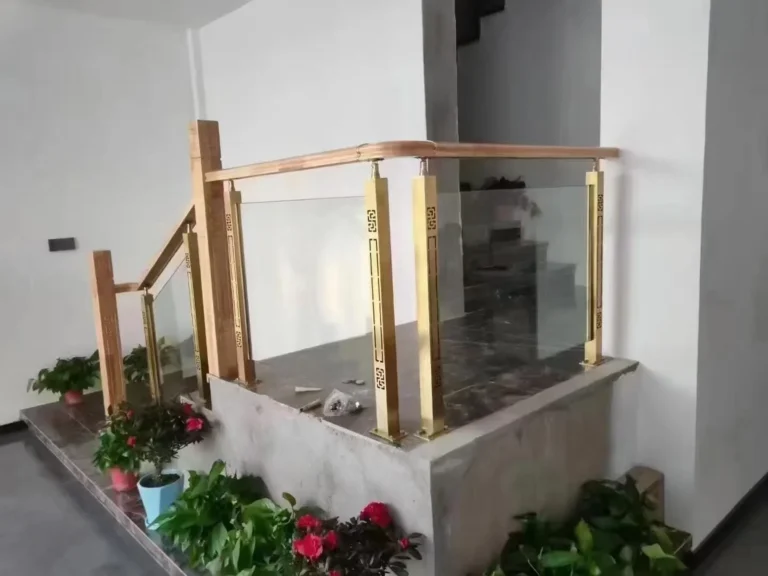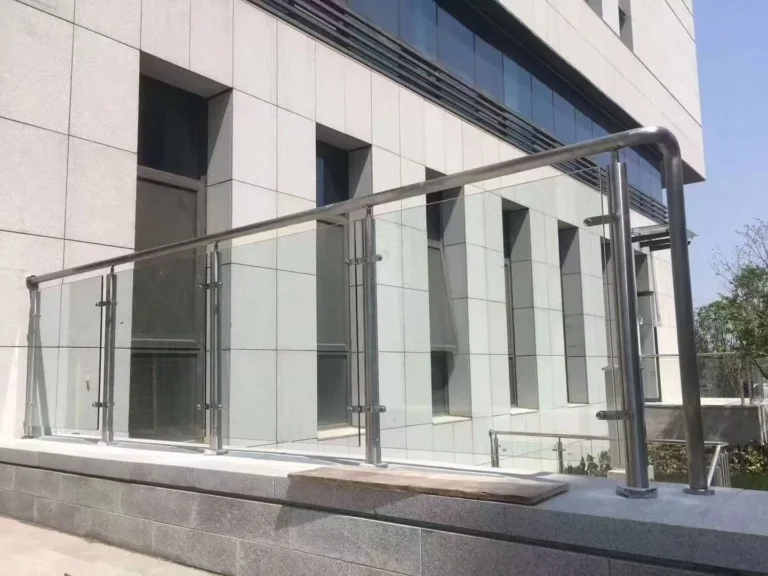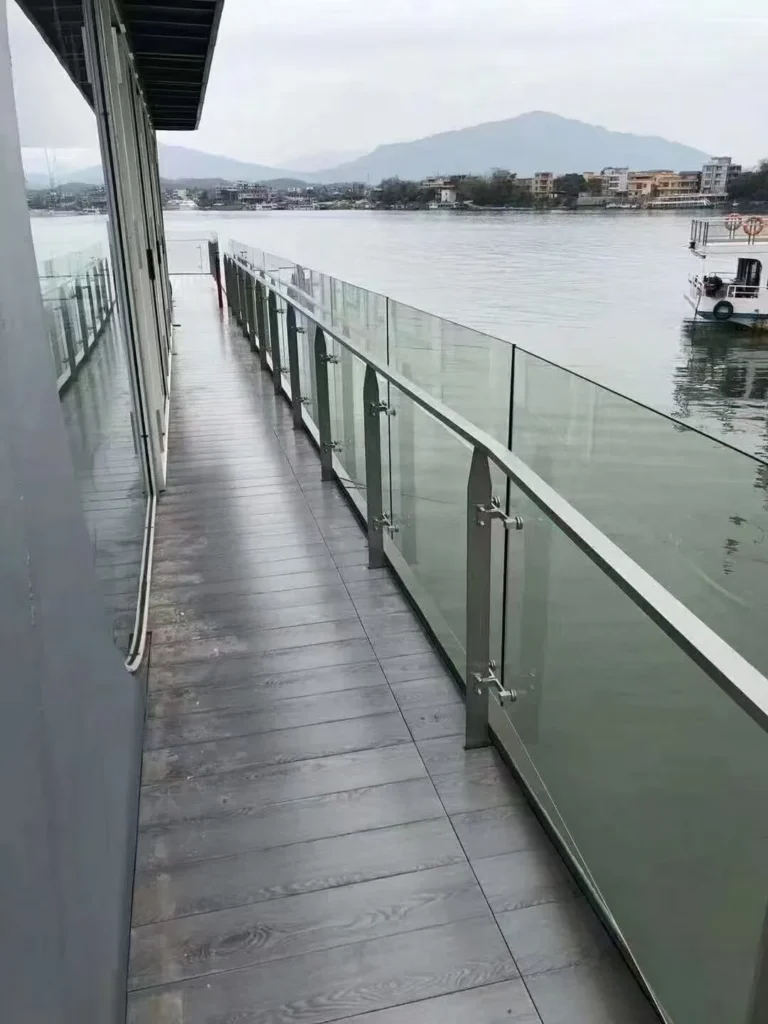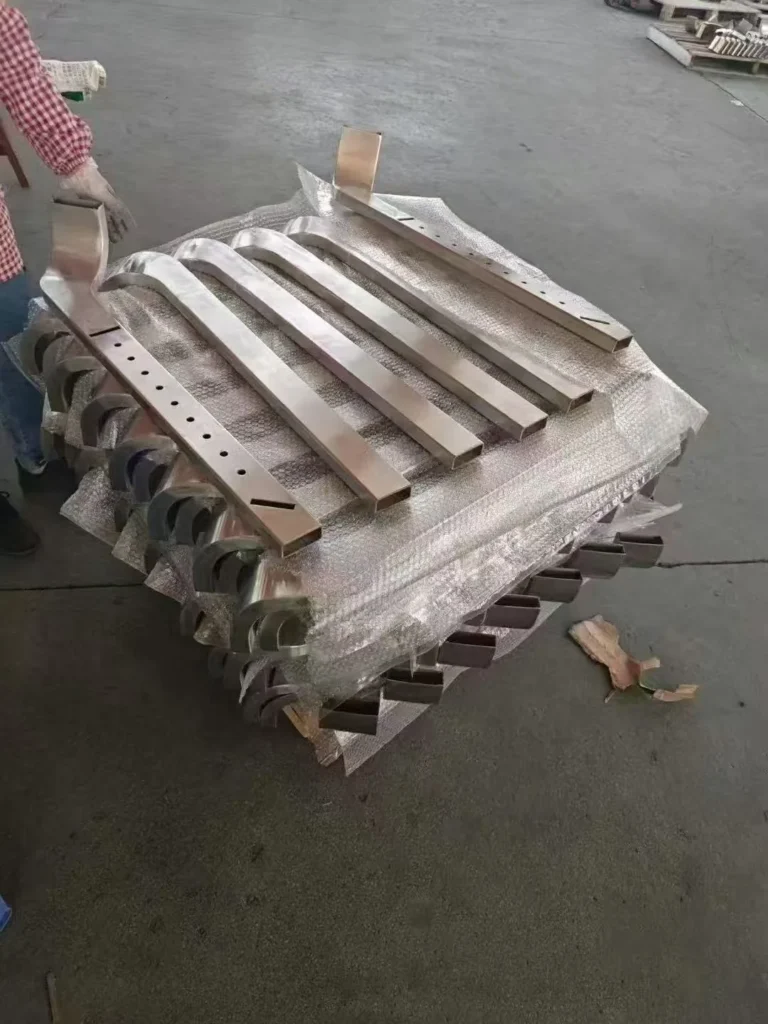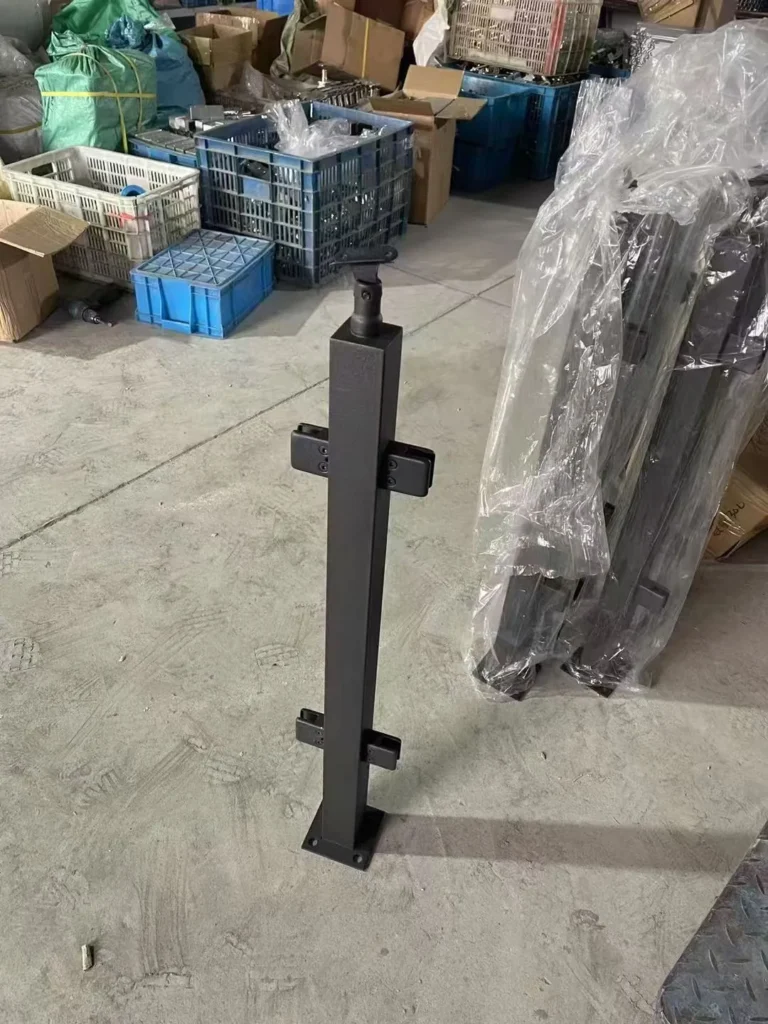
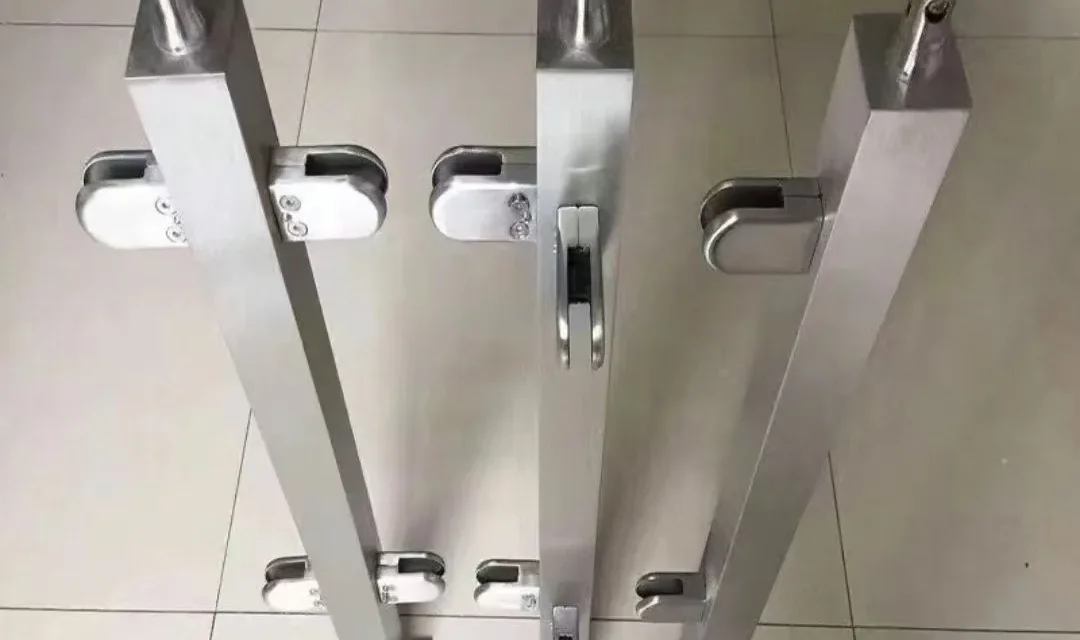
A stainless steel railing-post bill of materials (BOM) should identify every post variant and each fitting, fastener and document needed to deliver the agreed assembly. Give each line a quantity, drawing revision, material or finish where relevant, and a clear supply owner: included, supplied separately or by others. Approve the BOM with the drawings before ordering; a post photograph or generic quotation cannot establish the complete project scope.
What does a railing-post BOM actually control?
The BOM is a controlled list of deliverables, not a substitute for engineering drawings. It tells purchasing, production, inspection and installation teams what is being supplied and in what quantity. The drawing defines geometry and interfaces; the BOM names and counts the physical items and agreed documents. Both need the same revision reference.
For an overseas buyer, the most useful question is not merely “How many posts?” It is “Which complete configuration is priced for each location, and who supplies the parts that connect it to the deck, handrail or infill?” A difference in that answer can change the quoted scope even when two offers show the same post count.
BalusterPost’s core manufactured product is the stainless steel baluster or railing post. Related items such as glass clamps and other specialist fittings can be coordinated through qualified manufacturing partners when specified. List those items and their supply source separately; do not assume they are manufactured with the post or automatically included. See the FG1 stainless steel post configuration as one product reference, not a universal assembly schedule.
Which line items should buyers ask for?
Start with one BOM line per unique post assembly. Do not combine a straight-run post, an end post, a corner post and a stair post under one generic description if their holes, fittings, handedness, height or mounting differ. Link each variant to a drawing and a location or type mark on the project schedule.
| Line group | What to define | Scope question |
|---|---|---|
| Post body | Type mark, profile, material grade, finish, length, quantity and drawing revision | Are left/right and stair variants separate? |
| Mounting interface | Top, side or fascia arrangement; plate, welds, cover and hole pattern | Is the base cover supplied, and who approves the substrate fixing? |
| Handrail connection | Saddle or bracket form, rail interface, angle, orientation and fixings | Is the support included with the post or supplied by another party? |
| Infill connection | Glass clamp, pin, adapter or cable fitting type; quantity per post; gasket or insert | Is this a coordinated specialist-sourced item or buyer-supplied? |
| Fasteners and small parts | Screws, nuts, washers, sleeves, caps and visible plugs by application | Which fasteners are included, and which are site-selected anchors? |
| Documents and logistics | Approved drawings, inspection evidence agreed for the order, labels and package IDs | How will each variant be identified at receipt and installation? |
This table is a procurement framework, not a promise that every item is in every BalusterPost quotation. Mark “not applicable” where the design genuinely omits an item. Mark “by others” with a named responsible party rather than leaving the cell blank.
How do you distinguish post fabrication from coordinated fittings?
Use a supply-origin column alongside the commercial scope column. “Manufactured post component,” “specialist-sourced coordinated fitting,” “buyer-supplied” and “site-supplied” describe different responsibilities. An item may be included in one supplier’s commercial offer without being made by that supplier. The distinction matters when buyers request material evidence, replacements or interface changes.
For a glass-railing post, the stainless post may be fabricated to accept a defined clamp pattern, while the clamp, gasket and glass come from different supply streams. The approved clamp model and glass thickness must be compatible with the drilling or welded adapter detail. Do not infer compatibility from a similar-looking product image. Ask for the actual interface drawing, sample or agreed fitting reference.
Likewise, a canopy bracket, spider fitting, glass clamp or channel accessory should not be silently treated as BalusterPost’s own manufactured post. If a project requires those items, state the specialist partner supply scope and the acceptance evidence expected from that source. The post remains the core manufacturing focus.
What information belongs on each BOM line?
Give each item a stable identifier, description, quantity and unit. Add a drawing number and revision, material designation, surface finish, handedness and installation location when those fields affect interchangeability. The BOM should also indicate whether the item is included in the price, optional, excluded or supplied by others. If a status is unresolved, flag it before purchase-order release.
For tubing, a buyer might call out a project-specified welded stainless mechanical-tubing standard, but the standard reference alone does not settle grade, dimensions, finish or interface geometry. ASTM A554-26 identifies the current ASTM specification for welded stainless steel mechanical tubing; the order still needs its own product definition. Do not write a standard into the BOM simply because it sounds familiar—confirm that it is applicable to the purchased form and the project’s approved specification.
For dimensions on the linked drawings, identify the datums, hole centers and functional mating surfaces that the project designer has approved. A BOM cannot choose tolerances for a particular rail, glass clamp or anchor layout. That decision belongs in the approved engineering detail. Our drawing and tolerance guide explains why these interfaces need explicit control.
Which mounting and fastening gaps commonly cause disputes?
Separate the fabricated post base from the site anchorage. A base plate and cover can be part of the post assembly while the anchor type, embedment, edge distance and substrate assessment remain project-design decisions. Do not assume a supplier’s pack of generic bolts is an approved anchor design. State who specifies, supplies and installs each fixing, and which approved detail governs it.
Similarly, a fascia or side-mounted post may need a different plate, offset and handed orientation from a top-mounted post. The mounting-method guide helps identify these variants before finalizing the BOM. Record the transition locations separately; a single average configuration can hide the exact posts that are hardest to replace later.
For visible and concealed fasteners, specify function rather than only a bag count. A clamp-body screw, a handrail-support fixing and a structural anchor have different roles. Material and finish choices for any dissimilar-metal contact or outdoor exposure should follow the approved project detail. Do not make an unverified corrosion or load claim from the fastener description alone.
How should the BOM handle revisions and change orders?
Give the BOM an issue date and revision. Reference the same revision in the quotation, purchase order, approved drawings and inspection plan. If a post height, hole pattern or fitting model changes, revise both the affected drawing and the BOM line; do not rely on a loose email or a marked-up picture. Show whether the change affects quantity, compatibility, finish, packing or commercial price.
A practical approval loop is: project team assigns type marks and locations; supplier identifies manufacturing and specialist-sourced lines; buyer resolves “included/by others” statuses; engineering approves interfaces; both parties freeze the revision for production. New site measurements should be treated as a proposed change until they are reflected in the controlled documents.
At receipt, compare labels and counts against the frozen line items rather than opening boxes at random. If a project uses several visually similar posts, mark each package by type and location. That can expose a missing stair or end variant before installation begins. The first-article inspection guide explains how a sample or initial unit can be checked against the approved configuration before volume production.
A buyer’s pre-order BOM checklist
- Count each post variant against the latest location schedule; reconcile straight-run, end, corner, stair and transition positions.
- Attach a current drawing and revision to every non-interchangeable post type.
- List material grade, finish and visible grain direction where they are specified by the project.
- Identify base plates, covers, handrail supports and infill interfaces as included, optional, excluded or by others.
- Name each coordinated fitting model and the owner of its compatibility evidence; do not use a generic “accessories” line.
- Separate supplier-provided screws from project-designed structural anchors and site consumables.
- Agree package labels, any spare-part requirement and the inspection or material documents required for this order.
- Cross-check the BOM, quotation and purchase order for one frozen revision before releasing production.
Send the marked schedule, drawings and unresolved scope questions through the BalusterPost enquiry page. Ryan Liang, Export Manager, coordinates export enquiries from Taizhou, Jiangsu, China. A drawing-based request is more useful than asking for a unit price from a photograph alone.
FAQ
Is a BOM the same as a quotation?
No. A quotation states commercial terms and a scope of supply; the BOM itemizes the agreed physical items and related deliverables. The quotation should reference the approved BOM revision so that its price has a clear technical basis.
Should glass clamps be on a stainless post BOM?
Yes, if they affect the post interface or are included in the coordinated shipment. State the exact type, quantity, supply origin and whether gaskets or screws are included. If the buyer supplies clamps, identify that exclusion and still verify the post’s mating detail.
Do project anchors belong in the post supplier’s scope?
Only if the approved quotation and engineering detail say so. Structural anchor choice depends on the substrate, loads, edge conditions and local requirements. The BOM must name the responsible party even when the anchor is not supplied with the post.
Can one BOM line cover several similar posts?
Only when they are genuinely interchangeable in geometry, mounting, handedness, finish and fittings. Otherwise, give them different type marks. Similar appearance does not prove interchangeability.