ASTM published A1134/A1134M-26 in 2026 as a specification for cold-formed welded stainless steel structural tubing in rounds and shapes. The new document gives architects, structural engineers, fabricators and buyers a dedicated structural-tubing reference to consider alongside the long-established ASTM A554 specification for welded stainless steel mechanical tubing.
For stainless steel railing projects, the key lesson is not to replace one standard name with another automatically. The project team should identify whether a tube is being purchased for a structural purpose, what properties and tests are required, and which specification the responsible engineer intends to use. A material standard defines the supplied tube; it does not design the complete guard, post, weld, base plate, anchor, glass connection or supporting structure.
Quick answer: what changed in 2026?
ASTM A1134/A1134M-26 is a new active standard specifically covering cold-formed welded, unannealed stainless steel tubing intended for structural purposes and other applications where mechanical properties and corrosion resistance are needed. It covers round, square, rectangular and special shapes within the size ranges stated in the standard.
ASTM A554-26 remains an active specification for welded stainless steel mechanical tubing used in ornamental, structural, exhaust and other applications where appearance, mechanical properties or corrosion resistance is needed. Its scope includes as-welded, annealed, cold-formed and cold-reduced tubing. Because the scopes and required provisions differ, buyers should not treat the designations as interchangeable shorthand.
ASTM A1134/A1134M-26 and A554-26 compared
| Question | ASTM A1134/A1134M-26 | ASTM A554-26 |
|---|---|---|
| Primary description | Cold-formed welded stainless steel structural tubing | Welded stainless steel mechanical tubing |
| Stated applications | Structural purposes and other applications requiring mechanical properties and corrosion resistance | Ornamental, structural, exhaust and other applications involving appearance, mechanical properties or corrosion resistance |
| Conditions in scope | Cold-formed, as-welded structural tubing as defined by the standard | As-welded, annealed, cold-formed or cold-reduced mechanical tubing |
| Shapes | Round, square, rectangular or special | Round, square, rectangular or special |
| Units | Separate inch-pound and SI designations; the order must identify the applicable designation | Inch-pound values are standard, with metric conversions provided for information |
| Buyer action | Confirm the engineer requires this structural-tubing specification and identify options in the order | Confirm the required mechanical-tubing condition, grade, dimensions, finish and supplementary requirements |
This table is a purchasing orientation based on the published ASTM scope pages. It is not a substitute for reading the complete standards or for project engineering.
Why ASTM developed a separate structural tubing standard
ASTM’s published work-item history for WK95792 explains the rationale behind the new specification. The work item noted that A554 had been used for structural tube but did not make certain structural requirements mandatory across all A554 products. ASTM described the planned document as addressing final-product mechanical properties, weld performance qualification, product size ranges and tolerances for cold-formed structural stainless tubing.
That distinction matters because an architectural tube can serve more than one purpose. Some tubes are primarily decorative covers or handrail elements. Others form part of a post or frame for which the engineer relies on defined structural properties. The same polished square appearance does not prove that two tubes have the same manufacturing condition, testing or design properties.
What A554-26 continues to cover
A554-26 is not an obsolete document. ASTM lists it as active, and its broad mechanical-tubing scope includes many applications where appearance, mechanical properties or corrosion resistance are important. It covers multiple stainless families and allows round, square, rectangular and special shapes. For railing procurement, it may remain relevant to ornamental or mechanical tube components and to specifications that deliberately use its provisions.
The correct question is therefore not “Is A554 good or bad?” It is “What does the project specification require this tube to do, and does the selected standard and ordered condition provide the information the engineer needs?” The answer may differ between a structural post body, a decorative sleeve and a handrail tube on the same project.
What A1134/A1134M-26 covers
The published A1134/A1134M-26 scope covers cold-formed welded unannealed austenitic, ferritic-martensitic and austenitic-ferritic duplex stainless steel tubing intended for structural purposes and other applications requiring mechanical properties and corrosion resistance. It provides separate inch-pound and SI designations and cautions against mixing the two unit systems.
The standard includes defined ranges for one-longitudinal-weld tubing and for larger press-brake-formed tubing with two longitudinal welds. Procurement teams should check the actual proposed tube against the complete standard rather than assuming every stainless section falls within its scope.
Why the distinction matters for railing posts
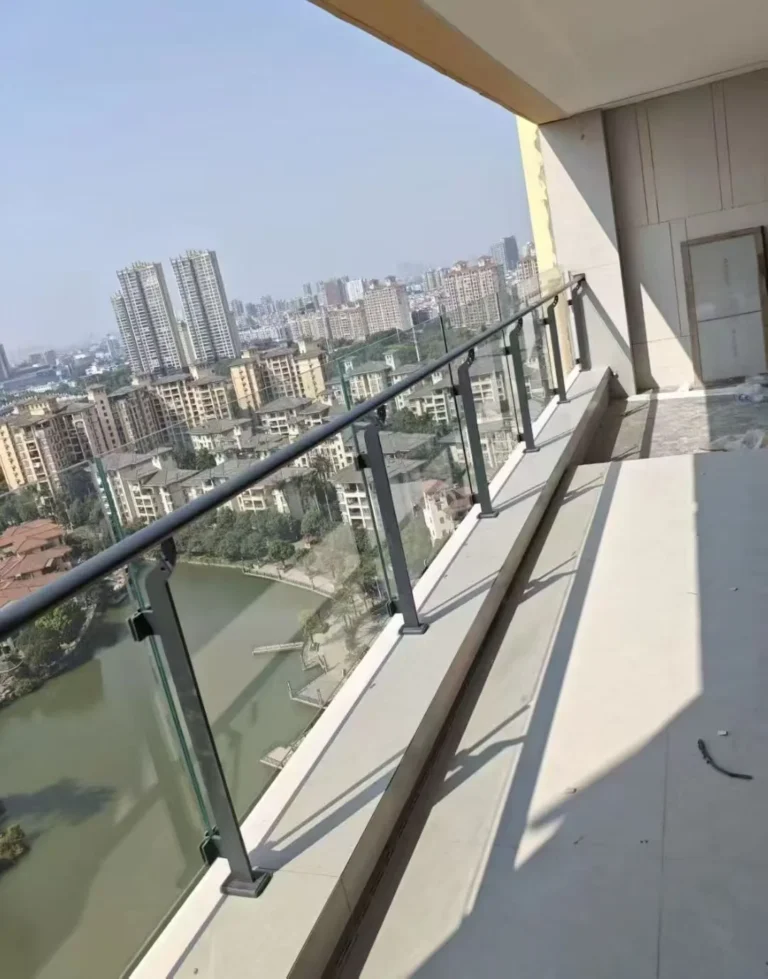
A railing post may transfer loads from a handrail, glass panel or other infill into a base plate and anchors. The post body is only one part of that load path. If the engineer relies on tube mechanical properties, the purchase documentation should identify the intended structural-tubing specification and any required grade, dimensions, tolerances, tests or supplementary provisions.
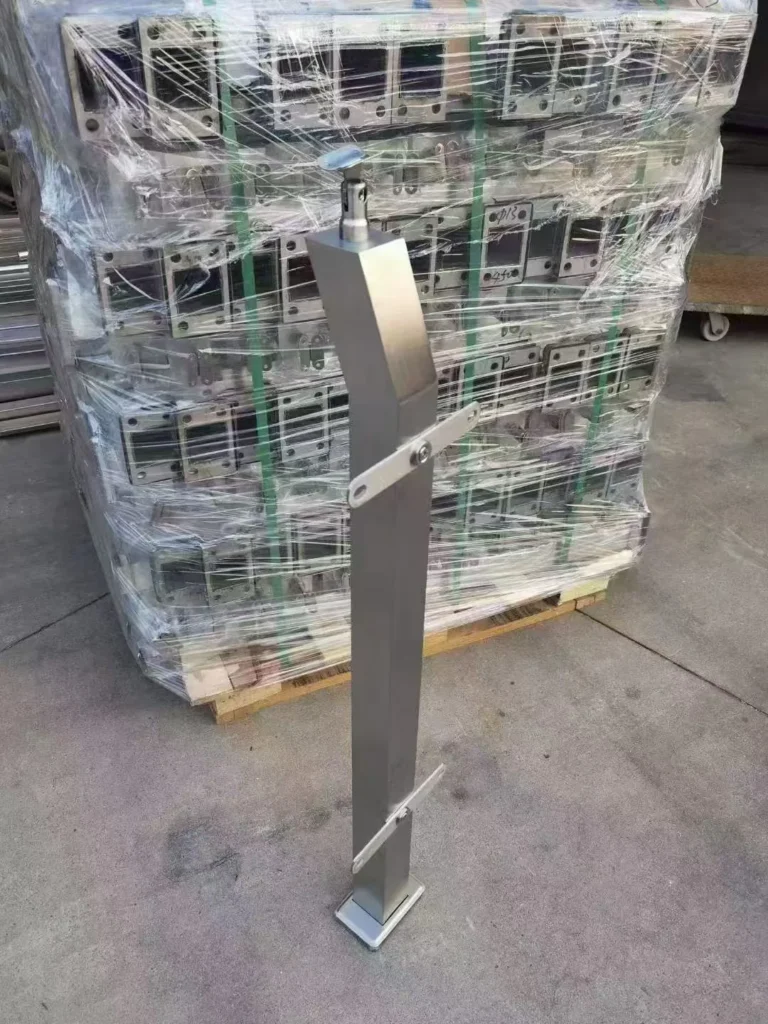
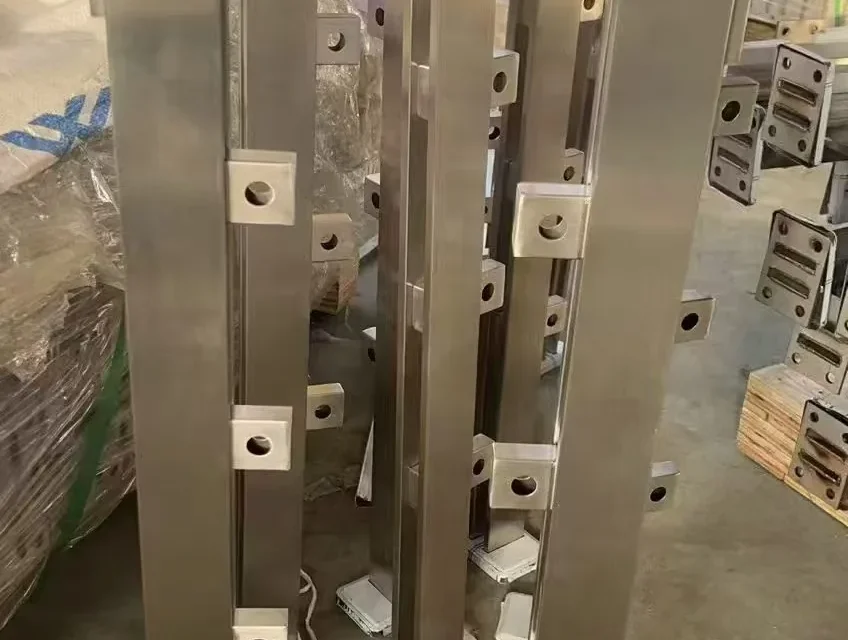
BalusterPost’s current BP-SQ01 square-tube post and BP-RD01 round-tube post are drawing-based product families offered with SS304 or SS316L options. A web product page does not by itself claim that a particular project batch is certified to A1134, A554 or another material standard. That requirement must be stated in the RFQ, reviewed for availability and confirmed in the order documentation.
The standard does not design the complete railing
Specifying a tube standard is only one step. Neither designation automatically determines:
- Required guard height or post spacing
- Project design loads and allowable deflection
- Post section size or wall thickness
- Welded connection design and fabrication details
- Base plate, bracket or anchor capacity
- Glass type, thickness, holes or edge distances
- Suitability of the supporting concrete, steel, timber or masonry
- Corrosion grade for the actual environment
- Surface finish, cleaning or maintenance regime
These decisions remain with the responsible project team. The railing post mounting guide explains why anchors and substrates must be coordinated separately from the post appearance.
Do not confuse product form standards
A fabricated post can combine tubing with plate, sheet, flat bar, machined blocks and fittings. A tube specification does not automatically cover those other product forms. For example, ASTM A240/A240M-26 covers chromium and chromium-nickel stainless plate, sheet and strip for general applications, including architectural and construction uses.
The bill of materials or drawing should connect each important component to the appropriate requirement. Avoid placing one standard in a general note and assuming it accurately describes the tube, plate, bar, fasteners and completed weldment.
How specifiers can review existing railing specifications
- Identify the function of each tube. Separate structural post bodies from decorative sleeves, handrails and non-structural trim.
- Check the governing design documents. Confirm the code, loads, calculations and engineer’s material assumptions.
- Read the current standard scope. Verify product form, manufacturing condition, shape, dimensions and unit designation.
- Coordinate grade and exposure. Select corrosion resistance for the actual site rather than using a generic stainless note.
- Define required documentation. State certificates, mechanical-property records, batch links or testing before quotation.
- Resolve conflicts. If drawings, schedules and specifications name different standards or grades, issue a written clarification.
What buyers should put in the RFQ
A useful enquiry does not need to reproduce the complete standard, but it should make the intended requirement unambiguous:
- Exact standard designation and year, including the “M” designation where applicable
- Stainless alloy or grade required by the project
- Round, square, rectangular or special shape
- Outside dimensions, wall thickness and length
- Manufacturing and heat-treatment condition where specified
- Dimensional tolerances and critical post interfaces
- Finish and visible-surface requirements
- Supplementary requirements or tests selected by the engineer
- Material certificates and traceability required with delivery
- Any permitted alternatives or dual-certification requirement
Ask suppliers to state deviations and assumptions explicitly. Do not accept a catalogue description as evidence of compliance for a specific batch. The manufacturer evaluation checklist provides additional questions about drawings, samples, inspection and packing.
Practical implications for international projects
A1134/A1134M includes separate inch-pound and SI approaches. International teams should state the intended designation and keep units consistent across drawings, purchase orders and certificates. Converting dimensions informally while mixing tolerance systems can create apparent discrepancies.
Projects outside the United States may use EN, ISO, national or project-specific specifications instead of ASTM. The existence of a new ASTM document does not override the contract or local regulatory framework. The project engineer should determine whether an ASTM specification is applicable and how it relates to the governing design standard.
Questions to ask before changing a specification
- Is the tube part of the calculated structural load path?
- Which mechanical properties are used in the design?
- Does the proposed tube fall within A1134/A1134M-26’s scope?
- Does the contract already require A554-26 or another standard?
- Are alternative or dual-certified materials available for the required section?
- Which tests, certificates and traceability records are needed?
- Who has authority to approve the change?
For a project-specific supply review, send the current specification, post drawings, quantities and required documentation through the BalusterPost contact page. Any proposed compliance statement should be confirmed for the actual material and production batch before ordering.
Frequently asked questions
Did ASTM A1134 replace ASTM A554?
No. ASTM lists both A1134/A1134M-26 and A554-26 as active. They have different titles, scopes and provisions. The responsible specifier must select the applicable requirement.
Does A554-26 allow structural applications?
Its published scope includes ornamental, structural, exhaust and other applications. However, a project engineer must determine whether the ordered A554 provisions satisfy the specific structural design and contract requirements.
Does A1134 certification make a railing code-compliant?
No. It addresses the supplied structural tubing within its scope. The complete railing, connections, anchors, infill and supporting structure still require project-specific design and approval.
Should buyers immediately change all railing RFQs to A1134?
No. Review the tube function, existing contract, material availability and engineer’s design basis first. Any change should be approved and recorded through the project’s document-control process.