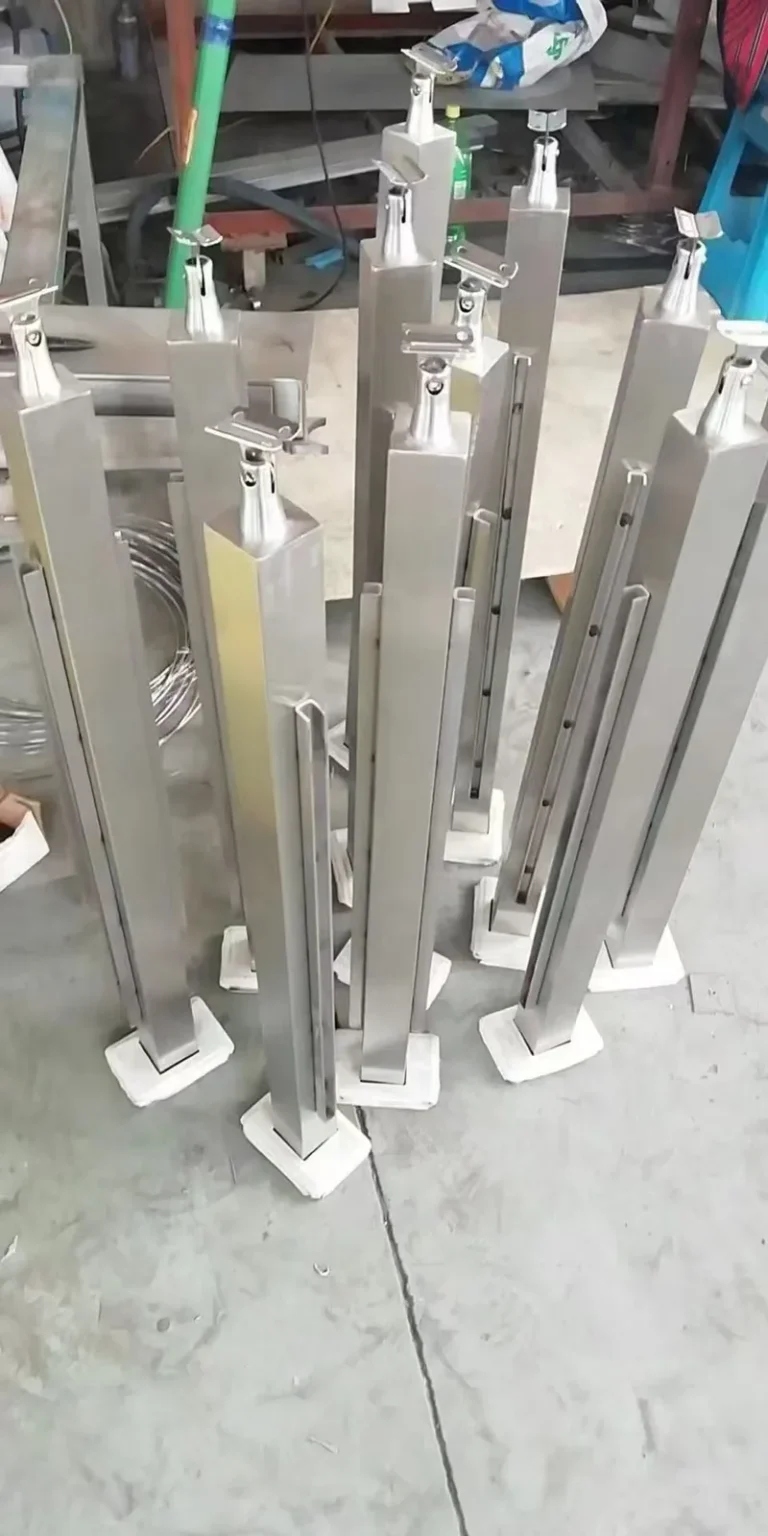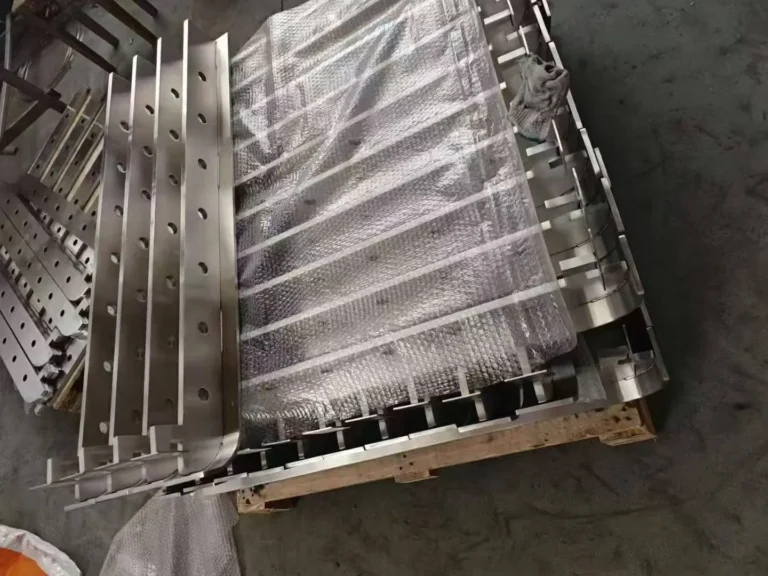
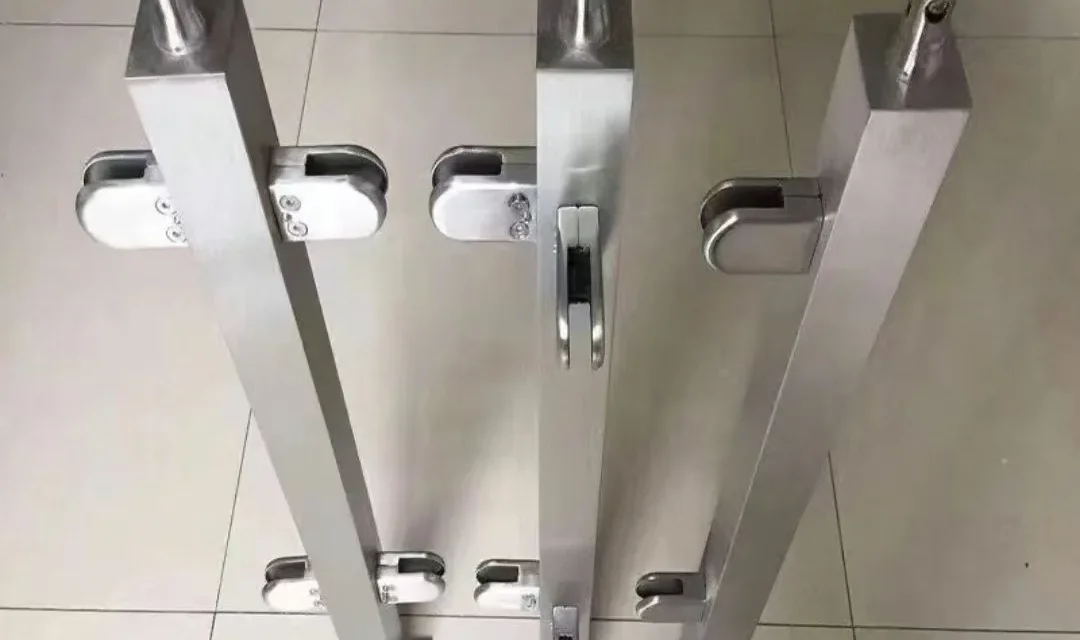
Short answer: a useful OEM stainless steel railing post RFQ must define the application, post schedule, material, geometry, mounting, glass and handrail interfaces, finish, tolerances, quantity, inspection evidence, packing and drawing approval process. A reference photo alone is not enough. Give suppliers the same controlled information so their quotations cover the same scope and can be compared fairly.
This checklist is for buyers, fabricators, contractors and specifiers requesting custom stainless steel baluster posts or glass railing posts. It helps organize a quotation package; it does not select structural loads, anchors, glass thickness or code compliance for a project. Those decisions remain with the responsible designer and local approval team.
Why railing post RFQs produce mismatched quotations
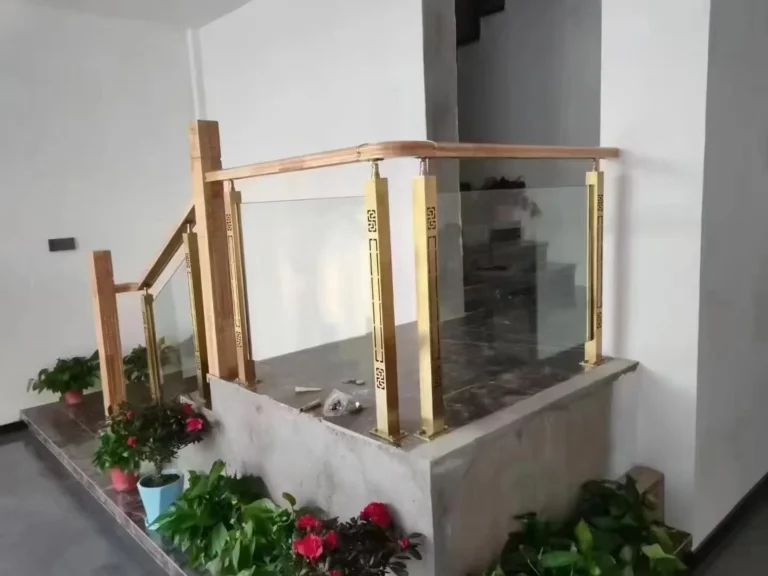
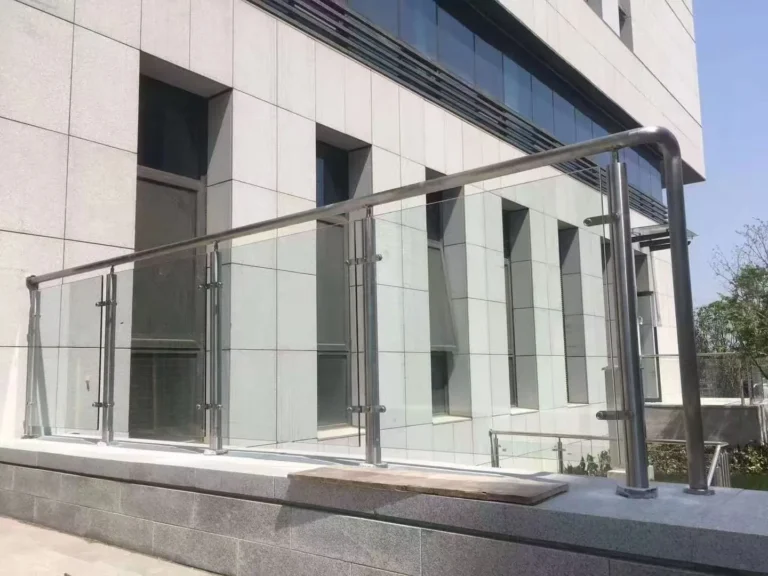
Two posts can look similar in a photograph while requiring different tube sections, wall thicknesses, base details, clamp positions, handrail saddles, welding, polishing and packaging. If the RFQ leaves those items open, each supplier must make assumptions. The resulting prices may describe different products rather than different prices for the same product.
A clear RFQ separates three questions: what the project needs, what the supplier must include, and what will be confirmed after award. The ASTM guidance on ordering information recommends identifying optional features and citing the applicable standard year when standards are used in an order. The practical lesson is simple: do not rely on a designation without stating the options that affect the purchased item.
RFQ checklist at a glance
| RFQ item | Minimum information | Common risk if omitted |
|---|---|---|
| 1. Application | Interior/exterior use, location and exposure notes | Unsuitable grade or maintenance assumption |
| 2. Post schedule | Type codes, positions and quantities | End, middle, corner and stair posts mixed together |
| 3. Material | Stainless grade and required material record | Vague “stainless steel” scope |
| 4. Section | Round/square/flat profile, dimensions and wall/section thickness | Different mass and fabrication route |
| 5. Height and datums | Finished height and measurement reference | Base, floor and handrail levels interpreted differently |
| 6. Mounting | Top, fascia or core condition and post-side detail | Incorrect base plate, offset or embedment |
| 7. Glass interface | Clamp/adapter type, centres, orientation and drawing responsibility | Hole and fitting positions do not coordinate |
| 8. Handrail interface | Saddle, bracket, angle, diameter/section and joint expectation | Site rework at top connection |
| 9. Finish | Finish family, sample, visible faces and grain direction | Components do not match |
| 10. Tolerances | Critical dimensions and inspection method | Generic tolerances applied to functional interfaces |
| 11. Quantity | Quantity by type plus spares if required | Tooling and batch assumptions differ |
| 12. Samples | Finish coupon or first-article scope | Appearance judged only after production |
| 13. Quality records | Documents, photos or reports required | Evidence requested after traceability is lost |
| 14. Packing | Protection, labels, zones and destination constraints | Damage or slow site sorting |
| 15. Approval process | Drawing revision, approver and change cut-off | Production starts from obsolete information |
1. State the application and exposure
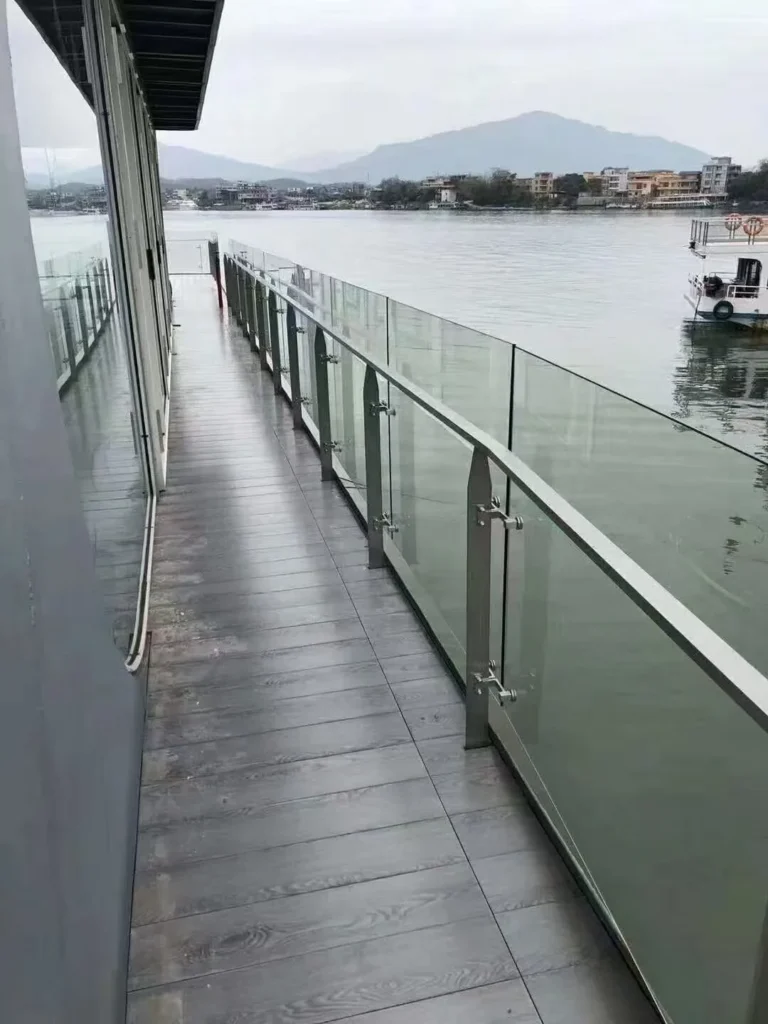
Tell the supplier whether the posts are for an interior stair, exterior balcony, coastal site, pool area or another defined environment. Note sheltered areas, cleaning access and contact with de-icing salts or industrial contamination when relevant. These facts help the design team evaluate grade and finish; they do not authorize the supplier to guess project code requirements.
The International Molybdenum Association’s architectural stainless steel selection system explains how environment, design, surface finish, stainless type and maintenance influence performance. The RFQ should record those inputs and name who is responsible for the final material decision.
2. Build a post schedule before asking for a unit price
Separate middle, end, corner, stair, landing and gate-adjacent posts. Assign a type code, position or zone and quantity. A straight middle post cannot automatically replace a handed end post, and a stair post may need different clamp angles or handrail geometry.
Use the railing post types guide to organize the early system choice, then convert that choice into a schedule. Ask the supplier to price by type and identify any common platform, unique tooling or minimum batch assumption.
3. Define material and supporting records
State the stainless grade rather than writing only “stainless.” If the project requires a material certificate, declaration, heat reference or batch link, name the document and when it must be submitted. Do not request a certificate after production and assume every finished component can still be linked if traceability was not part of the original scope.
If a product standard is cited, include its exact designation and edition required by the contract. Confirm whether it applies to ornamental/mechanical tube, structural tube, plate, fasteners or another product form. A material or tube standard does not by itself establish the performance of the completed guard system.
4. Control geometry with drawings and datums
Provide profile shape, outside dimensions, wall or section thickness, finished height and the datum from which height is measured. Show hole centres, slots, base edges, offsets and critical angles. Identify which dimensions are reference only and which must be inspected.
A sketch can start budgeting, but production should use an approved manufacturing drawing. Record the drawing number, revision and status. If the supplier develops the manufacturing drawing, state what site, architectural and structural information the buyer will provide and who will approve it.
5. Separate the post from the building-side anchor design
State whether the post is top mounted, fascia mounted or core mounted, then show the post-side base plate, bracket or embedded length. Do not ask a post supplier to infer slab strength, edge distances, waterproofing or anchor capacity from a photograph. The responsible project engineer should define or approve the building-side connection.
The post mounting methods guide explains the coordination questions for each arrangement. Include enough interface information for the supplier to fabricate the post without implying that a catalogue base detail is universally suitable.
6. Define every glass and handrail interface
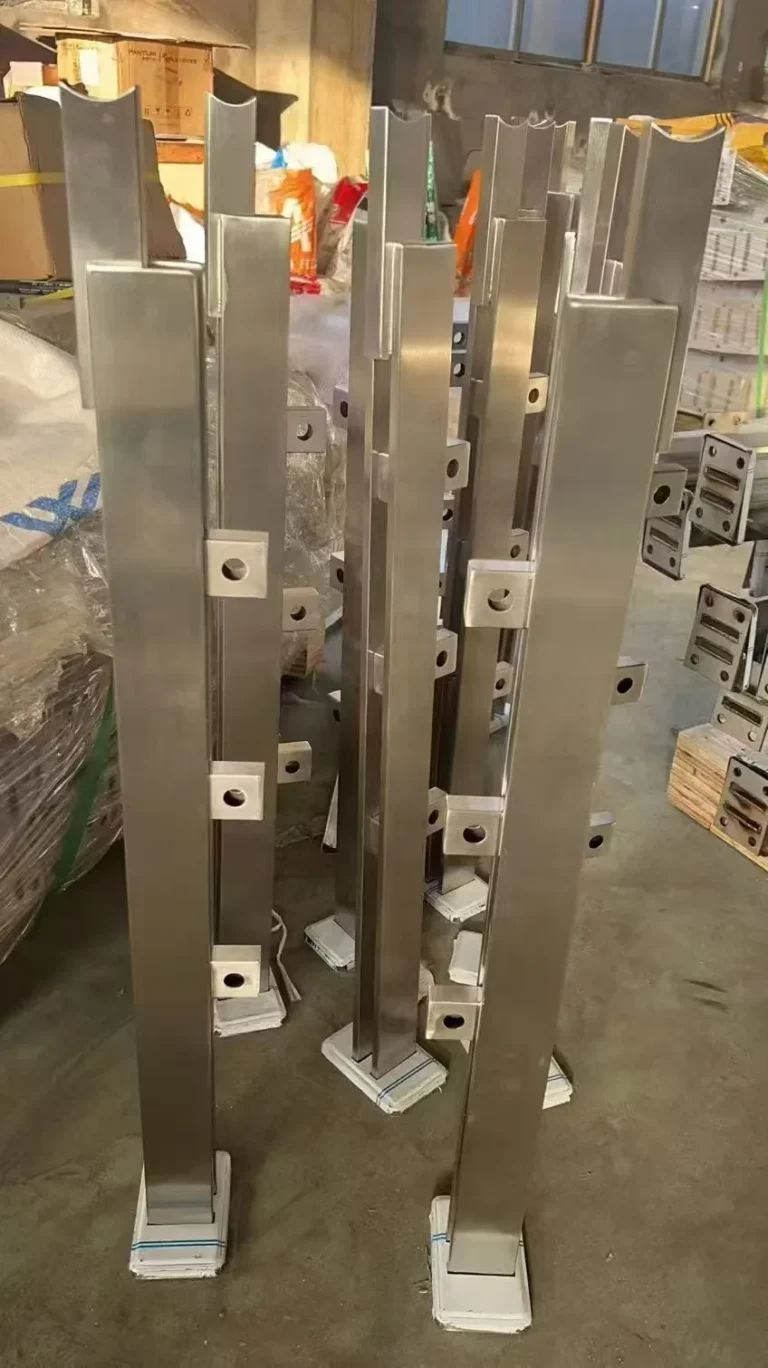
For glass clamps or welded adapters, state the fitting type, quantity, centre lines, side, orientation and whether the post is straight or raked. Give the approved glass line and identify who coordinates any glass processing. For the handrail connection, define the saddle or bracket, handrail section, angle and whether joints are welded, mechanically fixed or completed on site.
The BP-SQ01 square-tube glass post shows how a handrail saddle and glass clamps form part of one post configuration. Dimensions and connection positions for a custom order should be tied to the approved drawing rather than copied from an image.
7. Make finish requirements inspectable
Specify the finish family, visible faces, grain direction and any required physical sample. Around welds, holes and machined areas, define the expected restoration and acceptable visual transition. Decorative colour should use an approved physical sample because screen images cannot reliably define colour, gloss or texture.
For a deeper finish specification, use the stainless steel railing post finishes guide. Include sample approval and protective packing in the RFQ because a correct finish can still be damaged between final inspection and installation.
8. Identify critical tolerances, not every dimension equally
Tolerances should follow function. Glass-fitting centres, base-hole patterns, handed orientations and handrail interfaces may control assembly more than an unconstrained decorative dimension. State how each critical characteristic is measured and whether inspection occurs on the loose part, a jig or a first assembled unit.
Avoid copying a generic tolerance block that conflicts with the intended manufacturing process. Ask suppliers to identify exceptions during quotation. Resolving feasibility before drawing approval is less disruptive than discovering it after cutting, drilling or finishing.
9. Define the commercial quantity and change rules
List quantity by post type and identify any required spares. State whether the RFQ is for prototype, first article, batch production or a phased release. If quantities are provisional, request a price structure that shows how changes affect setup, unique types, inspection and packing.
The custom railing post cost guide explains why geometry, finish, quantity and documentation can change scope. Use the approved drawing revision and a written change record to prevent informal messages from silently altering production.
10. Request only useful quality evidence
Define the evidence needed for the project: approved drawing, material record, first-article results, critical-dimension report, finish approval, labelled photographs or packing list. Each record should identify the part or batch and drawing revision. Generic factory photographs do not prove that a specific order meets its controlled requirements.
Ask when records will be reviewed and whether approval is a hold point. Excess paperwork can add cost without reducing risk, while a missing record can be impossible to recreate later. Match the evidence to the project’s actual interfaces and consequences.
11. Treat packing as part of the product
Finished posts need separation between visible surfaces, restraint for projecting fittings and labels that survive transport. State whether packages should be grouped by floor, stair, balcony or post type. Identify destination handling limits, pallet or crate expectations and any need to keep hardware sets with position codes.
Ask the supplier to show the proposed label and packing sequence before shipment for complex projects. A clear position schedule can save more site time than a generic “export packing” statement.
A practical RFQ package
- Project summary and environment notes
- Post type and quantity schedule
- Architectural elevations and relevant details
- Controlled post drawings or supplier drawing brief
- Material, finish and sample requirements
- Critical tolerance and inspection list
- Required documents and approval stages
- Packing, labels, destination and delivery grouping
- Commercial response template listing inclusions, exclusions and assumptions
Send the same revision to every bidder. Require each supplier to return assumptions and deviations beside the relevant RFQ item. To discuss a custom post package, submit the schedule and drawings through the BalusterPost contact page.
Frequently asked questions
Can I request a quotation from a reference photo?
A photo can begin a budget discussion, but a comparable production quotation needs dimensions, material, interfaces, finish, quantities and mounting information.
Who should choose the anchor and glass thickness?
The responsible project designer should define or approve those safety-critical choices using the actual structure, loads, glass system and local requirements.
Should every dimension have a tight tolerance?
No. Identify the dimensions that control assembly, appearance or interfaces and define a suitable inspection method. Unnecessary tight tolerances can add work without improving the installed system.
What makes quotations comparable?
A common controlled RFQ, a type-by-type quantity schedule and a required list of supplier assumptions, inclusions and exclusions make scope differences visible.