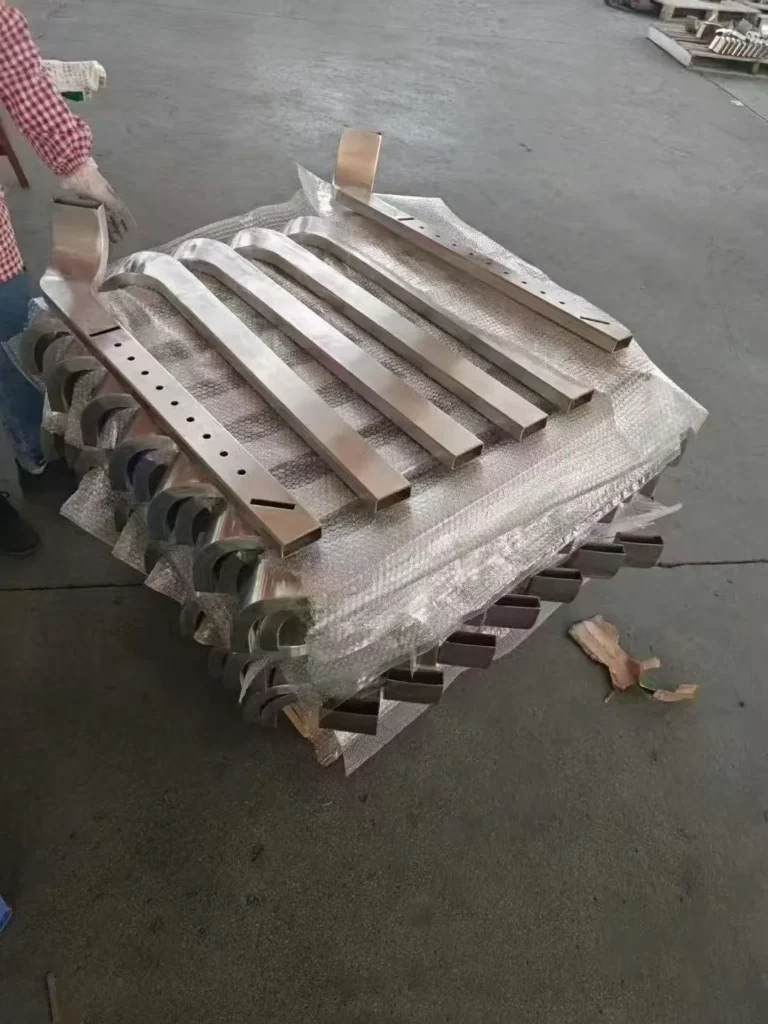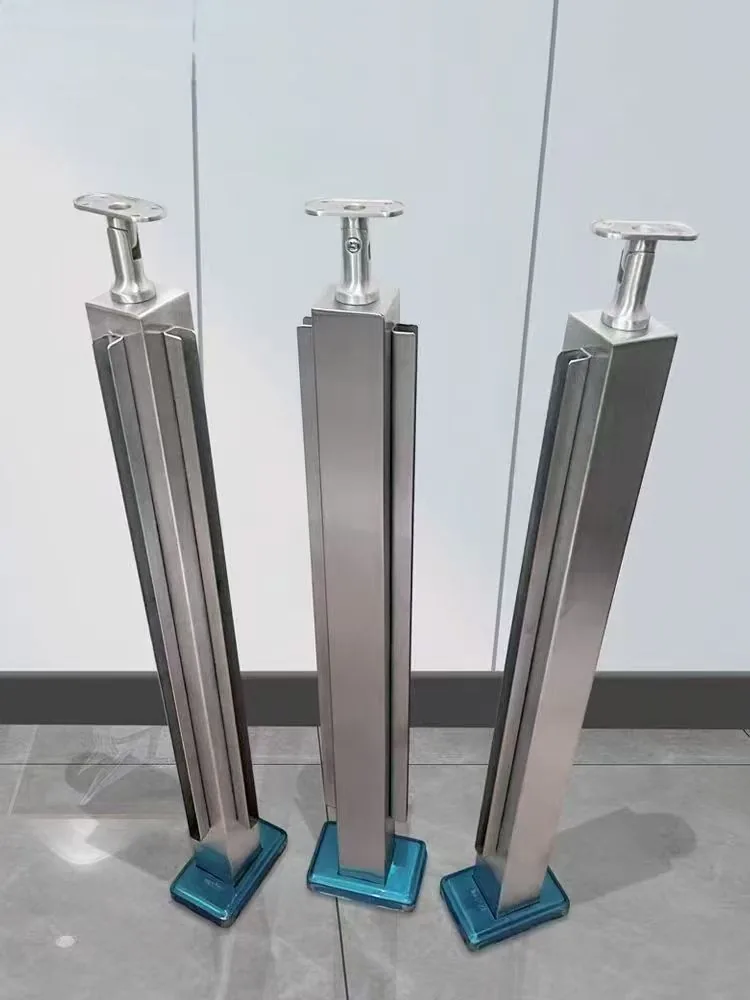
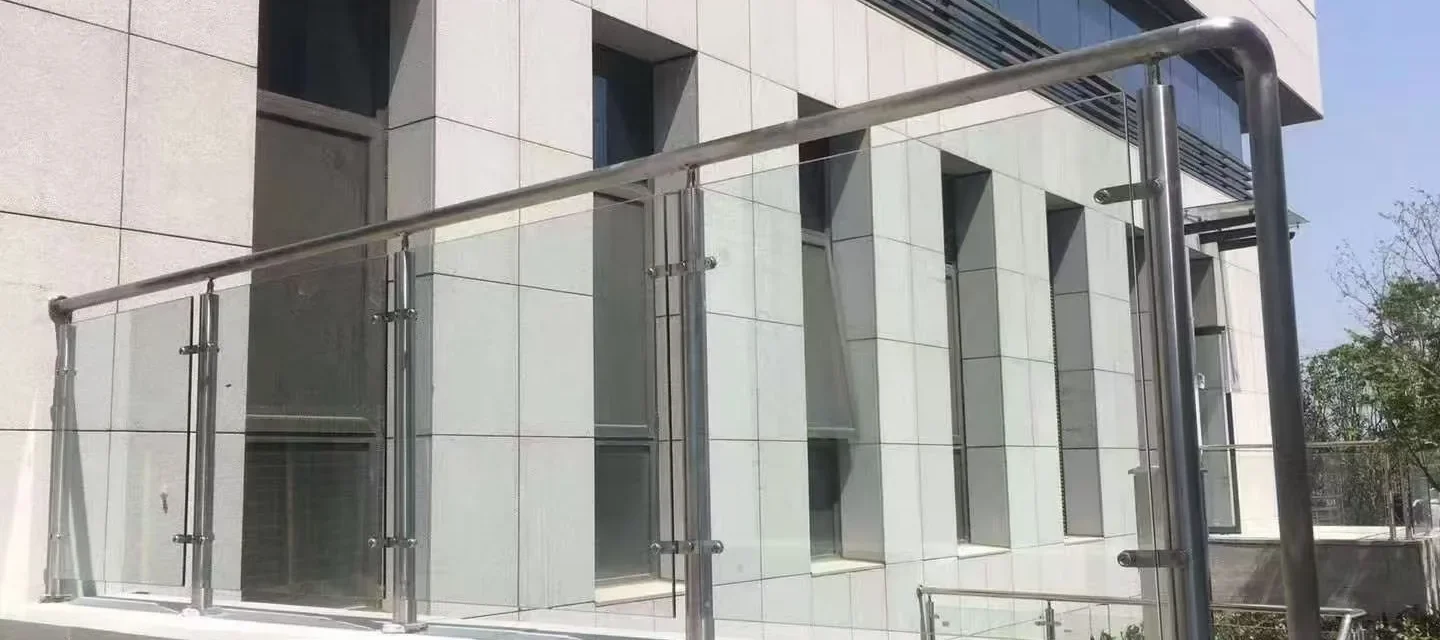
Short answer: specify passivation for stainless steel railing posts when the fabrication route, contamination risk or project standard requires a chemically clean surface with contaminant iron removed. Passivation is not paint, plating or a repair for weld heat tint. The purchase specification should define the applicable standard, surface condition, treatment scope, verification test, appearance limits, records and protection after treatment.
What does passivation mean for a stainless steel railing post?
Stainless steel derives its corrosion resistance from a thin, chromium-rich passive film that forms naturally on a clean surface exposed to oxygen. Chemical passivation is a controlled treatment used to remove contaminant iron and support formation of that passive surface under a specified process.
Passivation does not add a decorative coating or change 304 into 316L. It does not fill scratches, correct poor welding, remove heavy oxide scale or prove that a completed railing is suitable for every environment. Material grade, fabrication quality, finish, design, exposure and maintenance remain separate decisions.
Cleaning, pickling, passivation and polishing are not the same
| Process | Main purpose | What buyers should not assume |
|---|---|---|
| Cleaning or degreasing | Removes oil, dirt, marking residue and other soils | It may not remove heat tint, embedded iron or oxide scale |
| Pickling or descaling | Removes oxide scale and affected surface material by a controlled chemical process | It is not identical to passivation and can alter appearance |
| Mechanical finishing | Produces a defined brushed, ground or polished texture and can remove local discoloration | Tools or abrasives can introduce or smear contamination |
| Chemical passivation | Removes contaminant iron from a clean stainless surface using a specified treatment | It does not remove every fabrication defect or create a thick barrier coating |
| Electropolishing | Electrochemically removes a controlled surface layer and changes surface topography | It is not interchangeable with ordinary chemical passivation |
The British Stainless Steel Association explains that stainless steel naturally self-passivates when a clean surface has oxygen available, while scale or contamination must be removed before passivation can be effective. It also cautions that pickling and passivation should not be treated as the same operation.
When should railing posts be passivated?
There is no rule that every decorative stainless steel post must receive the same chemical treatment. Passivation may be appropriate when:
- The purchase specification or project standard explicitly requires it.
- Fabrication creates a meaningful risk of contaminant iron from shared tools, benches, blasting media or handling.
- Machining, drilling, grinding or welding is followed by an agreed cleaning and surface-restoration process.
- The buyer requires an agreed free-iron test or other passivation verification.
- The service environment and quality plan justify tighter surface contamination control.
A requirement should follow the actual product and process risk. Adding “passivated” to an RFQ without defining the method or evidence often produces quotations that cannot be compared.
Why must weld heat tint be addressed first?
Heat tint is an oxide formed around a weld. Chemical passivation intended to remove free iron is not a substitute for removing detrimental scale or discoloration when the specification requires their removal. The surface must be prepared to the agreed condition before the passivation step.
Weld acceptance should also occur before cosmetic blending or chemical treatment obscures evidence. The railing post weld finishing and inspection guide separates fabrication inspection from appearance restoration.
Which ASTM standards apply?
ASTM A967/A967M-25 is the active specification for chemical passivation treatments for stainless steel parts. ASTM states that it covers several treatment types, including nitric-acid, citric-acid and electrochemical treatments, and provides alternative qualitative tests for confirming effectiveness. The standard does not recommend one grade, treatment or acceptance criterion for every application.
ASTM A380/A380M-25 is the active practice covering cleaning, descaling, pickling and passivation of stainless steel parts, equipment and systems. Its scope emphasises proper planning, precleaning, contamination control, rinsing, protection and selection of procedures by agreement between purchaser and supplier.
Do not write only “passivate to ASTM.” Identify the exact standard, edition, treatment or agreed selection basis, verification test, sampling, acceptance criteria and records. If another national or project standard governs, name it instead.
What sequence should a buyer expect?
A typical controlled sequence may include:
- Complete fabrication: cutting, drilling, machining, welding and required straightening.
- Inspect fabrication: accept geometry and weld requirements before hiding evidence.
- Remove scale and heat tint: use the project-approved mechanical or chemical method.
- Preclean: remove oil, compound, dust, adhesive and other residues.
- Apply the specified passivation treatment: control solution, time, temperature and loading under the approved procedure.
- Rinse and neutralise where required: stop the chemical reaction and remove residues.
- Dry and protect: prevent recontamination during handling, inspection and packing.
- Verify and record: conduct the agreed inspection and test on the stated sample or lot.
This sequence is a planning framework, not a chemical recipe. Acid handling, ventilation, worker protection, wastewater treatment and legal disposal require competent process control. Buyers should not copy concentrations or immersion times from an unrelated alloy or internet example.
How can fabrication contaminate stainless steel?
Potential sources include carbon-steel wire brushes, contaminated grinding media, shared worktables, steel shot, handling equipment, chips, dust and contact with unprotected carbon-steel components. Visible rust after wet exposure can come from transferred iron rather than the stainless grade itself, but the cause must be investigated rather than assumed.
Prevention is more reliable than chemical correction alone. Segregate stainless work where practical, use dedicated identified tools and abrasives, maintain clean handling surfaces, and protect finished posts from later contact during storage and transport.
Will passivation change a brushed or mirror finish?
It can affect appearance if the process, surface condition or rinsing is not compatible. Architectural railing posts have visible grain direction, gloss and blended transitions that may be more sensitive than hidden industrial parts.
Require a representative coupon or first article when appearance is critical. Approve the finish after the complete cleaning and passivation sequence, not before it. Define acceptable colour, texture, staining, etching, pitting, frosting and water marks under controlled viewing conditions.
The stainless steel railing post finish guide explains why a finish name such as “satin” is not a complete visual acceptance standard.
How should passivation effectiveness be verified?
Visual inspection can identify residue, obvious scale, rust staining, etching, pitting or finish damage, but it may not detect all free iron or transparent contamination. ASTM A967/A967M defines alternative qualitative verification practices. The purchaser must select the applicable method and acceptance rules for the material and application.
Do not require every named test by default. Some tests have material or application limitations, and an unsuitable test can damage the product or produce misleading results. The agreed plan should state:
- Test method and standard edition.
- Applicable stainless grades and excluded areas.
- Sampling frequency or lot definition.
- Timing after treatment and conditioning.
- Acceptance criteria and retest rule.
- Report fields, photographs and traceability.
The first article process is a useful place to validate treatment and appearance. See the first article approval checklist for revision, sample and deviation control.
Does 316L eliminate the need for passivation?
No. Grade selection and surface condition solve different problems. 316L can offer advantages over 304 in certain chloride exposures, but either grade can be contaminated during fabrication. Conversely, passivating an unsuitable grade does not make it appropriate for an aggressive environment.
Use the 304 versus 316L railing post guide to select material according to exposure and project requirements, then specify the fabrication and surface treatment separately.
What belongs in the RFQ and purchase order?
- Post part numbers, quantities, material grades and drawing revisions.
- Visible finish, grain direction and approved appearance reference.
- Areas included, excluded or requiring masking.
- Condition before treatment, including heat-tint or scale removal.
- Passivation standard and edition.
- Approved treatment type or supplier-selection rules.
- Rinsing, drying and recontamination-prevention requirements.
- Verification method, sampling, lot definition and acceptance criteria.
- Required process and test records.
- Packing materials and protection after release.
Confirm whether bolts, glass adapters, handrail supports and other components are treated assembled or separately. Crevices and trapped solution are process risks, while later assembly can reintroduce contamination.
How BalusterPost handles surface-treatment requirements
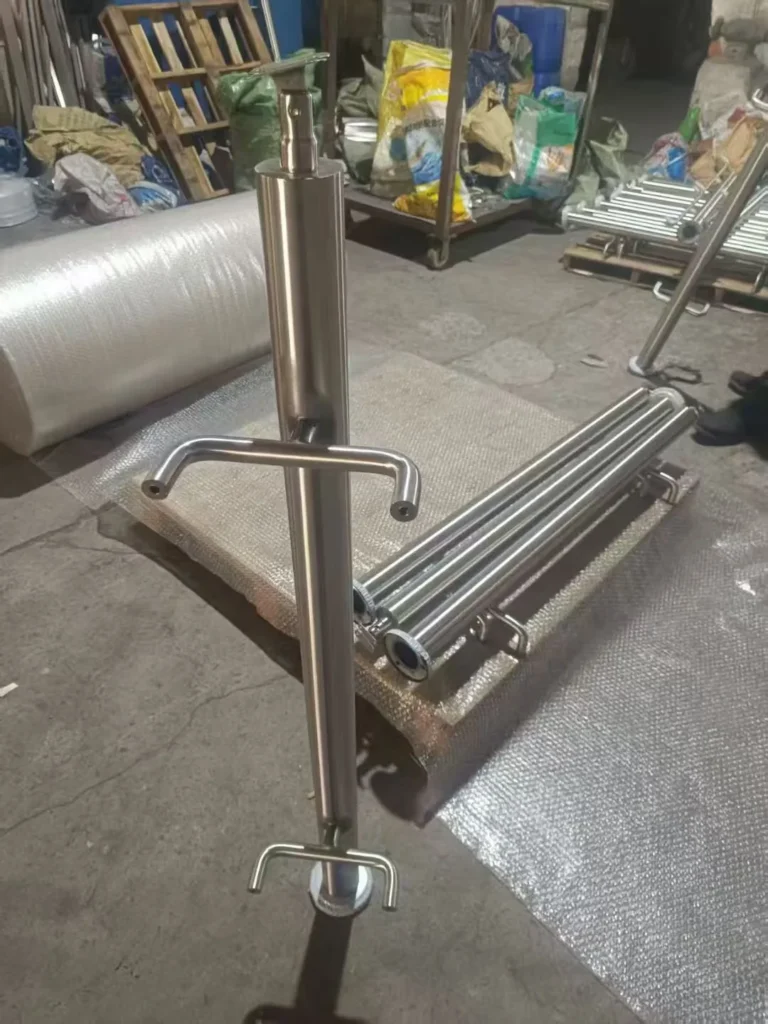
BalusterPost focuses on drawing-based stainless steel baluster posts and stainless steel railing posts, coordinated from Taizhou, Jiangsu, China. Products such as a square tube glass balustrade post can be reviewed against project-defined material, fabrication, finish and surface-treatment requirements.
For quotation, provide the governing drawing, grade, finish reference, treatment standard, test selection, lot definition and record expectations. Contact Ryan Liang, Export Manager, before production if “passivated” is stated without a treatment scope or acceptance method.
Frequently asked questions
Is passivation a coating?
No. Chemical passivation treats a clean stainless surface and does not create a conventional paint, plating or thick barrier layer.
Does passivation remove weld heat tint?
Do not assume so. Heat tint or scale must be removed by the approved preparatory process before passivation where the specification requires a restored surface.
Must every railing post be chemically passivated?
No universal rule applies. The decision depends on the project specification, fabrication contamination risk, service environment, required evidence and agreed standard.
Can passivation repair scratches or poor polishing?
No. Geometry and visual defects require the appropriate fabrication or refinishing process before final treatment and inspection.
What proof should a buyer request?
Request the procedure reference, lot traceability, treatment record, selected verification result, visual inspection and any first-article approval required by the purchase order.