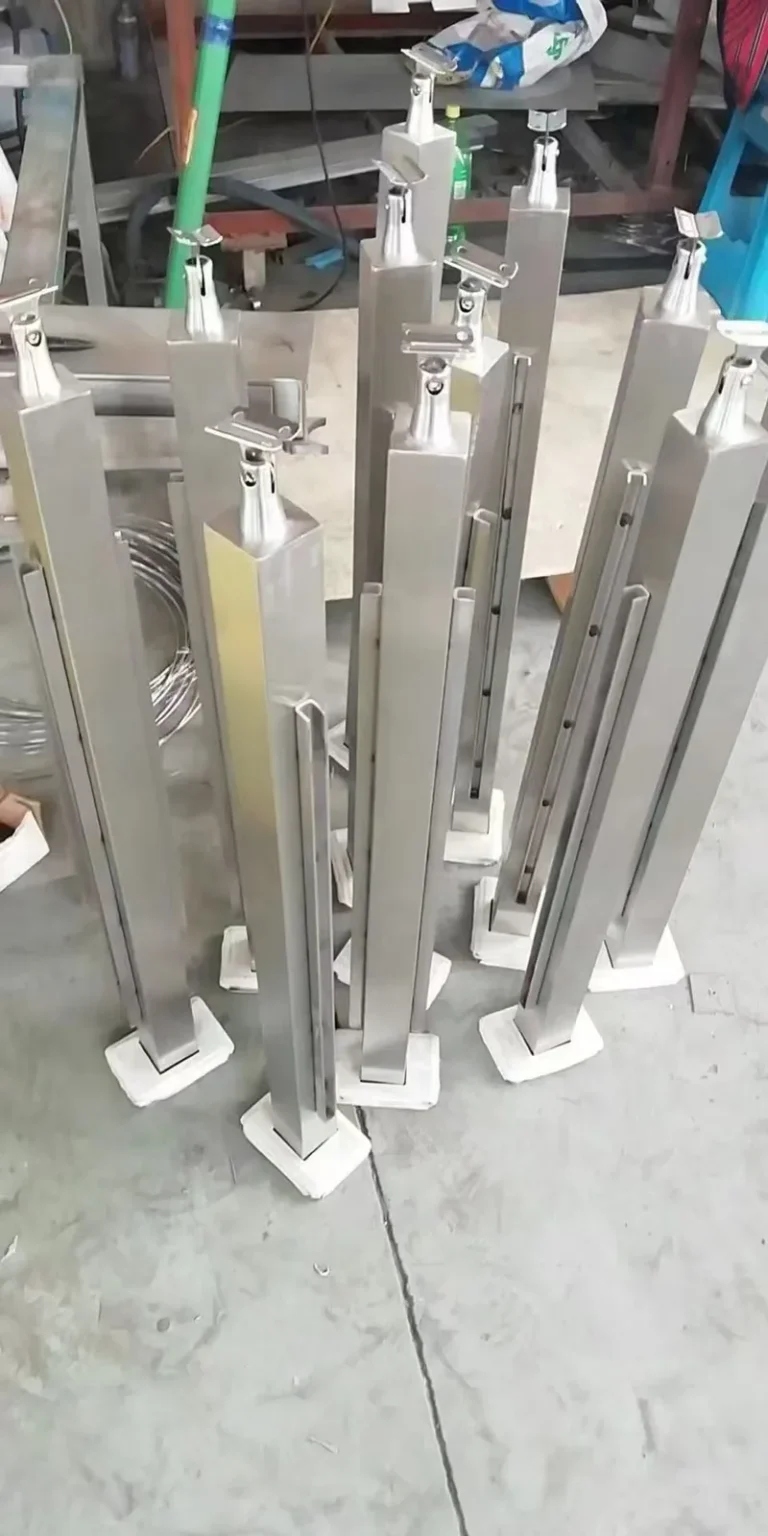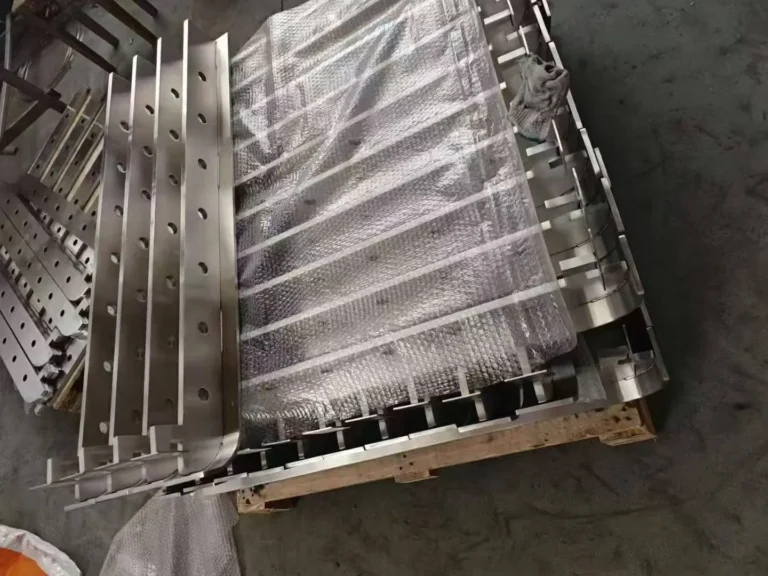
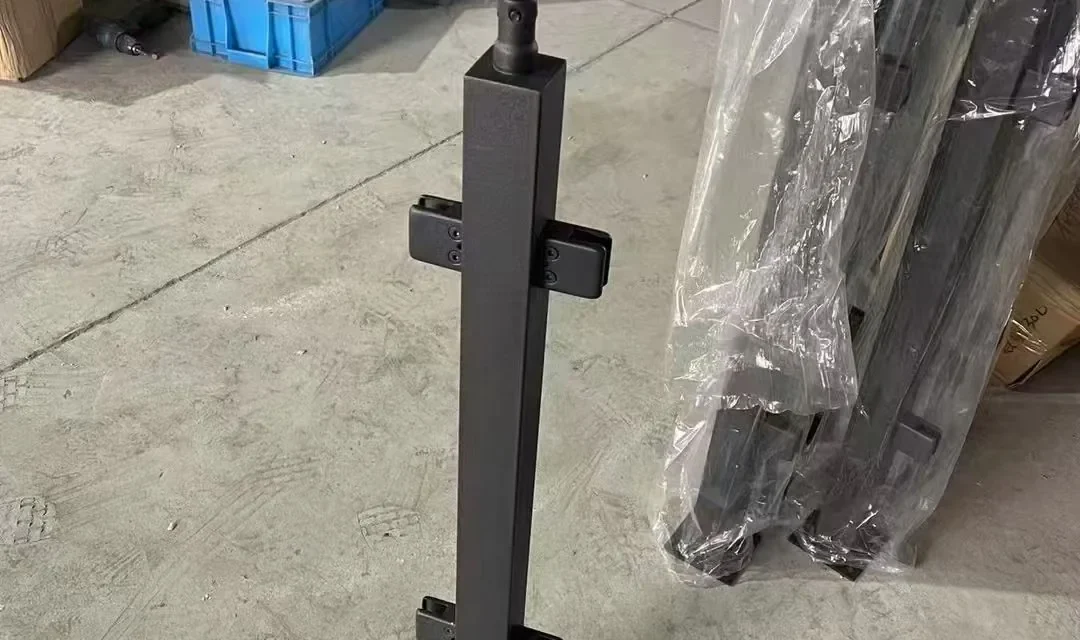
The cost of a custom stainless steel railing post is determined by much more than its height. Material grade, section size, connection geometry, surface finish, quantity, inspection requirements and packaging can change both the manufacturing route and the amount of work in each post. This is why two quotations for posts that look similar in a reference image may not include the same scope.
For buyers, the practical goal is not to chase a price before the product is defined. It is to identify the cost drivers early enough for suppliers to quote the same configuration. A complete RFQ produces a more useful price, fewer assumptions and less redesign after the order.
Quick answer: what affects custom railing post cost?
The main cost drivers are the stainless grade and product form, tube or bar section, post geometry, mounting detail, glass and handrail connections, welding and machining, surface finish, number of unique post types, order quantity, tolerances, samples and inspection, documentation, packaging and late design changes. Freight and import costs are separate commercial items and depend on the destination and shipment.
| Cost driver | Why it matters | What the buyer should define |
|---|---|---|
| Material | Grade, form and section affect input cost and availability | Grade, tube/bar/plate section and required records |
| Geometry | More variants require more drawings, setups and identification | End, middle, corner, stair and transition schedule |
| Connections | Drilling, machining, adapters, clamps and saddles add operations | Centres, orientation, glass offset and handrail interface |
| Finish | Brushing, polishing, weld blending and PVD need different controls | Approved finish sample and visible faces |
| Quality scope | Tight tolerances and records require inspection time | Critical dimensions, tolerances and deliverables |
| Packing | Architectural surfaces and projecting fittings need protection | Destination, packing groups and installation sequence |
1. Stainless grade and product form
A purchase description should state more than “stainless steel.” Grade selection depends on the exposure, cleaning regime and project requirements. The Nickel Institute’s architectural guidance notes that environment, chloride exposure, finish and maintenance influence grade selection. For a focused comparison, see BalusterPost’s 304 vs 316L stainless steel post guide.
Product form matters too. A post may combine welded mechanical tube, flat bar, plate, machined blocks and purchased fittings. If a contract names a material standard, confirm that it matches the product form. For example, ASTM A554-26 covers welded stainless steel mechanical tubing in round, square, rectangular and special shapes, while ASTM A240/A240M-26 covers stainless plate, sheet and strip for general applications. The project designer should specify the applicable standard rather than applying one document to every component.
2. Tube, bar and plate section
Outside dimensions alone do not define a post. Wall thickness, flat-bar width and thickness, base-plate dimensions and reinforcement details affect material use, cutting, welding and performance. Do not reduce a section simply to meet a target price unless the responsible designer approves the complete revised assembly.
Section availability can also influence cost and schedule. A common tube may be sourced more efficiently than a special profile, but substituting it can change clamp fit, handrail alignment and visual proportions. Ask the supplier to identify any proposed substitution in writing.
3. Post profile and geometry
A straight square-tube post is usually a different manufacturing proposition from a curved blade, machined flat bar or multi-part decorative post. Compare the BP-SQ01 square-tube glass post with the BP-NT01 notched flat-bar post. Both can support custom glass-railing layouts, but their cutting, machining, edge preparation and connection details are not the same.
Curves, tapers, slots, compound angles and asymmetric parts introduce additional setup and checking. The RFQ should include a dimensioned drawing, not only a rendered image.
4. Base and mounting detail
Top-mounted base plates, fascia brackets and core-mounted posts require different components and fabrication. A base plate may need holes, slots, a cover and a particular weld transition. A side-mount arrangement can require offsets or project-specific brackets. These details also interact with the structure, waterproofing and finishes.
Provide the engineer-approved connection geometry for pricing. The railing post mounting methods guide lists the coordination questions that should be resolved before fabrication.
5. Glass, infill and handrail connections
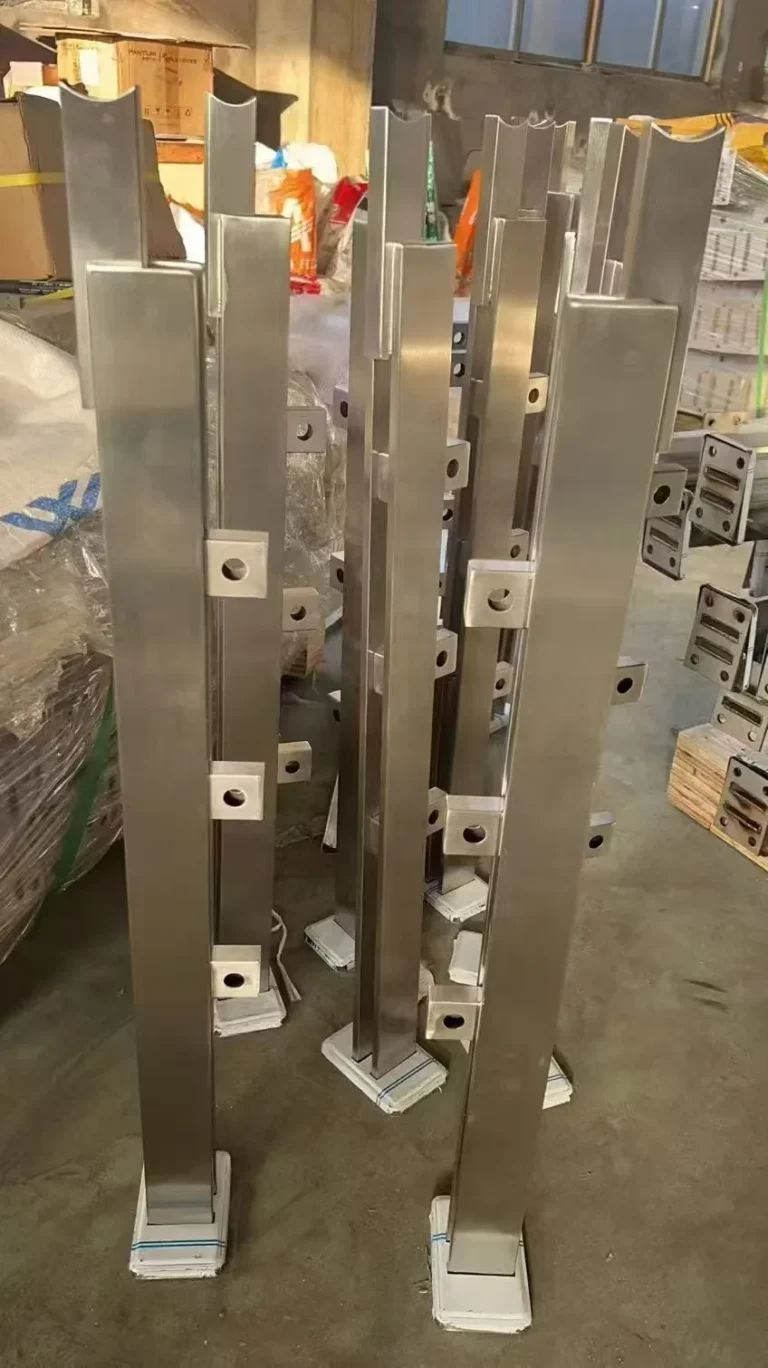
Every clamp, routel, welded adapter, hole and handrail saddle adds material and an operation. Cost depends on quantity per post, position, orientation and whether the fitting is included in the supplier’s scope. A post with welded adapter blocks, such as the BP-SG01 square post, needs controlled glass offsets and hole centres before production.
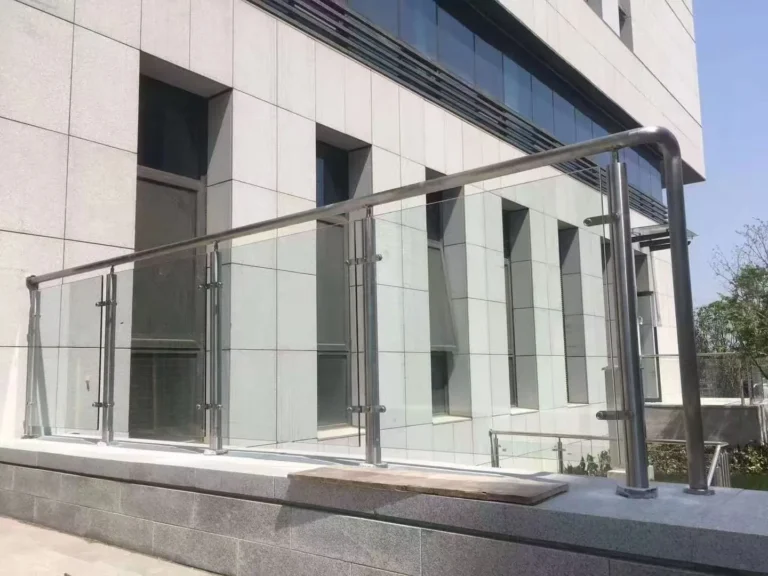
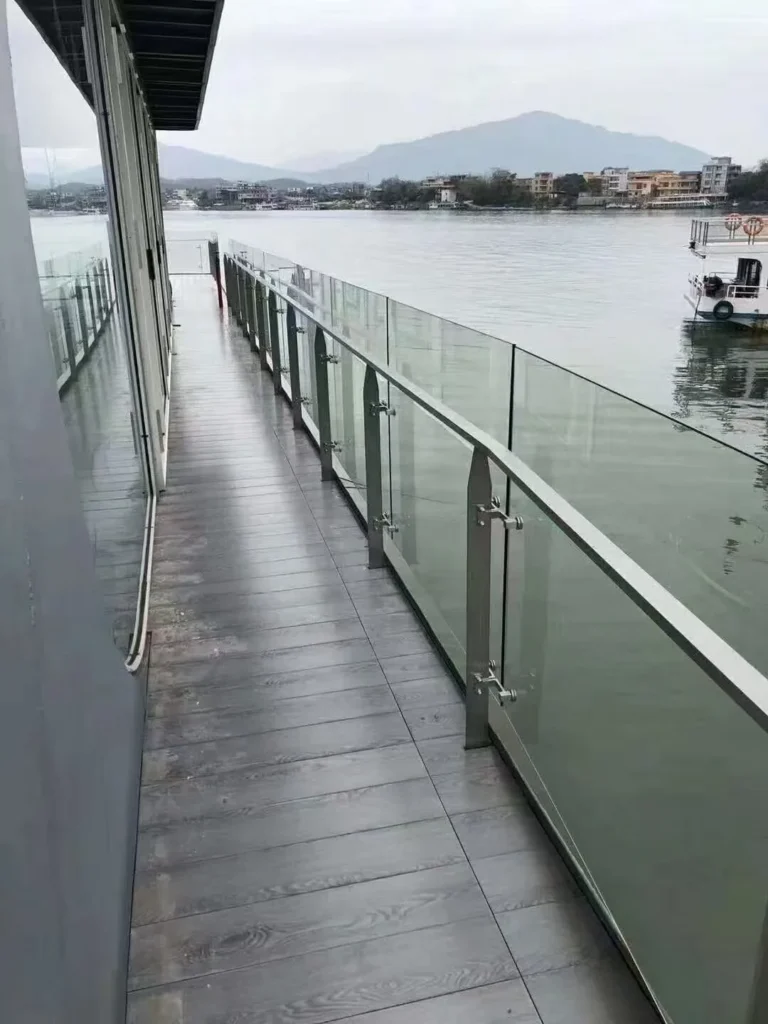
State the glass specification and connection drawing, but do not ask the post supplier to infer structural glass requirements from a photograph. Glass thickness, edge distances and holes should come from the responsible system designer.
6. Welding, machining and finish restoration
Welding time is only part of the scope. Architectural work may require jigs, distortion control, grinding, blending and restoration of a directional finish around the joint. A weld that is structurally complete may still fail the visual requirement for a feature stair.
Define which joints are exposed and approve a representative sample. If welds must disappear visually, say so before quotation. If a machined transition or expressed weld is acceptable, show that condition too.
7. Surface finish and colour
Brushed, satin, mirror-polished and PVD finishes require different processing and protection. Finish direction matters when multiple faces meet. Decorative colour also needs an agreed sample because screens and photographs cannot reliably define colour, gloss and texture.
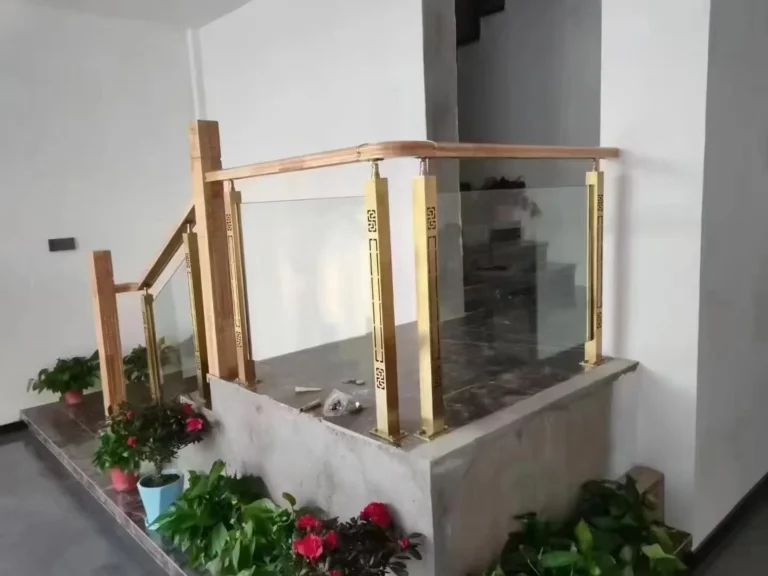
The BP-BK01 black PVD square post and BP-GD01 gold PVD post illustrate two decorative directions. For a real order, confirm the substrate grade, preparation, approved finish sample, visible faces and acceptable batch variation.
8. Number of unique post configurations
One hundred identical intermediate posts are not equivalent to one hundred posts divided among ends, corners, left- and right-hand stairs, landings and transitions. Each unique configuration needs drawing control, setup, inspection and identification.
Reduce avoidable variety during design, but do not force different positions into a universal part if that creates unsafe site modification. A post schedule should show quantity by type and connect every type to an elevation.
9. Order quantity and production repetition
Quantity affects how drawing, programming, jigs, samples and setup are distributed across the order. Small custom batches carry the same need for technical review but have fewer pieces over which to spread that work. Larger repeated batches may improve manufacturing efficiency, provided the design is stable.
Ask for transparent quantity breaks when future phases are realistic. Do not combine speculative quantities with the firm order unless the quotation clearly distinguishes them.
10. Tolerances, samples and inspection
Tolerances should reflect installation needs. Requiring every non-critical dimension to an unnecessarily tight value adds inspection and rejection risk without improving the railing. Identify the dimensions that control glass fit, handrail alignment, base connection and overall appearance.
Samples and first-article inspection add work but can prevent larger errors. Select a representative part containing the critical profile, connection, weld and finish. Record the approved sample and drawing revision.
11. Documentation and traceability
Material records, inspection reports, finish approvals, position schedules and packing lists are deliverables that require preparation and control. Specify only what the project needs, but include it in the RFQ. Requesting batch traceability after completed production may be impossible if the link was not maintained from the start.
For a practical document set, review the 2026 railing hardware procurement briefing.
12. Surface protection and export packing
Finished posts can be damaged by contact between parts, loose fittings, moisture, dirty handling or labels placed on visible surfaces. Packing should protect the finish and projecting components while allowing the receiving team to identify each group.
Define whether posts should be packed by type, floor, stair or installation zone. Provide the destination and handling constraints. Packaging that follows the site sequence can reduce sorting time even when it uses the same outer case.
The hidden cost driver: late changes
A change made before drawing approval may be manageable. The same change after material cutting, drilling, welding or finishing can require rework or replacement. Freeze the glass line, post positions, mounting detail and finish at agreed approval stages. Keep a written revision record and identify affected quantities.
RFQ checklist for a comparable quotation
- Project location, exposure and applicable requirements
- Post drawings and quantity-by-type schedule
- Stainless grade, product form and section dimensions
- Mounting, glass, infill and handrail interfaces
- Surface finish and approved-sample requirement
- Critical tolerances and inspection deliverables
- Material records or traceability requirement
- Position labels and packing sequence
- Destination, shipment basis and commercial exclusions
- Drawing, sample and production approval dates
BalusterPost produces current railing post models to approved project drawings, with SS304 and SS316L options listed across the range and dimensions confirmed for the application. Send a post schedule and drawings through the contact page to receive a quotation with project assumptions identified.
Frequently asked questions
Why can two custom railing post quotations differ so much?
They may use different grades, sections, fittings, finishes, inspection scopes or packing assumptions. Compare the written scope and exclusions, not only the unit price.
Does 316L always make a railing post more expensive than 304?
Material grade is one cost factor, but geometry, finish, machining, quantity and documentation can be equally important. Grade should be selected for the actual environment and specification.
How can buyers reduce cost without reducing quality?
Freeze the design early, reduce unnecessary post variants, specify realistic tolerances, provide complete drawings and use a representative sample. Remove ambiguity before production rather than removing required material or connection capacity.
Can a supplier quote accurately from a photograph?
A photograph can start a discussion, but an accurate quotation needs dimensions, material, connections, finish, quantities and mounting information.